

Last Updated on 6 months ago by TodayWhy Editorial
In February 2026, the Middle East erupted into open conflict when Iran launched a barrage of ballistic missiles, cruise missiles, and drones targeting the United Arab Emirates (UAE), including major hubs like Dubai and Abu Dhabi. This marked a dramatic escalation in regional tensions, with Iran directly striking a key Gulf economic powerhouse for the first time in modern history.
The attacks shocked the world: Dubai International Airport faced evacuations and minor damage, oil facilities burned, and debris from intercepted projectiles fell across residential areas. But why did Iran attack the UAE and Dubai? TodayWhy breaks down the historical context, immediate triggers, strategic motivations, and broader implications of the 2026 Iranian strikes on the UAE.
Historical Background: Long-Simmering Iran-UAE Tensions
Iran and the UAE have maintained complex relations for decades. Despite strong trade ties—bilateral commerce reached $28 billion in 2024, making the UAE Iran’s second-largest trading partner after China—the two nations have clashed over:
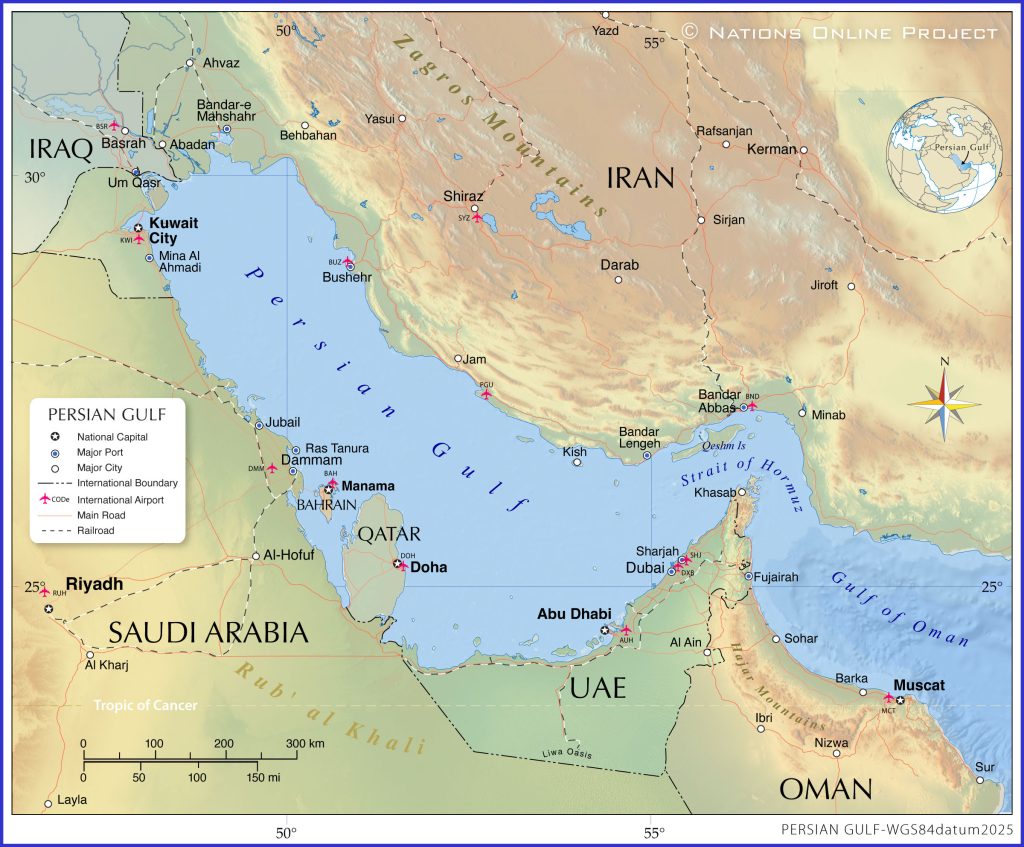
- Territorial disputes — Iran controls three strategic islands (Abu Musa, Greater Tunb, and Lesser Tunb) at the entrance to the Strait of Hormuz, which the UAE claims.
- Proxy conflicts — The UAE backed the Saudi-led coalition against Iran-supported Houthis in Yemen.
- U.S. and Israeli alliances — The UAE’s Abraham Accords normalization with Israel and its hosting of U.S. military bases (notably Al Dhafra Air Base) have long irritated Tehran.
Prior incidents, such as the 2022 Houthi drone and missile attacks on Abu Dhabi (widely seen as Iranian-backed), were proxy actions. The 2026 strikes represented a direct, state-on-state assault.
The Immediate Trigger: U.S.-Israeli Strikes on Iran
The 2026 attacks did not occur in a vacuum. In late February 2026, the United States and Israel launched coordinated strikes on Iranian leadership and military infrastructure. These operations reportedly killed Supreme Leader Ali Khamenei and aimed at regime change amid escalating tensions, protests inside Iran, and reinstated sanctions.
Iran framed its retaliation as a necessary response to foreign aggression. Tehran accused the UAE of actively supporting the U.S.-Israeli campaign—beyond merely hosting U.S. bases—by providing intelligence, logistics, or airspace access. Iranian officials claimed the UAE’s alignment with Washington made it a legitimate target, CNN reports.
Strategic Reasons: Why Iran Targeted the UAE and Dubai Specifically
Iran’s decision to strike the UAE and Dubai was calculated and multi-layered. Experts identify several core motivations:
- Punishing a Key U.S. Ally
The UAE hosts thousands of U.S. troops and serves as a critical node in America’s regional defense architecture. By attacking it, Iran sought to impose costs on Washington’s partners and deter further Gulf cooperation, The Hill reports. - Economic Disruption and Global Shock
Dubai is the Middle East’s premier financial, aviation, and tourism hub. Jebel Ali Port, Dubai International Airport (handling over 92 million passengers annually), and UAE oil infrastructure are vital to global trade. Iran aimed to rattle investor confidence, spike energy prices, and force Gulf states to pressure the U.S. and Israel for de-escalation. - Psychological and Regional Pressure
Analysts describe the strikes as an existential strategy: “If we fall, the whole region burns.” Iran hoped to drag prosperous Gulf neighbors into instability, undermine their Western alliances, and portray the conflict as a U.S.-Israeli war of choice. - Retaliation and Deterrence
Tehran viewed the UAE’s success and stability as a direct contrast to its own isolation under sanctions. Striking symbolic targets like Dubai sent a clear message: no Gulf state is untouchable.
What the Attacks Looked Like: Timeline and Targets in the UAE
From February 28, 2026, onward, Iran fired hundreds of projectiles at the UAE:
- Dubai International Airport — Multiple incidents caused smoke, evacuations, minor terminal damage, and injuries to airport staff. Flights were briefly disrupted.
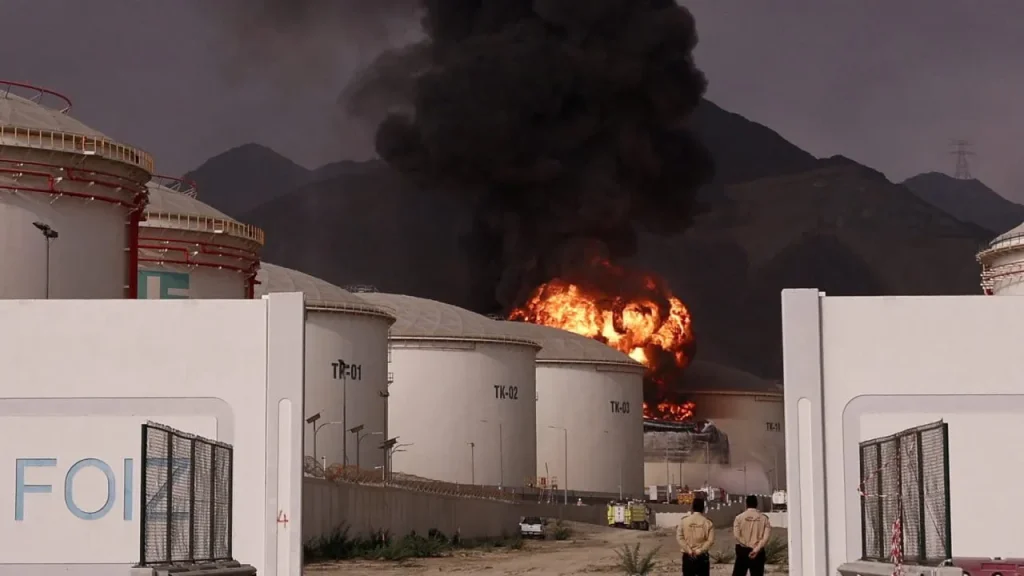
- Oil and energy facilities — Strikes hit Habshan Gas Facility, Bab oil field, and Fujairah oil port (a key bypass for the Strait of Hormuz), BBC reports.
- Abu Dhabi and other sites — Residential buildings, the Burj Al Arab (limited fire damage reported), and military-adjacent areas were affected.
- Casualties — At least 13 people killed (including civilians and military personnel) and over 100 injured across the UAE as of early April 2026.
The UAE’s advanced air defenses (including THAAD systems) intercepted the vast majority of threats—over 2,200 drones and 500+ missiles by April 7—but some penetrated, causing real damage.
UAE Response: Resilience Amid Escalation
The UAE condemned the attacks as “terrorism” and activated emergency protocols. Despite the barrage, daily life continued with remarkable normality: airports and ports stayed operational, and financial markets remained stable. Abu Dhabi emphasized it would not be drawn into direct war while strengthening defenses and calling for international support.
Global and Economic Impacts
- Energy markets — Oil prices spiked as investors feared wider disruption.
- Aviation and tourism — Dubai’s image as a safe haven was temporarily shaken.
- Regional stability — Other Gulf states (Saudi Arabia, Bahrain, etc.) also faced strikes, raising fears of a broader war.
What This Means for the Future
The 2026 Iranian strikes on the UAE and Dubai highlight a dangerous new phase in Middle East geopolitics. Iran has signaled it will not hesitate to target economic lifelines when it perceives existential threats. For the UAE, the attacks test its balancing act between Western alliances and regional pragmatism.
As the conflict evolves, the world watches whether Gulf states will push for de-escalation or deepen their partnerships with the U.S. and Israel. One thing is clear: Dubai and the UAE, once symbols of stability, are now on the front lines of a larger power struggle.
FAQ: Quick Answers on Iran’s Attack on UAE and Dubai
- Did Iran directly attack Dubai? Yes, in 2026 with missiles and drones.
- Why Dubai specifically? As a global economic symbol to maximize disruption and pressure.
- How many attacks? Hundreds of projectiles; most intercepted.
- Is the conflict over? Ongoing as of April 2026—monitor reliable news sources.
For the latest developments, consult official statements from the UAE Ministry of Defense and international outlets.