

Last Updated on 4 months ago by TodayWhy Editorial
Update, June 28, 2026: The pattern this article describes was formalized rather than resolved. On June 26, Israel and Lebanon — not Hezbollah — signed a US-brokered trilateral framework agreement in Washington, setting up two “pilot zones” in which the Lebanese army must verifiably disarm Hezbollah before Israel will redeploy out of them. It is a more detailed document than the June MOU referenced below, but it repeats the same structural gap: Hezbollah was not at the table, and its leader, Naim Qassem, immediately called the new framework “humiliating” and “null and void.” Whether the Lebanese army can actually disarm Hezbollah in the two pilot zones — something no previous ceasefire mechanism has required in this much detail — is now the test case for everything this article describes.
On April 7-8, 2026, the United States and Iran announced a dramatic two-week ceasefire, with Iran agreeing to reopen the Strait of Hormuz in exchange for a pause in US and Israeli strikes on Iranian territory. While much of the world breathed a sigh of relief at the de-escalation between Washington and Tehran, one critical front remained wide open: Lebanon.
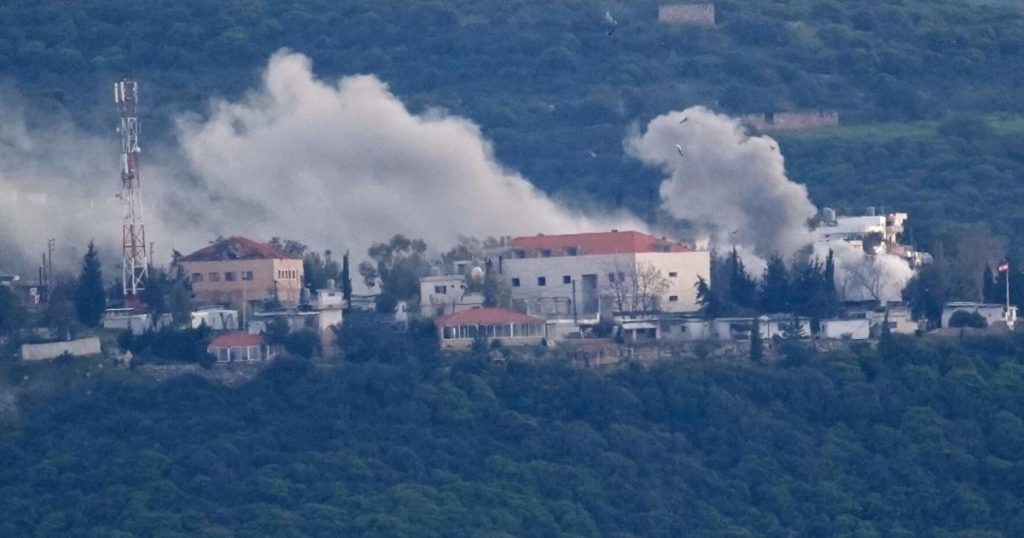
Israeli Prime Minister Benjamin Netanyahu made it crystal clear — the ceasefire does not include Lebanon or the fight against Iran-backed Hezbollah. Israeli forces have continued, and even intensified, operations in Lebanon, launching some of the heaviest airstrikes of the conflict on Beirut and southern areas. President Donald Trump reinforced this position, describing the war in Lebanon as a “separate skirmish” that must be handled because of Hezbollah.
This raises a vital question: Why is the US-Iran ceasefire deliberately kept separate from Lebanon, and why is Israel’s decision to press ahead against Hezbollah not only justified but strategically essential for long-term regional security?
The Clear Distinction: Direct Conflict vs. Proxy War
The two-week truce between the US, Israel, and Iran focuses primarily on direct hostilities: halting US/Israeli strikes inside Iran proper and ensuring safe passage through the Strait of Hormuz to stabilize global energy markets.
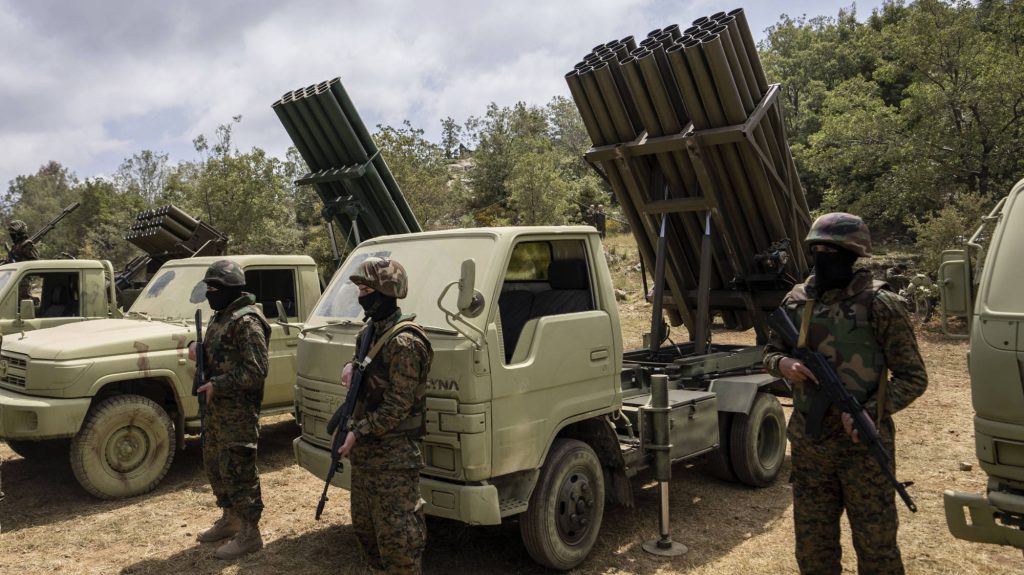
Lebanon, however, is a different battlefield entirely. Hezbollah — a heavily armed Iranian proxy militia — has been firing rockets into Israel, embedding itself among Lebanese civilians, and acting as Tehran’s forward base for attacks on the Jewish state. The ceasefire with Iran was never intended to grant immunity to this terrorist organization or force Israel to stop defending itself.
Israeli officials, backed by the US position, have consistently argued that:
- The agreement targets the state-to-state confrontation with Iran.
- Hezbollah’s aggression, rocket arsenal, and entrenchment in Lebanon represent an independent threat that must be neutralized.
- Allowing Hezbollah to regroup under the cover of a broader truce would only reward Iran’s strategy of using proxies to wage war while avoiding direct accountability.
President Trump echoed this logic, stating that Lebanon was excluded “because of Hezbollah” and that the issue “will get taken care of too.” This pragmatic separation demonstrates strong leadership: it prevents Iran from using the ceasefire as leverage to protect its most dangerous regional asset.
Why Israel Is Right to Continue Operations: Self-Defense and Strategic Necessity
From the perspective of the United States and Israel, continuing strikes against Hezbollah in Lebanon is not escalation — it is a necessary act of self-defense and a blow against Iranian regional domination.
Key reasons supporting this position:
- Hezbollah as Iran’s Primary Proxy: Hezbollah receives funding, weapons, training, and direct orders from Tehran. It has launched thousands of rockets at Israeli cities and maintains an arsenal estimated in the tens of thousands. Stopping operations now would allow this Iranian forward army to rearm and prepare for the next round of attacks.
- Civilian Shielding Tactics: Hezbollah deliberately embeds its military infrastructure in densely populated civilian areas of Beirut and southern Lebanon. Israel’s targeted operations, despite tragic collateral damage, aim to dismantle these threats while warning civilians to evacuate — a far cry from Hezbollah’s indiscriminate rocket fire.
- Preventing a Two-Front War for Israel: By weakening Hezbollah now, Israel reduces the risk of simultaneous attacks from multiple Iranian proxies (Gaza, Yemen, Iraq, and Lebanon) in the future. A strong Israel is a cornerstone of regional stability and a deterrent against further Iranian aggression.
- US Alignment: The Trump administration has coordinated closely with Israel. US officials have made clear that the Iran ceasefire does not bind Israel’s hands in Lebanon. This unity between Washington and Jerusalem sends a powerful message: America stands firmly with its ally against terrorism and Iranian expansionism.
Critics, including some mediators and Iranian officials, claim the ceasefire should have covered all fronts. However, such demands ignore reality: Iran cannot demand protection for its proxies while simultaneously attacking global shipping lanes and threatening US interests. Israel’s refusal to accept this false equivalence is both principled and wise.
Trump and Netanyahu’s Firm Stance
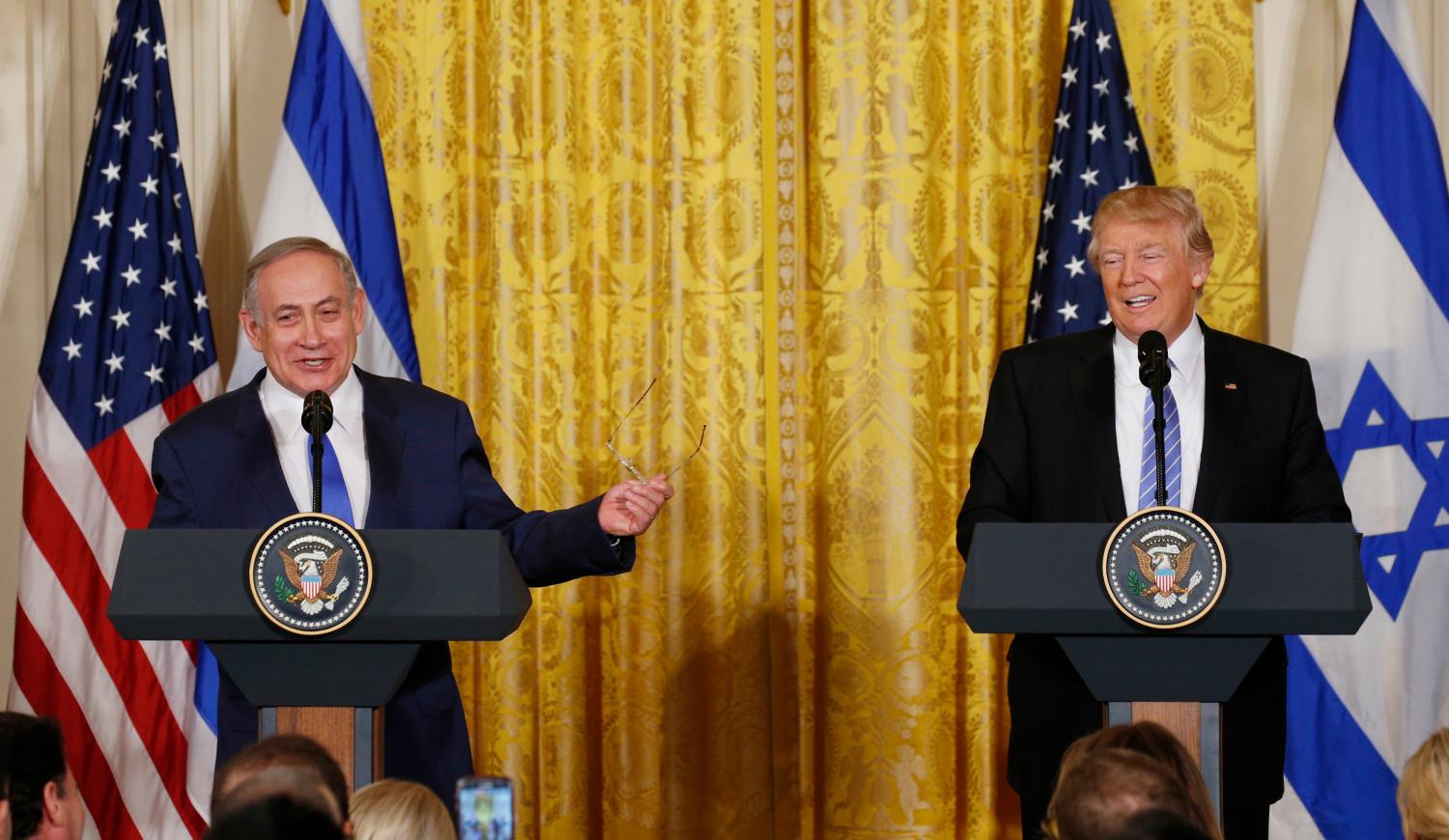
President Donald Trump deserves credit for engineering a ceasefire that protects American and global economic interests (reopening Hormuz) without forcing Israel into a dangerous concession. By keeping Lebanon separate, Trump avoided handing Iran a diplomatic victory that would have emboldened its terrorist network.
Prime Minister Benjamin Netanyahu has shown resolute leadership by prioritizing Israel’s security. His clear statement that the truce “does not include Lebanon” and the continuation of necessary military operations demonstrate that Israel will not sacrifice its survival for temporary diplomatic optics. This approach — maximum pressure on Iran combined with unrelenting defense against its proxies — has repeatedly proven effective in deterring aggression.
Together, the US-Israel partnership is sending a unified message: Direct talks with Iran are possible when Tehran shows restraint, but support for terrorist groups like Hezbollah will not be tolerated.
What This Means for the Future
The two-week window offers an opportunity for broader negotiations in Islamabad, but the Lebanon front remains a critical test. If Iran truly wants lasting de-escalation, it must rein in Hezbollah rather than demand Israel halt its legitimate self-defense.
For the United States and Israel, the strategy is clear:
- Contain direct conflict with Iran through smart diplomacy and strength.
- Dismantle Iranian proxy capabilities, starting with Hezbollah in Lebanon.
- Ensure long-term peace is built on deterrence, not appeasement.
This separation of the ceasefire from the Lebanon theater is not a flaw — it is a strength. It protects innocent lives in the long run by confronting terrorism head-on instead of papering over it with a fragile, all-encompassing truce that Iran would inevitably exploit.
As operations continue in Lebanon and talks begin in Pakistan, the US and Israel’s firm, principled position offers the best chance for genuine regional stability — one where Iran’s aggression and its proxy armies are no longer allowed to threaten peace with impunity.
Do you agree that separating the Lebanon front was the right move, or should the ceasefire have forced Israel to stop? Share your thoughts below.