

Last Updated on 4 months ago by TodayWhy Editorial
The question “Why is Israel attacking Lebanon?” has dominated global headlines since early March 2026, as the 2026 Israel-Lebanon war (also called the renewed Hezbollah-Israel conflict) escalated dramatically. Israel launched widespread airstrikes and a ground invasion of southern Lebanon following Hezbollah’s rocket and drone attacks on Israeli territory. These strikes are part of a broader regional escalation tied to the US-Israel war on Iran.
As of April 8, 2026, Israeli forces continue targeted operations across Lebanon, with plans for a long-term “security zone” south of the Litani River. This article breaks down the historical context, immediate triggers, Israel’s stated objectives, Hezbollah’s perspective, and the humanitarian and geopolitical impacts.
Update, June 28, 2026: The pattern this article describes was formalized rather than resolved. On June 26, Israel and Lebanon — not Hezbollah — signed a US-brokered trilateral framework agreement in Washington, setting up two “pilot zones” in which the Lebanese army must verifiably disarm Hezbollah before Israel will redeploy out of them. It is a more detailed document than the June MOU referenced below, but it repeats the same structural gap: Hezbollah was not at the table, and its leader, Naim Qassem, immediately called the new framework “humiliating” and “null and void.” Whether the Lebanese army can actually disarm Hezbollah in the two pilot zones — something no previous ceasefire mechanism has required in this much detail — is now the test case for everything this article describes.
Video: Terrifying attack: Israel razes Lebanon to ground – 100 targets bombed in 10 minutes
Historical Background: Decades of Tension and the 2024 Ceasefire Breakdown
The roots of the current conflict trace back to the founding of Hezbollah in 1982 as an Iranian-backed Shia militia opposing Israeli occupation of southern Lebanon. Major wars occurred in 1982, 2006, and most recently in 2023–2024.
- In October 2023, following the Hamas attacks on Israel and the Gaza war, Hezbollah began firing rockets into northern Israel in solidarity with Palestinians.
- Israel responded with a full-scale invasion of southern Lebanon in October 2024, killing Hezbollah leader Hassan Nasrallah and thousands of fighters.
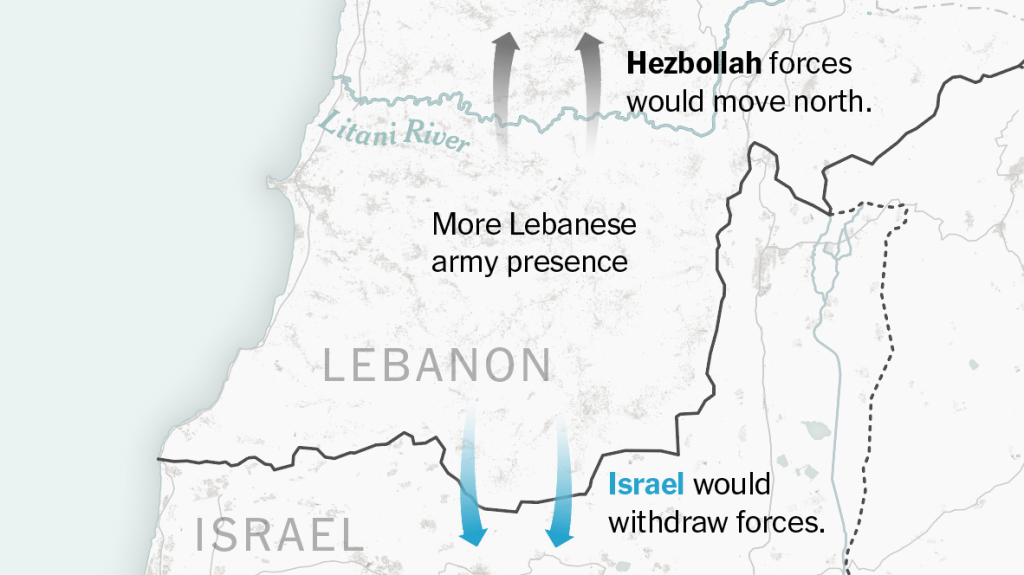
- A U.S.-brokered ceasefire took effect on November 27, 2024, requiring Hezbollah to withdraw north of the Litani River and the Lebanese army to secure the border.
However, both sides accused each other of violations. Israel conducted near-daily strikes to prevent Hezbollah rearmament, while Hezbollah rebuilt its arsenal and infrastructure. By early 2026, over 500 people had been killed in Lebanon from post-ceasefire Israeli operations.
Immediate Trigger: Hezbollah Joins the Iran War (March 2, 2026)
The spark for the 2026 escalation came directly from the US-Israel war on Iran, which began on February 28, 2026.
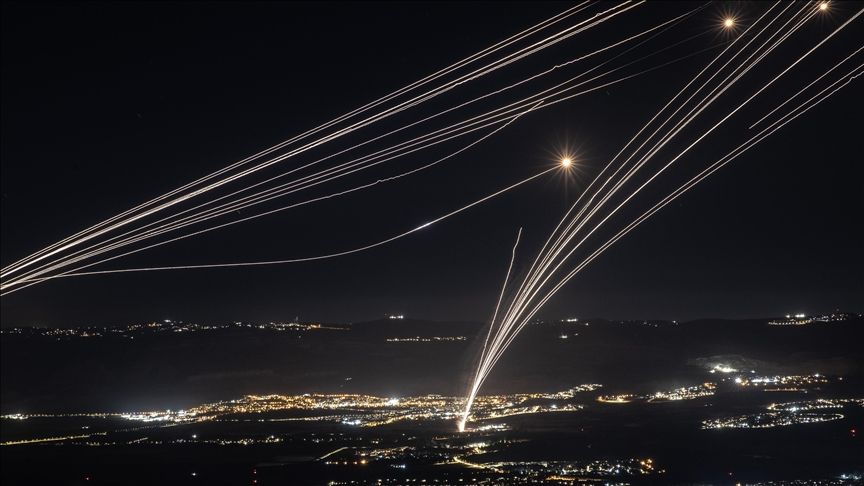
- On March 1–2, 2026, following the reported assassination of Iranian Supreme Leader Ayatollah Ali Khamenei (attributed to US-Israeli actions), Hezbollah fired rockets and drones at Israeli targets, including a military site in Haifa.
- Hezbollah described the attack as retaliation and “solidarity” with Iran, its primary backer and financier.
- This marked the first major Hezbollah attack on Israel since the 2024 ceasefire.
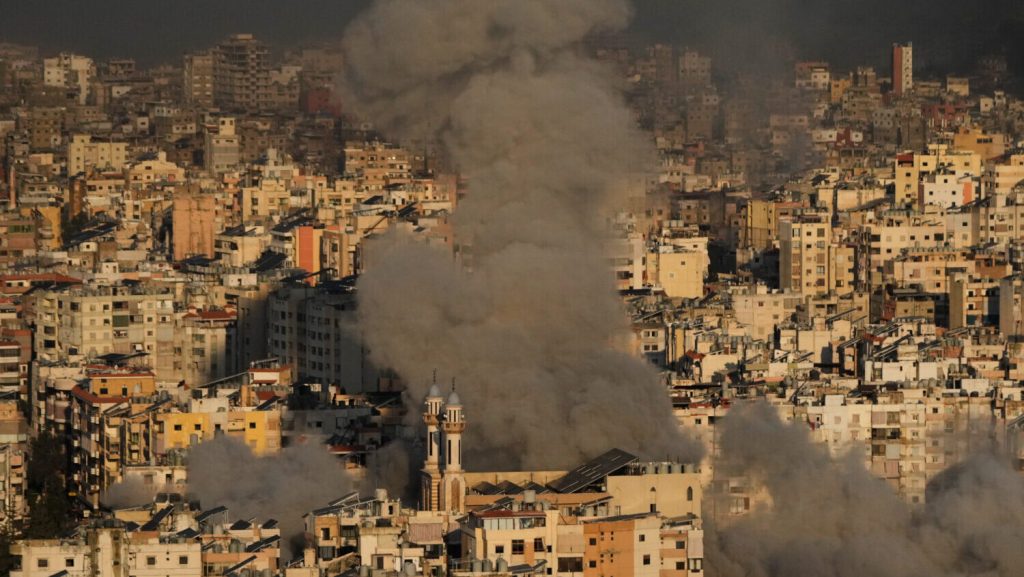
Israel immediately responded with massive airstrikes on Hezbollah strongholds in southern Lebanon, Beirut’s southern suburbs (Dahieh), the Beqaa Valley, and Baalbek. Within days, Israel expanded operations into a ground invasion, citing the need to neutralize the immediate threat.
Israel’s Official Reasons for Attacking Lebanon
Israel has been clear and consistent about its objectives. According to Israeli officials, including Prime Minister Benjamin Netanyahu, Defense Minister Israel Katz, and IDF Chief of Staff Eyal Zamir, the military campaign aims to:
- Eliminate the Hezbollah threat to northern Israel: Hezbollah’s rockets and anti-tank weapons had displaced nearly 70,000–80,000 Israelis from border communities since 2023. Israel insists it cannot allow a heavily armed Iranian proxy to remain on its border.
- Dismantle Hezbollah’s military infrastructure: Israel seeks to destroy rocket launchers, weapons depots, tunnels, and command centers embedded in civilian areas. Long-term goal: full disarmament of Hezbollah (though IDF officials now describe this as a prolonged process best achieved by the Lebanese government).
- Create a secure buffer zone: Israel plans to occupy and control territory south of the Litani River (approximately 20–30 km north of the border). Defense Minister Katz announced that Israeli forces will remain until the area is free of “terrorism and missiles.” Homes near the border are being demolished using tactics similar to those in Gaza, and displaced Lebanese residents will not be allowed to return until Israel deems the border safe.
- Prevent future attacks and enforce the 2024 ceasefire terms: Israel argues that Hezbollah’s rearmament and March 2 attack violated the ceasefire, justifying preemptive action.
Israeli leaders frame the operation as purely defensive and limited, though critics note the scale resembles a full invasion.
Hezbollah’s and Lebanon’s Perspective
Hezbollah and many Lebanese officials view Israel’s actions as aggressive expansionism:
- Hezbollah calls the conflict an “existential war” forced upon them by Israeli aggression against Iran and continued violations of Lebanese sovereignty.
- The group insists its March 2 attack was a limited retaliation and that it is now fighting a defensive guerrilla war.
- Lebanese leaders accuse Israel of collective punishment, targeting civilian infrastructure, and attempting to redraw Lebanon’s demographic map by displacing Shia communities in the south.
Lebanon’s government has condemned the strikes as a violation of sovereignty and called for international intervention. Over one million Lebanese (nearly 20% of the population) have been displaced, creating a severe humanitarian crisis.
Current Military Situation
- Israeli airstrikes continue daily across Lebanon, including Beirut suburbs and southern villages.
- Ground forces have advanced deeper into southern Lebanon, with reports of bridge demolitions isolating the region.
- Hezbollah has responded with rockets, drones, and guerrilla tactics but has suffered significant leadership losses.
- Casualties: Over 1,500 killed and thousands wounded in Lebanon; limited Israeli military and civilian deaths.
Latest news about Israel – Lebanon Conflict
Impacts of the Israel-Lebanon Conflict
Humanitarian: Massive displacement, destruction of homes, hospitals, and infrastructure. The UN and human rights groups warn of possible war crimes related to evacuation orders and civilian targeting.
Economic and Regional: Lebanon was already in crisis; the war has worsened instability. The conflict risks spreading further, though the recent US-Iran two-week ceasefire (April 7, 2026) has not yet halted fighting in Lebanon.
Geopolitical: Iran has demanded that any broader ceasefire include an end to Israeli operations in Lebanon. Analysts see Israel using the Iran war as an opportunity to decisively weaken Hezbollah.
Outlook: Will the Fighting Stop?
The April 7, 2026, US-Iran ceasefire provides a potential opening for de-escalation, but Israel has signaled it will continue operations until its security goals in Lebanon are met. Formal talks remain elusive, and the situation remains highly volatile.
Many experts warn that without a comprehensive regional deal addressing Hezbollah’s disarmament, Iranian influence, and border security, the cycle of violence could reignite even more intensely.
Conclusion
Israel is attacking Lebanon in 2026 primarily to neutralize the immediate and long-term threat posed by Hezbollah—an Iran-backed militia that launched attacks in solidarity with Tehran during the US-Israel-Iran war. Israel’s strategy combines self-defense, buffer-zone creation, and efforts to dismantle Hezbollah’s capabilities, while critics argue it amounts to a disproportionate invasion and collective punishment.
The conflict is deeply intertwined with the wider Middle East crisis. For the latest developments on the Israel-Lebanon war 2026, follow trusted sources such as Reuters, Al Jazeera, BBC, and the Times of Israel. The situation is fluid, and any diplomatic breakthrough could rapidly change the trajectory.
More stories: