
Last Updated on 5 months ago by TodayWhy Editorial
There is a line in the official trailer for Disclosure Day that lands differently in 2026 than it would have at any other moment in history: “The truth belongs to seven billion people.”
It sounds like movie marketing. It is also, depending on how you follow the news out of Washington D.C., a statement of political fact.
Steven Spielberg’s new sci-fi thriller — his first return to the extraterrestrial genre since War of the Worlds in 2005 — arrives on June 12, 2026, into a world that has spent the last several years genuinely, seriously debating whether its governments are hiding evidence of non-human intelligence. Congressional hearings. Military whistleblowers. Declassified Navy footage. A UAP Transparency Act introduced before the 119th Congress. A former president going on a podcast and saying, without irony, that aliens are “real.”
The timing of Disclosure Day is not a coincidence. It is the entire point.
The World Changed — and Hollywood Noticed
To understand why Disclosure Day feels so urgent in 2026, you need to understand how dramatically the cultural conversation around UFOs has shifted in less than a decade.
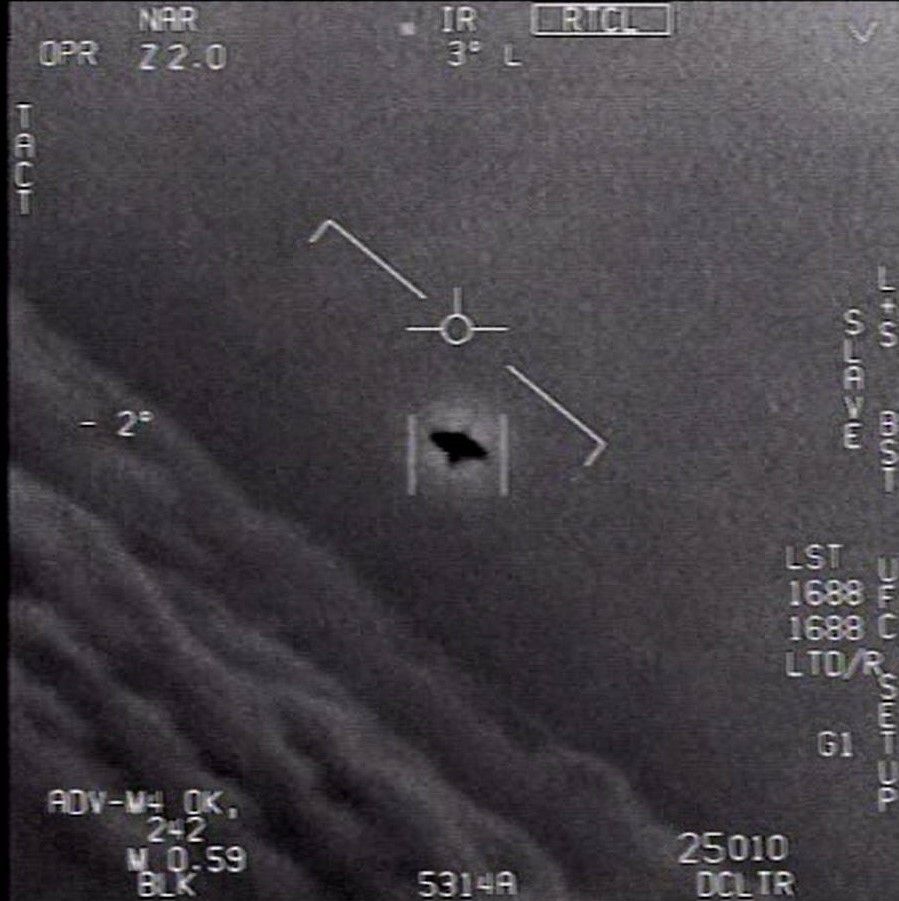
For most of the 20th century, UFOs were the domain of fringe culture — tinfoil hats, Nevada deserts, tabloid headlines. That changed permanently in December 2017, when The New York Times broke a story revealing that the Pentagon had been secretly running a program to investigate unidentified aerial phenomena. Accompanying the article was footage captured by U.S. Navy pilots on their infrared (FLIR) systems — grainy but real, officially documented, impossible to casually dismiss.
By 2025, the situation had escalated to the point where Rear Admiral Tim Gallaudet (Ret.) was testifying before the House Oversight Committee that “there is a national security need for more UAP transparency” and that the U.S. was spending over $900 billion on national defense “yet we still have an incomplete understanding of what is in our airspace.” He went further, stating that “the failure of the Executive Branch to share UAP information with Congress is an infringement on the legislative branch that undermines separation of powers and may be creating a constitutional crisis.”
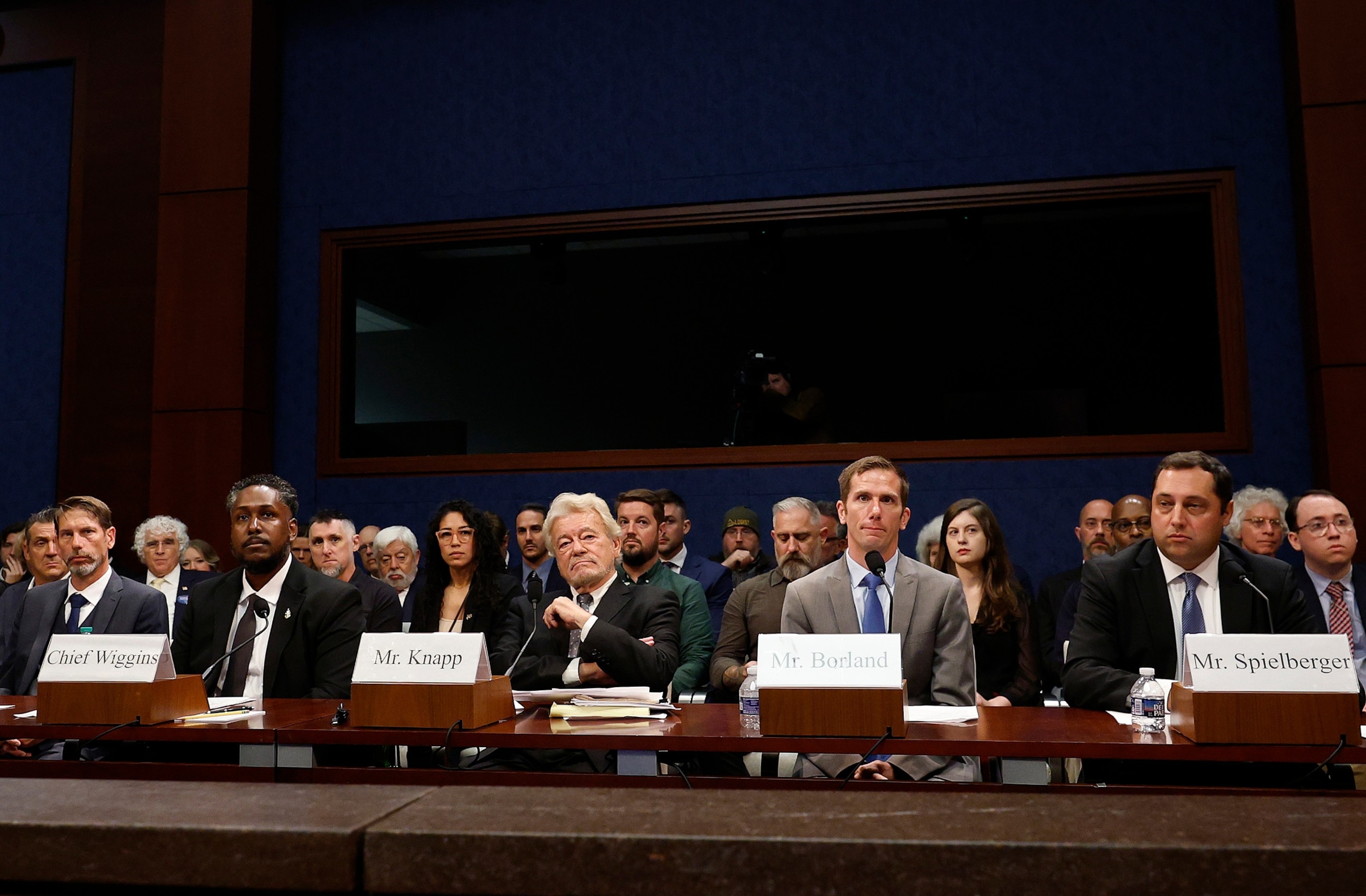
In 2025 and 2026, Congress went even further, with House Bill 1187 — the UAP Transparency Act — requiring the President to direct every federal agency to declassify all UAP-related records and publish them on publicly accessible websites. The fiscal year 2026 National Defense Authorization Act included provisions requiring the Pentagon to brief lawmakers on UAP intercepts conducted by integrated military commands since 2004.
This is the world into which Disclosure Day was born. Not a world of speculation, but one of active congressional legislation and military testimony about objects in our skies that no one can fully explain.
Spielberg Said It Plainly: “I Didn’t Need to Make Much of This Up”
What makes Disclosure Day unlike any previous alien film — including Spielberg’s own Close Encounters of the Third Kind — is the director’s startling admission about how much of it is grounded in reality.
Appearing on Michelle Obama’s “IMO” podcast in May 2026, Spielberg drew a direct and telling contrast between his 1977 classic and his new film: “There’s a lot of ‘Close Encounters’ that I made up. But there’s a lot in ‘Disclosure Day’ that I don’t really feel I needed to make up.”
He pointed specifically to the 2017 Navy pilot incidents as the backbone of the film’s premise, describing the footage captured on FLIR infrared systems as the direct inspiration for Disclosure Day’s story. Those incidents — the “Tic Tac” and “Go Fast” videos that were formally declassified and released by the Pentagon in 2020 — represent the moment when UFO discourse moved from conspiracy theory to documented government record.
Spielberg also articulated the central dramatic question his film is built around: “Our movie is about what would happen if all this information was disclosed all at the same time. How would that affect everything?” It is a question that governments, psychologists, and theologians have quietly debated for years. Spielberg is simply the first filmmaker powerful enough — and brave enough — to put it on an IMAX screen.
The Political Moment: When Presidents Start Talking About Aliens
If there was a single cultural moment that crystallized just how strange and significant 2026 has become for UAP discourse, it was Barack Obama saying on a podcast that aliens are “real.”
During a speed-round portion of an interview on Brian Tyler Cohen’s podcast, Obama stated “they’re real, but I haven’t seen them,” before clarifying that aliens are “not being kept in Area 51.” The internet, predictably, erupted.
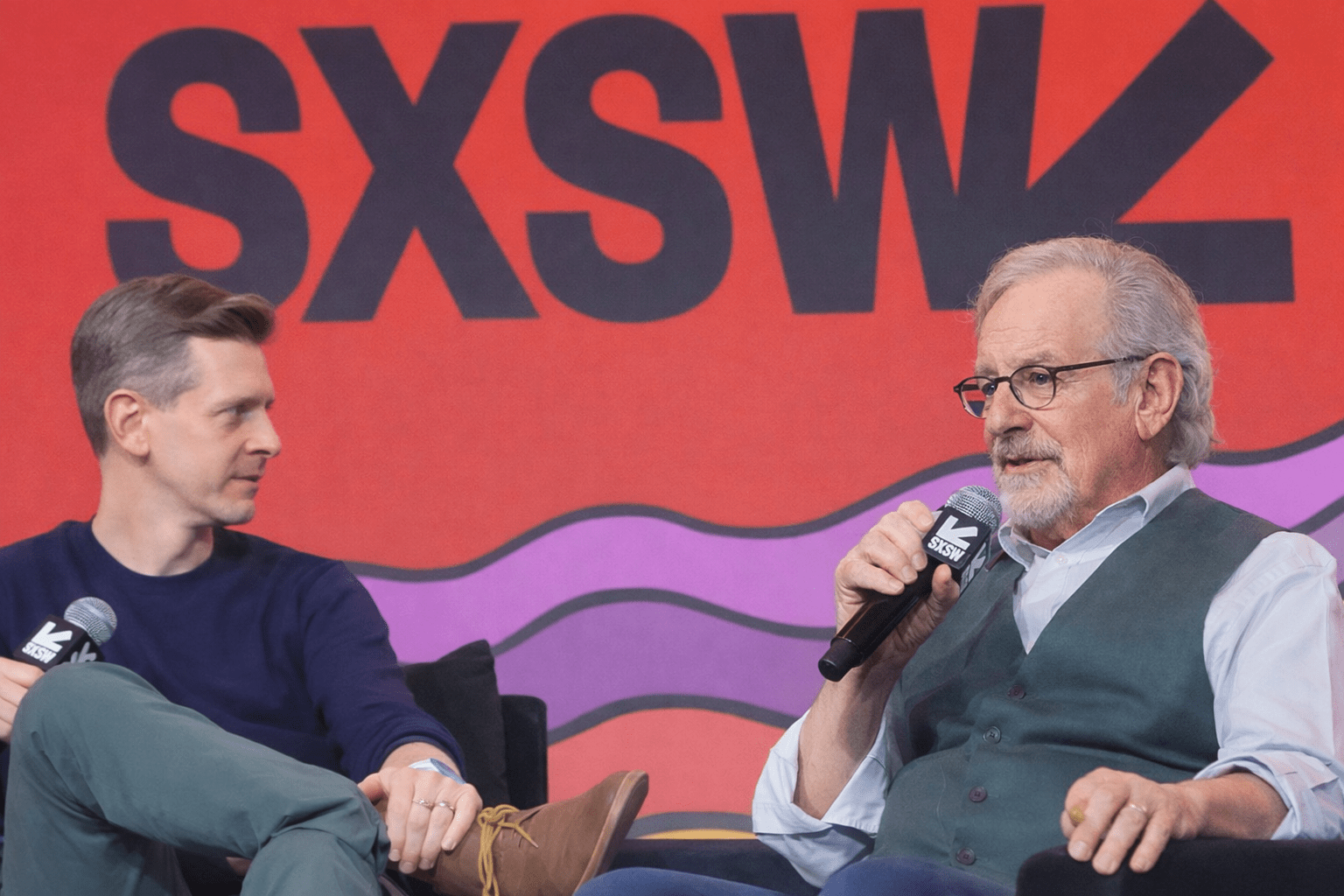
Spielberg, speaking at SXSW shortly after, was barely able to contain his excitement: “When President Obama made that comment, I thought, ‘Oh my God, this is so great for Disclosure Day. This is amazing.'”
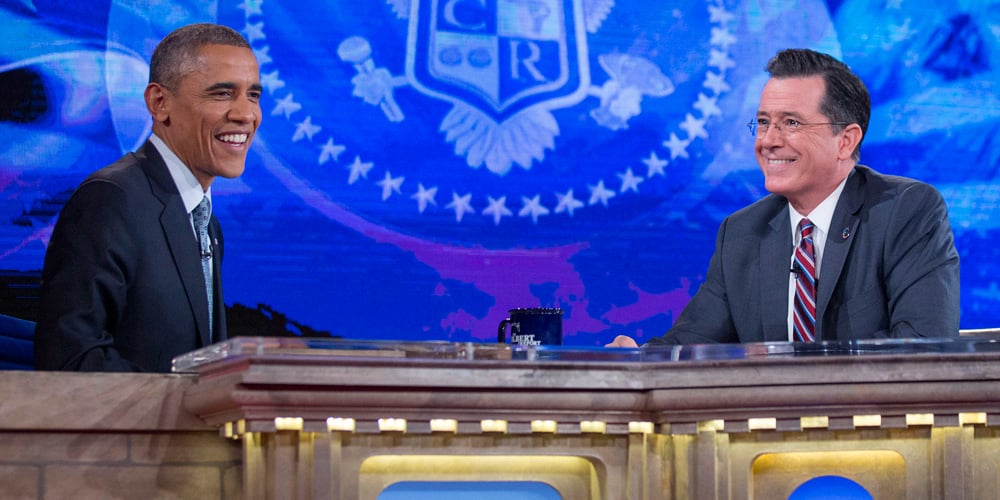
Obama later walked the statement back in an appearance on The Late Show with Stephen Colbert, insisting that the government isn’t hiding significant evidence of alien life and that first contact “hasn’t happened yet.” But the damage — or rather, the cultural ignition — was already done. A former president of the United States had used the word “real” in the same sentence as “aliens” in a public interview. That is not the world of 1977, when Close Encounters was pure imagination. That is the world of 2026, when imagination and official record have become almost indistinguishable.
The U.S. government has released declassified UAP documents and Navy pilot footage that have been impossible to fully explain away. Spielberg has openly said that this cultural and political moment directly inspired the film.
“The Truth Is Out There. And I Think the Truth Is Now Here.”
Spielberg’s most remarkable public statement about Disclosure Day came near the end of his conversation with Michelle Obama — seven words that reframe everything about the film’s intentions.
“The truth is out there,” Spielberg said. “And I think the truth is now here.”
He went even further in his personal convictions, declaring: “I think it’s mathematically and scientifically impossible that there isn’t life out there.” Not unlikely. Not improbable. Impossible that it doesn’t exist. For a filmmaker — not a physicist, not a Pentagon analyst — to make that declaration while promoting a film about government UFO cover-ups, in 2026, is a statement that deserves to be taken seriously on its own terms.
Disclosure Day arrives amid renewed government transparency efforts, congressional hearings, whistleblower testimony, military UAP footage releases, and increasing pressure for full disclosure from both lawmakers and the public. Unlike Close Encounters, which framed contact with awe and mystery, Disclosure Day appears positioned inside a world already emotionally preparing for the possibility that “we are not alone.” That distinction is critical.
Why 2026 — and Not Any Other Year
The question of timing is everything. Spielberg has been making movies for over 50 years. He could have returned to the alien genre at any point in the last two decades. He chose now.
Disclosure Day launches into a landscape where U.S. government acknowledgment of UAP has shifted from fringe conspiracy to official policy. Congressional hearings in recent years have entertained credible military testimonies about unexplained aerial objects. Spielberg’s decision to dramatize alien existence during this genuine moment of institutional reckoning could amplify or deflate public curiosity — depending on the film’s emotional impact.
The timing of the film’s release, paired with renewed official document disclosures in Washington, has intensified speculation that popular culture is now shaping — and being shaped by — state-level transparency about unidentified aerial phenomena.
What Spielberg has done, deliberately or instinctively, is produce the defining cultural artifact of a specific historical moment: the moment when humanity’s long-held question “are we alone?” stopped being a philosophical abstraction and started being a legislative agenda item.
Disclosure Day is not just a film about aliens. It is a film about what happens when a society that has been kept in the dark for 70 years finally gets the lights turned on — all at once.
That is why it is releasing in 2026. Because 2026 is the first year that question feels genuinely, frighteningly, exhilaratingly real.