
Last Updated on 2 months ago by TodayWhy Editorial
On 1 August 2026, the US State Department did something it does rarely: it singled out one city inside a country for its own separate risk rating. Ceuta went to Level 3 — Reconsider Travel. The rest of Spain stayed at Level 2.
If you have a trip to Spain booked, or you are just trying to work out what these advisory levels actually mean, here is the precise picture — what changed, what did not, and how it compares with what other governments are telling their own citizens.
What actually changed on 1 August
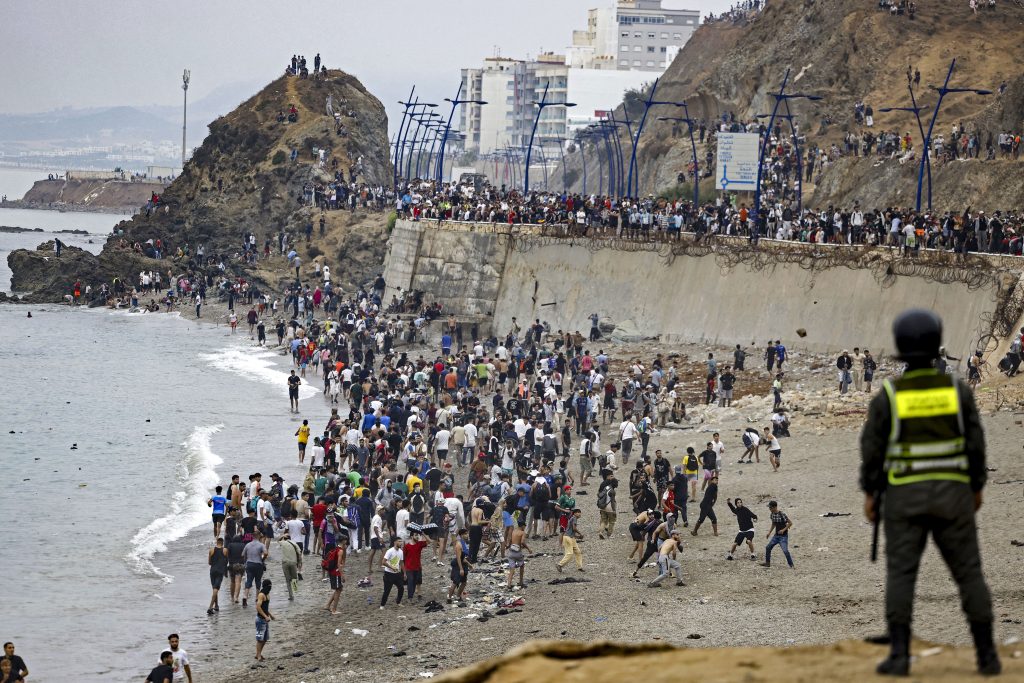
The State Department’s own release is specific about the scope. It updated the Travel Advisory for Spain to raise Ceuta specifically to Level 3 due to unrest, citing the “massive and uncontrolled arrival of migrants from Morocco to Ceuta” and the risk that it “may lead to unpredictable and dangerous security situations.”
The advisory also notes, as supporting context rather than the risk itself, that Spain has deployed the Spanish military, National Police and Guardia Civil in response.
Critically, the overall advisory for Spain did not move. It remains Level 2 — Exercise Increased Caution, the same rating it has carried since May 2025, citing terrorism and general unrest. This is a Ceuta-specific risk indicator layered on top of the national rating, not a change to how the State Department views Spain as a whole.
The update followed a Security Alert the US Embassy in Madrid had already issued on 31 July, warning that arrivals of thousands of people into Ceuta and hundreds into Melilla in the prior 24 hours could produce unpredictable and dangerous situations.
What Level 3 actually means
The State Department rates every country and, where warranted, specific regions within them, on a four-level scale. Understanding where Level 3 sits on that scale matters more than the label itself.
- Level 1 — Exercise Normal Precautions. The baseline. Ordinary travel-safety awareness.
- Level 2 — Exercise Increased Caution. Elevated risk from crime, terrorism, civil unrest or similar factors. This is Spain’s overall current rating.
- Level 3 — Reconsider Travel. Serious risks to safety and security. The State Department is not telling Americans to cancel plans outright, but to weigh whether the trip is necessary and to take real precautions if they go. This is Ceuta’s new rating.
- Level 4 — Do Not Travel. The highest level, reserved for war zones, active insurgencies and similar life-threatening conditions. Ceuta has not been placed here.
So Level 3 sits one step below the most serious category the government issues. It is a real escalation — but it is also worth being precise about what it is not.
Why only Ceuta, and not all of Spain
Region-specific advisories are a standard tool, not a novelty invented for this particular crisis. The State Department routinely rates individual cities, provinces or border areas differently from the countries that contain them, when a risk is genuinely localised.
That is the logic here. The security situation driving this advisory — mass irregular crossings, a strained local police and military presence, the physical installation of new barriers — is concentrated at and around the Ceuta border. It does not describe conditions in Madrid, Barcelona or the Spanish mainland generally, which is why the national rating was left untouched.
How this compares with other governments
This is the part worth checking carefully, because advisories move independently and the picture is a genuine patchwork as of early August 2026.
| Government | Status specific to Ceuta |
|---|---|
| United States | Level 3 — Reconsider Travel (from 1 August 2026) |
| United Kingdom (FCDO) | No Ceuta-specific change as of its most recent Spain update; general advice remained focused on unrelated risks (wildfires inland) |
| Canada | No Ceuta-specific update; general advice for Spain unchanged, citing terrorism risk |
| Australia (Smartraveller) | No Ceuta-specific update; standard “exercise normal safety precautions” remained in place |
In other words, the United States moved first and most specifically. That is not unusual — different governments weigh the same events differently, and advisories for the same country routinely diverge. If you hold a passport from the UK, Canada or Australia, do not assume your government’s advice mirrors Washington’s. Check your own country’s official advisory directly, since these positions can and do change quickly.
What this means if you have a trip booked
A Level 3 rating is a prompt to think carefully, not an automatic reason to cancel. Some practical points:
If your trip involves mainland Spain only — Madrid, Barcelona, the Balearics, the Costa del Sol — this advisory does not apply to you. Spain’s national rating has not changed.
If your itinerary includes Ceuta itself, the sensible response is to reassess rather than panic. Ceuta remains a functioning city; the risk described is unrest and unpredictability around the border area specifically, not a citywide breakdown of order.
Travel insurance can be affected by advisory levels in some policies, particularly those with “cancel for any reason” or government-advisory-linked clauses. Check your specific policy wording rather than assuming coverage either way.
US citizens travelling to Spain can enrol in the State Department’s Smart Traveler Enrollment Program (STEP) to receive real-time alerts and make it easier for the embassy to reach them in an emergency.
Standard advice for elevated-risk areas applies: avoid demonstrations and crowds, keep your phone charged, know the location of your embassy or consulate, and monitor local news for the latest situation rather than relying on a single snapshot.
Why “unrest” is the specific term used
The advisory’s language is precise, and the word choice is not incidental. “Unrest” — not “conflict,” not “terrorism” specifically for this update — reflects that the risk described is crowd dynamics, unpredictable security responses and general instability around a fast-moving migration event, not a targeted terrorist threat or an armed confrontation.
That distinction is why the advisory sits at Level 3 rather than Level 4: the State Department’s own framework reserves the top tier for the most severe and sustained threats to life, which this situation, as described in the advisory text, does not meet.
Will this advisory be lifted?
Travel advisories are reviewed and updated as conditions change; they are not fixed for a set period. If the situation in Ceuta stabilises — crossings slow, security deployments scale back, normal city functions resume — a downgrade back to Level 2 or the removal of the Ceuta-specific note would be the expected next step, though the State Department does not publish a fixed timetable for that.
For the broader story behind why this advisory exists, see our reporting on why people are fleeing Morocco into Ceuta. If you are unfamiliar with the territory itself, we have a separate guide to what Ceuta is and where it sits.
Frequently asked questions
Is it safe to travel to Ceuta right now?
The US State Department currently advises reconsidering travel to Ceuta specifically, due to unrest linked to the migration crisis. It has not advised against all travel to Ceuta, and the rest of Spain remains at a lower advisory level.
Does the Ceuta advisory apply to the rest of Spain?
No. Spain’s overall advisory remains Level 2 — Exercise Increased Caution, unchanged since May 2025. Only Ceuta carries the elevated Level 3 rating.
What is the difference between Level 3 and Level 4?
Level 3 (Reconsider Travel) asks travellers to weigh serious risks and take precautions. Level 4 (Do Not Travel) is reserved for the most severe threats, such as active conflict zones, and is the highest rating the State Department issues. Ceuta is at Level 3, not Level 4.
Have other countries issued similar warnings?
As of early August 2026, the UK, Canada and Australia had not issued Ceuta-specific advisories, though their general Spain advice continues to note other risks such as terrorism. Advisory positions can change quickly, so check your own government’s current guidance directly.
Where can I check the current official advisory?
The US State Department publishes and updates its advisories at travel.state.gov, which reflects the current, official rating rather than a snapshot in time.
Should I cancel a trip to Ceuta?
That is a personal risk decision the advisory itself does not make for you. It asks travellers to reconsider, not to cancel automatically. Monitoring the latest situation and your own risk tolerance are the relevant factors, not the existence of the advisory alone.