

Last Updated on 6 months ago by TodayWhy Editorial
Cuba cigars have long held legendary status among aficionados, often hailed as the pinnacle of premium hand-rolled cigars. Brands like Cohiba, Montecristo, Partagás, and Romeo y Julieta dominate global conversations about luxury tobacco. But what sets Cuba cigars apart? Why does this small Caribbean island consistently produce some of the finest cigars on Earth?
The answer lies in a perfect storm of unique terroir, centuries-old craftsmanship, traditional methods, and a commitment to purity. From the mineral-rich soils of Pinar del Río to the skilled hands of expert torcedores (cigar rollers), Cuba’s cigar-making tradition creates an unmatched smoking experience that’s difficult — if not impossible — to replicate elsewhere.
The Magic of Cuban Terroir: Soil, Climate, and Geography
At the heart of every great Cuba cigar is the tobacco itself. Cuba’s natural conditions provide an ideal environment for growing premium cigar leaves.
- Vuelta Abajo Region in Pinar del Río: This western province is widely regarded as the world’s premier tobacco-growing area. The Vuelta Abajo sub-region, especially around towns like San Luis and San Juan y Martínez, produces the highest-quality leaves for wrappers, fillers, and binders.
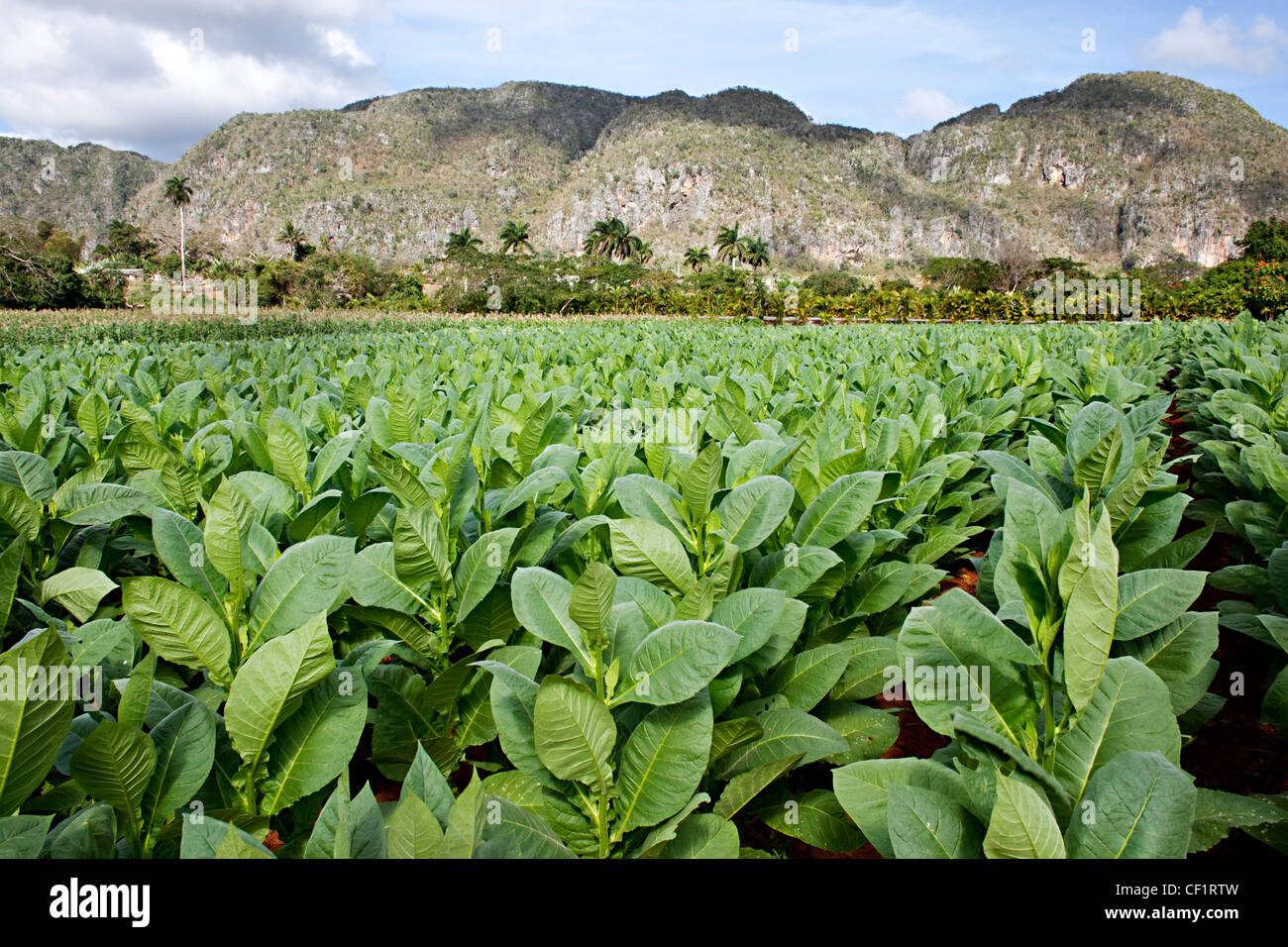
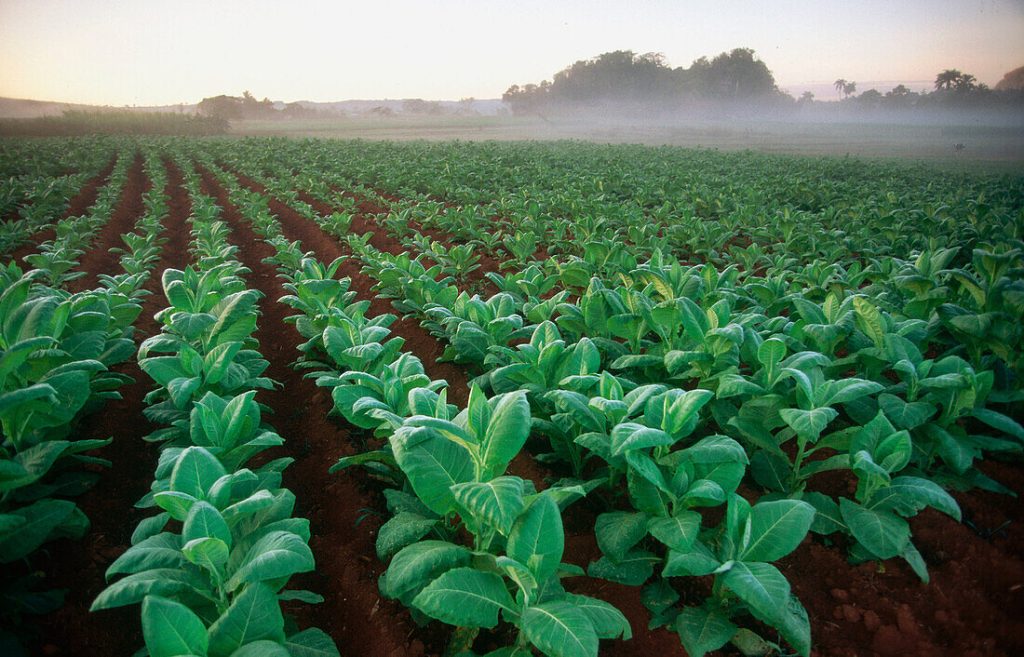
The soil here is uniquely fertile: red, mineral-rich earth packed with iron, calcium, magnesium, and other elements. Iron contributes depth and aroma, while calcium adds smoothness and subtle sweetness. Combined with Cuba’s tropical climate — warm temperatures, high humidity, consistent rainfall, and a distinct wet-dry season — these factors create tobacco with exceptional complexity, balance, and flavor intensity.
Unlike many other countries that blend tobaccos from multiple regions, authentic Cuba cigars are puros — made entirely from Cuban-grown tobacco. This purity results in a signature “Cuban” profile: rich, earthy, with notes of leather, spice, cedar, and a creamy smoothness that evolves throughout the smoke.
Centuries of Tradition and Expertise
Cuba’s cigar legacy dates back to the indigenous Taíno people, who cultivated tobacco long before Christopher Columbus arrived in 1492. By the 16th century, Cuba had established the first cigar factories (as early as 1542), and tobacco became a major export by the 1700s.
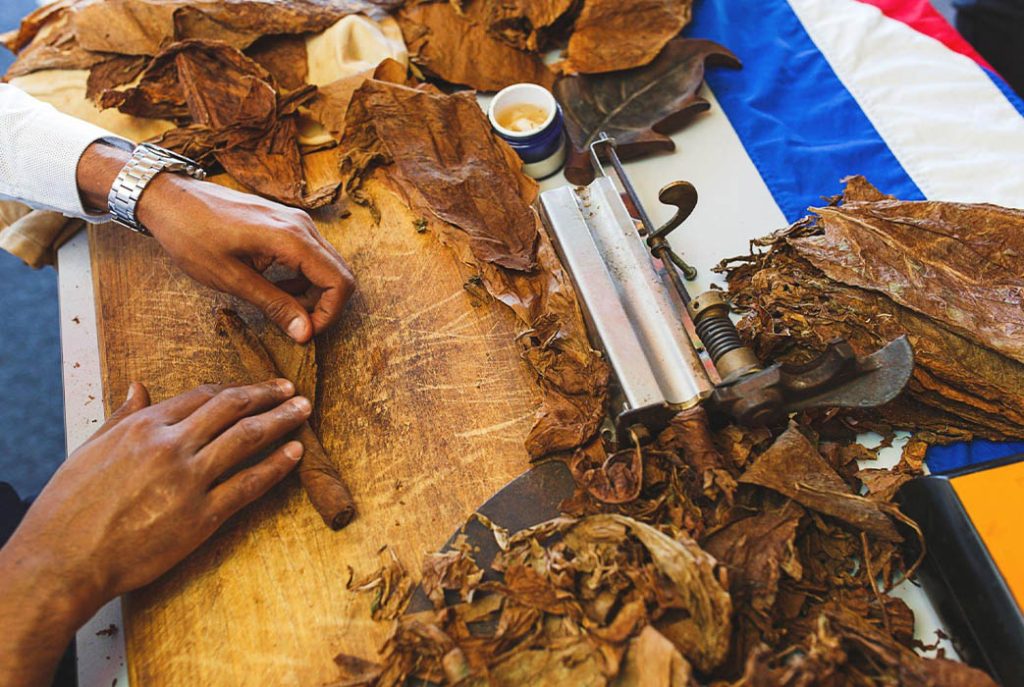
- Hand-Rolled Craftsmanship: Cuban cigars are still rolled entirely by hand by skilled torcedores. These artisans undergo years of training and can produce dozens of perfect cigars daily.
- No Additives or Blends: True Cuba cigars contain no preservatives, flavor enhancers, or non-Cuban tobacco. This commitment to natural purity allows the terroir-driven flavors to shine through without artificial interference.
- Aging and Fermentation: Leaves undergo careful curing in traditional thatched barns (casas de tabaco), followed by precise fermentation and aging processes that enhance complexity.

Iconic Brands and Signature Flavors
Cuba’s most famous brands showcase this excellence:
- Cohiba: Known for rich, creamy profiles with notes of leather and cocoa.
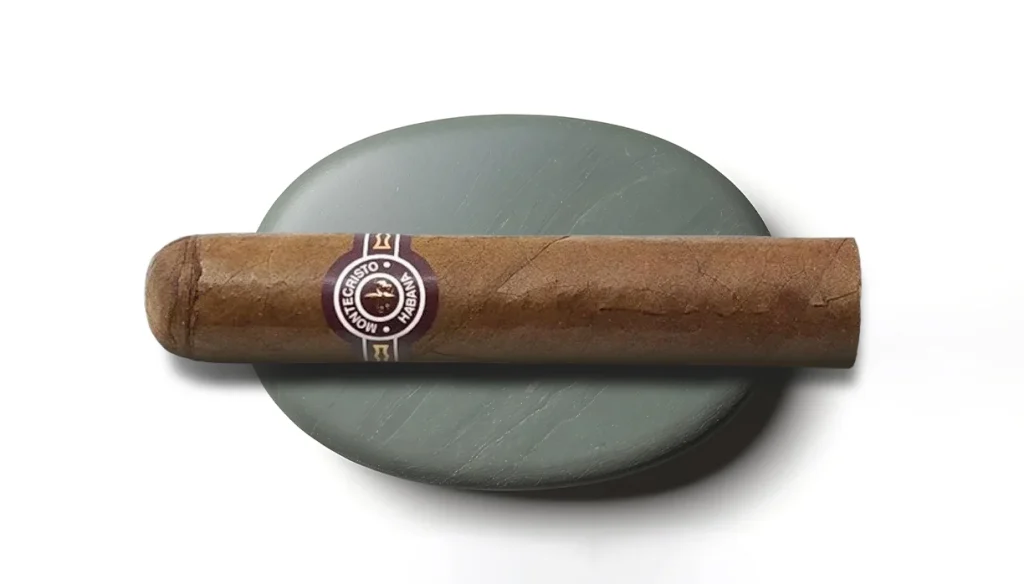
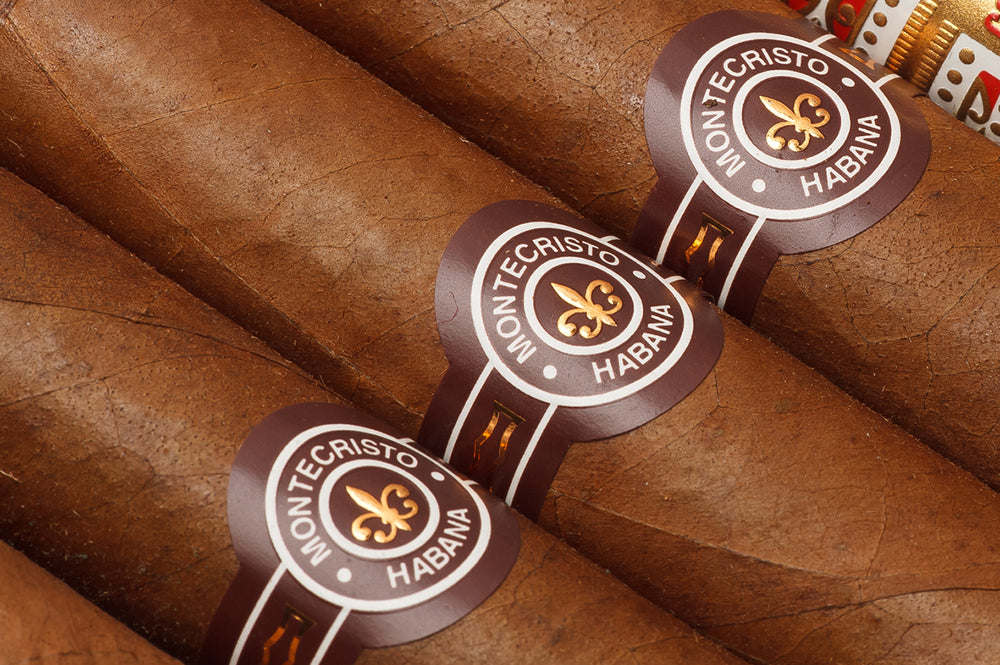
- Montecristo: Balanced and elegant, with cedar, spice, and sweetness.
- Partagás and Romeo y Julieta: Full-bodied options with earthy depth and spice.
These cigars often feature a distinctive aroma, even burn, and long finish that aficionados describe as uniquely “Cuban.”
Challenges and Enduring Prestige
While factors like economic pressures, natural disasters (e.g., hurricanes affecting harvests), and global supply issues have occasionally impacted production, Cuba’s reputation remains strong. The combination of irreplaceable terroir, generational knowledge, and strict quality standards ensures Cuba cigars stay at the top.
In a world of mass-produced options, Cuba cigars represent tradition, purity, and unmatched craftsmanship — a true luxury born from one island’s extraordinary natural gifts and human skill.
Whether you’re new to cigars or a seasoned collector, experiencing a genuine Cuba cigar offers a direct connection to centuries of excellence.
Keywords: Cuba cigars, best Cuban cigars, Cuban tobacco, Pinar del Río cigars, Cohiba Montecristo, why Cuban cigars best, Vuelta Abajo tobacco.