Why the US-Iran ceasefire not apply to Lebanon

Why the US-Iran ceasefire not apply to Lebanon

Update, June 28, 2026: The pattern this article describes was formalized rather than resolved. On June 26, Israel and Lebanon — not Hezbollah — signed a US-brokered trilateral framework agreement in Washington, setting up two “pilot zones” in which the Lebanese army must verifiably disarm Hezbollah before Israel will redeploy out of them. It is … Read more

Why did Iran and the US suddenly agree to a two-week ceasefire?

Why did Iran and the US suddenly agree to a two-week ceasefire?

On April 7, 2026, just hours before President Donald Trump’s deadline, the United States and Iran reached a dramatic two-week ceasefire agreement. Iran committed to reopening the Strait of Hormuz — the critical chokepoint through which roughly 20% of the world’s oil supply passes — while the US and Israel agreed to halt attacks on … Read more

What is the Iran Ceasefire April 2026? 5 key points of the 2-week agreement

What is the Iran Ceasefire April 2026? A Detailed Explanation

The Iran ceasefire April 2026, also known as the US-Iran two-week ceasefire or temporary Hormuz ceasefire, is a conditional 14-day truce agreement reached on April 7, 2026, between the United States (along with Israel) and Iran. Announced by President Donald Trump just hours before a self-imposed deadline, the deal pauses major military strikes in exchange … Read more

Why Iran and the US Are Fighting: Historical Roots, Nuclear Tensions, the 2026 Escalation

Why Iran and the US Are Fighting: Historical Roots, Nuclear Tensions, the 2026 Escalation. Why did the Iran War start in 2026? Causes, timeline, and key events

The question “why Iran and US are fighting” has dominated global headlines for decades. As of April 2026, the two nations are locked in direct military conflict — the 2026 Iran War — following U.S.-Israeli strikes launched on February 28 that targeted Iranian nuclear facilities, missile sites, naval bases, and leadership, including the reported killing … Read more

Why Iran Cannot Have Nuclear Weapons: A Comprehensive Analysis

Why Iran Cannot Have Nuclear Weapons: Legal, Security, and Geopolitical Barriers

Few questions have dominated global security debates more persistently than this: Why can Iran not be allowed to develop nuclear weapons? For over two decades, the international community has invested enormous diplomatic capital, economic pressure, and — ultimately — military force to prevent Tehran from crossing the nuclear threshold. The European Union declared it explicitly: … Read more

Exploring ancient Iran: The timeless legacy of Persia and its civilizations

"Immortal Guards relief – iconic symbol of the Persian Empire in Western historical accounts". Ancient Iran

Ancient Iran, often synonymous with ancient Persia, is home to one of the world’s oldest and most influential civilizations. Centered on the Iranian plateau, this region gave rise to empires that shaped global history through conquest, administration, cultural tolerance, and innovation. The most iconic era is the Achaemenid Empire (c. 550–330 BCE), founded by Cyrus … Read more

Iran nuclear program: Why Tehran persists despite sanctions and strikes

Why Iran nuclear weapon

In the heart of one of the world’s most volatile regions, Iran nuclear program continues to captivate—and alarm—the international community. As of March 2026, following devastating U.S. and Israeli airstrikes in 2025 that severely damaged key facilities at Natanz, Fordow, and Isfahan, Tehran has declared its intent to rebuild what it insists is a purely … Read more

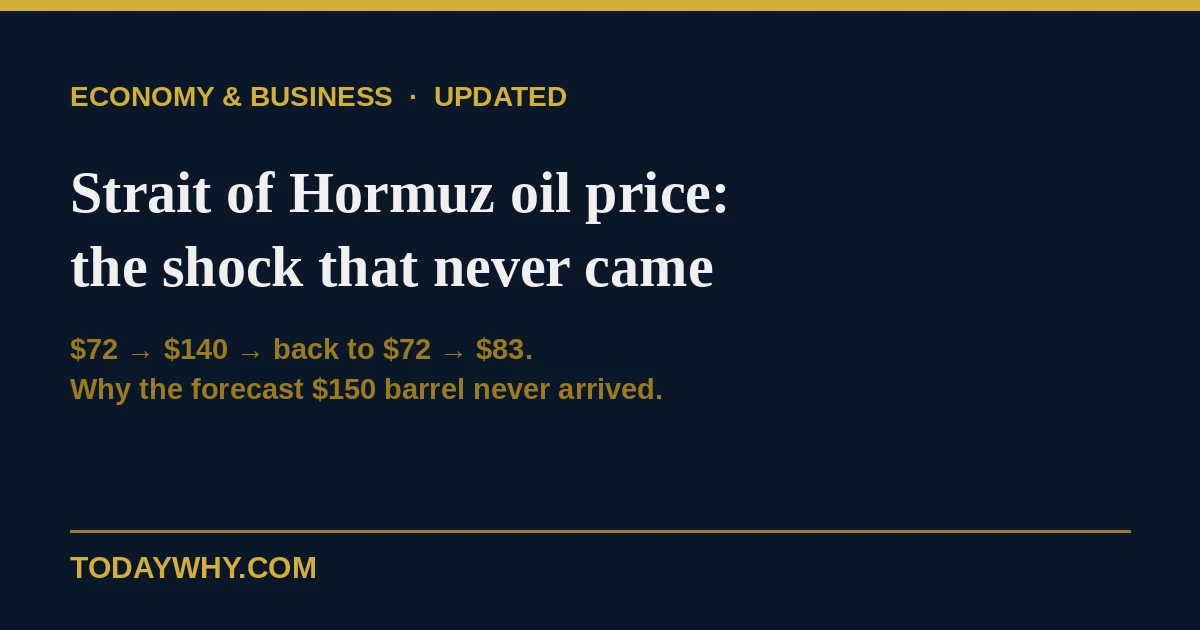
Strait of Hormuz oil price: the shock that never came (updated August 2026)

Why the Strait of Hormuz closure didn't push oil prices sky-high

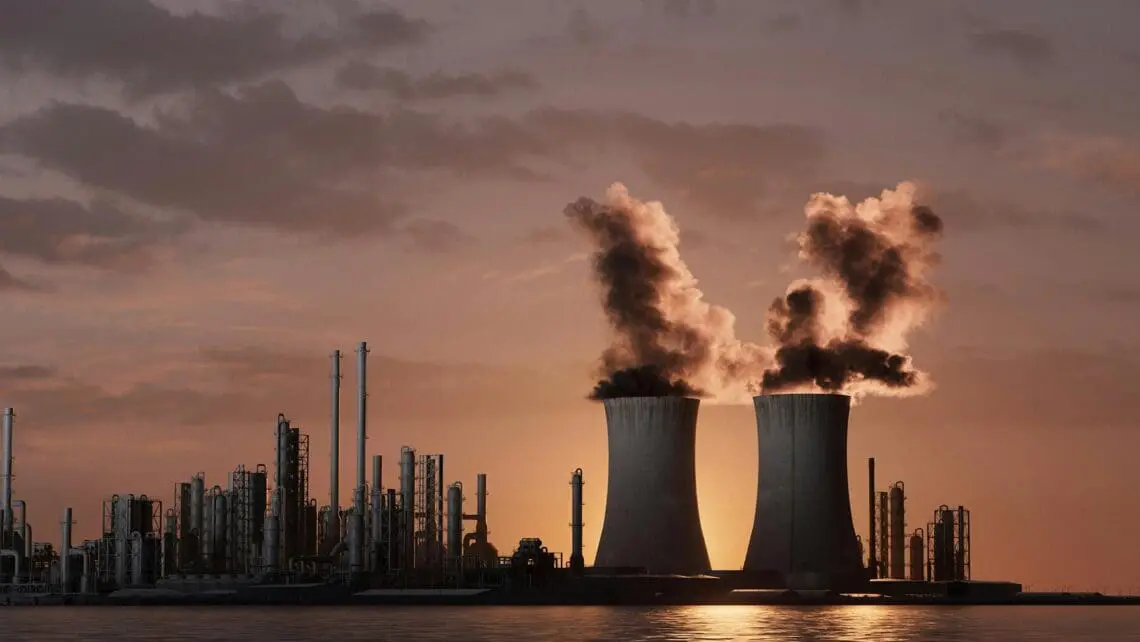
The Strait of Hormuz — the narrow waterway between Iran and Oman — carries about a fifth of the world’s seaborne oil. When Iran effectively closed it at the start of the 2026 war, the forecasts were apocalyptic. Analysts talked about $150 a barrel. Some said $200. A 1973-style oil shock, on steroids. It did … Read more

Ali Larijani assassinated: Why Iran is panic and military collapse

Why the Assassination of Iran's Top Security Chief Ali Larijani Risks Igniting a Full-Scale War in the Middle East – And What It Means for Global Oil and Security

The killing of Ali Larijani on March 17, 2026, is not just another high-profile assassination — it is a potential tipping point that could accelerate Iran’s internal demoralization and operational failure. With the regime already reeling from the death of Supreme Leader Ayatollah Ali Khamenei on the first day of the war (February 28), Larijani … Read more