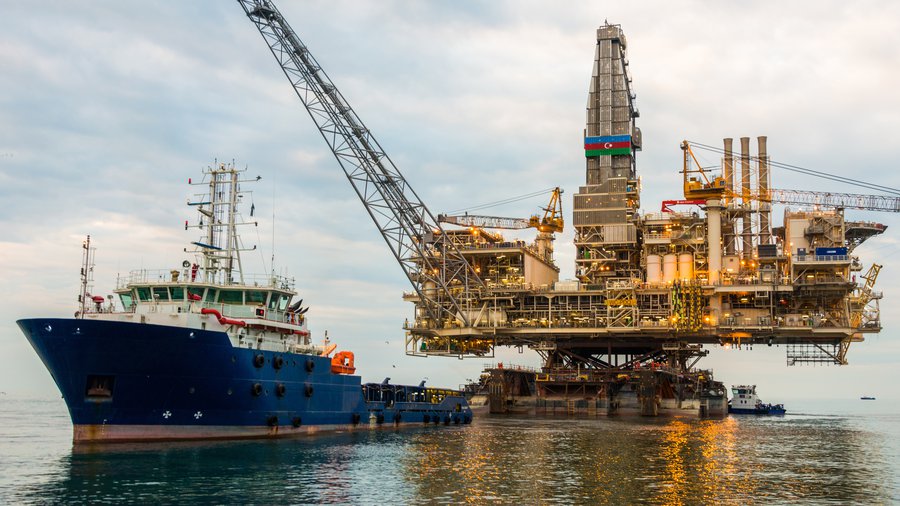
Cuba oil refers to the petroleum resources, production, and energy sector of the Republic of Cuba. While Cuba holds modest proven oil reserves and produces heavy crude oil domestically, the country remains a net oil importer heavily dependent on foreign supplies for its energy needs. In recent years, Cuba oil has become a focal point of geopolitical tension, economic challenges, and an ongoing energy crisis exacerbated by U.S. policies and shifting alliances with suppliers like Venezuela, Mexico, and Russia.
This in-depth guide explores everything about Cuba oil — from historical background and major fields to current production statistics, heavy crude characteristics, and the severe 2026 fuel shortage.

Last Update:
- March 27, 2026: A tanker carrying some 200,000 barrels of Russia-origin fuel originally bound for Cuba has arrived in Venezuelan waters, LSEG ship-monitoring data showed on Friday, Reuters reported.
- March 27, 2026: Cuban officials have petitioned Pope Leo XIV to help persuade the Trump administration to ease its oil embargo, which is causing crippling fuel shortages and blackouts, Washington Post reported.
Cuba Oil Reserves: Modest Proven Resources with Significant Untapped Potential
Cuba’s proven crude oil reserves stand at approximately 124 million barrels as of 2025, ranking the island 67th globally and representing just 0.007% of world reserves.
Most reserves consist of extra-heavy crude oil located in shallow waters and onshore fields along the northern coast. Estimates of undiscovered resources, particularly in the North Cuba Basin (Gulf of Mexico side), are far higher:
- U.S. Geological Survey (2004): Mean estimate of 4.6 billion barrels of undiscovered oil.
- Cuban government announcements (2008): Total reserves possibly exceeding 20 billion barrels, mostly offshore.
Despite this potential, deepwater exploration has yielded limited commercial success due to technological, financial, and geopolitical barriers.
Cuba Oil Production: Declining Output of Heavy Crude
Cuba produces between 24,000 and 32,000 barrels per day (bbl/d) of crude oil and other liquids in recent years (2024–2025 data). Production has been steadily declining for over a decade, down from peaks above 60,000 bbl/d in the early 2000s.
Key characteristics of Cuba oil:
- Extra-heavy crude (low API gravity, high sulfur and metals content).
- Highly viscous and corrosive — suitable mainly for power generation in aging thermoelectric plants rather than refined fuels for vehicles.
- Domestic production meets roughly 30–40% of national demand; the rest must be imported.
Major producing areas include the Heavy Crude North Coast Belt, spanning from Havana to Varadero in Matanzas province.
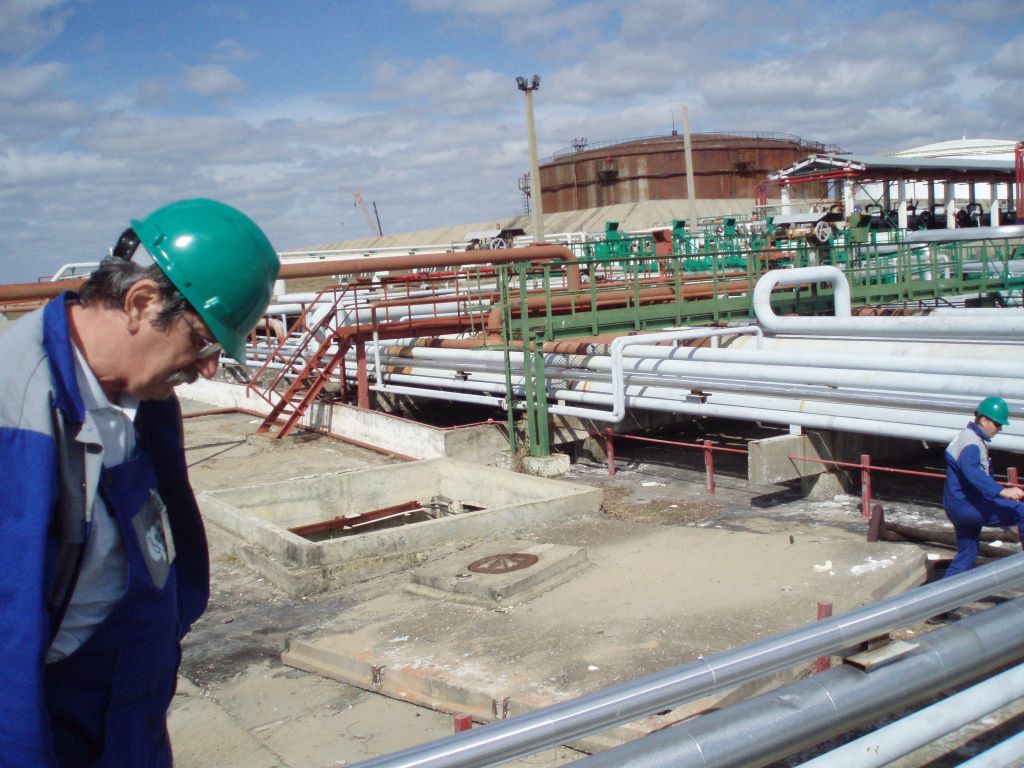
Main Oil Fields in Cuba
- Varadero Field — One of Cuba’s largest and longest-producing fields. Features horizontal drilling and enhanced oil recovery (EOR) techniques.
- Boca de Jaruco Field (Mayabeque Province) — A key heavy oil field developed since the 1960s–1970s with Soviet assistance. Now operated in partnership with Russia’s Zarubezhneft, which has drilled long horizontal wells and transitioned to full industrial exploitation in 2025.
- Other fields: Santa Cruz, Canasí, Puerto Escondido, Yumurí, and Seboruco.
Cuba’s state-owned oil company, CUPET (Cubapetróleo), manages most operations, often through joint ventures with foreign partners from Russia, Canada (Sherritt), and others.
History of the Cuba Oil Industry
Oil exploration in Cuba dates back to the early 20th century, but significant development occurred after the 1959 Revolution under Soviet influence. Production ramped up in the 1970s–1980s with Soviet technical assistance.
Post-Soviet collapse (Special Period in the 1990s) led to sharp declines. Venezuela became the primary supplier under the Petrocaribe agreement, providing subsidized oil in exchange for Cuban medical and other services.
In the 2000s–2010s, foreign companies like Repsol (Spain) explored offshore blocks with limited success. Russia has increased involvement in recent years through Zarubezhneft at Boca de Jaruco.
Cuba Oil Infrastructure and Refining
Cuba has several refineries with a combined capacity of around 123,000–150,000 bbl/d:
- Camilo Cienfuegos (Cienfuegos) — Largest, 65,000 bbl/d.
- Ñico López (Havana).
- Hermanos Díaz (Santiago de Cuba).
These facilities struggle with Cuba’s heavy crude and are often under-maintained. Much of the imported lighter crude is processed or used directly as fuel oil for electricity generation, which accounts for a large share of power production (around 70% oil-fired).

Current Energy Situation and the 2026 Cuba Oil Crisis
As of early 2026, Cuba oil and the broader energy sector face a severe crisis. The island requires roughly 100,000–120,000 barrels per day of petroleum products but produces only about 40,000 bbl/d domestically.
Key factors in the 2026 crisis:
- Disruption of Venezuelan supplies following U.S. intervention and regime change in Venezuela.
- U.S. executive actions imposing tariffs or blocking shipments from other suppliers (Mexico, Russia).
- Resulting stockpiles reportedly dropping to 15–20 days of supply at times in January–February 2026.
- Prolonged blackouts, refinery shutdowns (e.g., Camilo Cienfuegos), reduced tourism, and economic contraction.
Cuba has turned to emergency measures, including fuel rationing, decentralized energy use, and appeals for Russian shipments. Some reports indicate limited U.S. allowances for private-sector fuel imports to bypass the government.
The crisis highlights Cuba’s structural vulnerabilities: aging power plants, underinvestment, and heavy reliance on imported fuel oil for electricity.
Geopolitics of Cuba Oil
The U.S. embargo (since 1960) significantly restricts Cuba’s access to international financing, technology, and markets for its heavy crude. Cuba cannot easily export its oil for sophisticated refining abroad.
Historical alliances:
- Soviet era → Venezuela (Petrocaribe) → Recent diversification toward Mexico and Russia.
Potential future: Enhanced recovery techniques, offshore development in the Gulf of Mexico, and renewable energy transition (Cuba aims for 24% renewables by 2030).
Cuba Oil vs. Global Context
Compared to major producers, Cuba oil output is tiny. However, its strategic location in the Caribbean and proximity to the Gulf of Mexico give it regional importance. Heavy crude characteristics make it less valuable on global markets but useful for domestic power needs when processed appropriately.
Future Outlook for Cuba Oil
Experts see potential in:
- Advanced EOR and horizontal drilling at existing fields like Varadero and Boca de Jaruco.
- Offshore exploration if sanctions ease and capital arrives.
- Diversification into renewables (solar, wind, biomass) to reduce oil dependence.
However, without resolution of geopolitical tensions and investment inflows, production declines and energy shortages are likely to persist.
Video: Cuba reaches out to US as oil blockade takes toll
FAQs About Cuba Oil
How much oil does Cuba produce?
Approximately 24,000–32,000 barrels per day in 2024–2025, mostly heavy crude.
What type of oil is found in Cuba?
Extra-heavy, high-sulfur crude oil, primarily from northern coastal fields.
Does Cuba export oil?
Very little; it is a net importer and its heavy crude is difficult to refine internationally under current sanctions.
Why is Cuba facing an oil crisis in 2026?
Disrupted imports from Venezuela and Mexico due to U.S. policies, combined with limited domestic production and aging infrastructure.
Who controls Cuba’s oil industry?
State-owned CUPET, with joint ventures involving Russian, Canadian, and other foreign firms.
What are Cuba’s largest oil fields?
Varadero and Boca de Jaruco are among the most important.
Cuba oil remains a critical yet challenging component of the island’s economy and daily life. From its heavy crude fields to the current fuel shortages, the sector reflects broader issues of resource potential, technological needs, and international relations. As Cuba navigates its 2026 energy crisis, the future of Cuba oil will depend on both domestic innovation and shifts in global geopolitics.
For the latest developments, monitor production data from CUPET, USGS assessments, and international energy reports. Understanding Cuba oil provides essential insight into the Caribbean nation’s energy security and economic resilience.
More stories: