

Last Updated on 6 months ago by TodayWhy Editorial
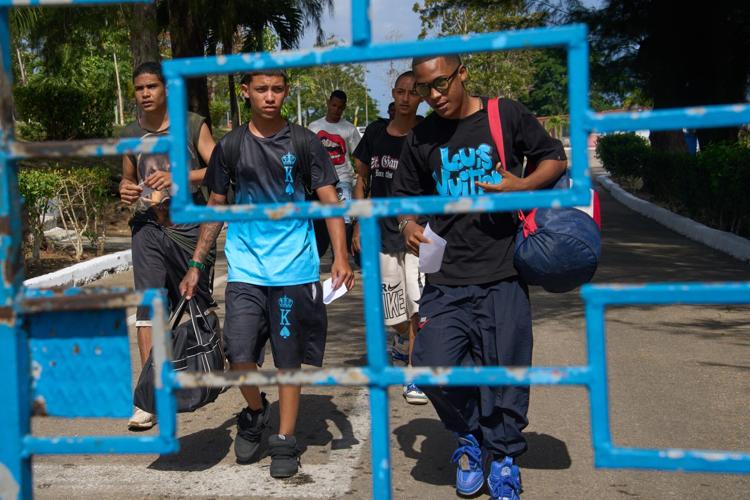
On April 2, 2026, the Cuban government announced it would pardon and release 2,010 prisoners — one of the biggest amnesties in the past 10 years, Reuters reported. Just hours later, emotional scenes unfolded outside prisons like La Lima in eastern Havana: families crying, hugging, and celebrating as loved ones walked free.
The official line from Havana? A “humanitarian and sovereign gesture” timed for Holy Week (Easter). But many observers — including the U.S. government, human rights groups, and international media — are asking the bigger question: Why now?
TodayWhy breaks down the official explanation, the hidden pressures driving the decision, who is (and isn’t) being freed, and what it means for Cuba’s future.
1. What Exactly Happened?
Cuba’s state-run newspaper Granma and the Cuban Embassy in Washington announced the pardon on April 2. Releases began the next day.
The government said the 2,010 inmates were selected based on:
- Good conduct in prison
- Having served a significant portion of their sentence
- Health conditions
- The nature of their crimes
Eligible groups included young people, women, people over 60, foreigners, and Cubans living abroad. Violent criminals were excluded, CNN reports.
This is the second major release of 2026. Combined with earlier smaller amnesties, Cuba claims it has freed thousands of prisoners since 2011 as part of a pattern of periodic pardons.
2. The Official Reason: ‘Humanitarian Gesture for Holy Week’
Cuban authorities insist the timing is purely religious and humanitarian — a tradition during Easter. They called it a “sovereign” decision with no connection to external pressure.
President Miguel Díaz-Canel’s government has repeatedly emphasized that Cuba does not make policy under foreign threats.
3. The Real Drivers: Intense U.S. Pressure and Economic Collapse
The timing is impossible to ignore.
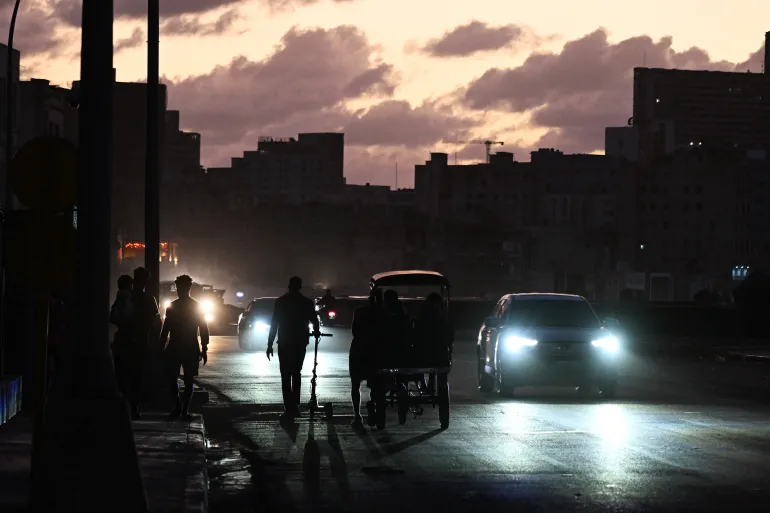
Since Donald Trump returned to the White House, the U.S. has imposed a de facto oil blockade on Cuba. Washington has threatened sanctions on any country (including Russia and Venezuela) that sends fuel to the island. The result: nationwide blackouts, hospitals running on generators, factories shut down, and widespread public frustration, BBC reports.
Just days before the announcement, the U.S. allowed a Russian oil tanker through — a small easing that many see as a signal of ongoing quiet negotiations. The prisoner release is widely viewed as a concession to keep talks alive and reduce pressure.
Cuba is in its worst economic crisis in decades. The combination of U.S. sanctions, the loss of Venezuelan oil subsidies, and internal inefficiencies has pushed the island to the brink. Releasing prisoners is a low-cost way to:
- Show “goodwill” in negotiations
- Reduce prison overcrowding and costs
- Generate positive international headlines
4. Who Was Released — And Who Was Left Behind?
Here’s the controversial part.
Human Rights Watch, Prisoners Defenders, and Justicia 11J have confirmed that no political prisoners were included in this amnesty. The pardon explicitly excluded anyone convicted of “crimes against authority” — the catch-all charge Cuba uses for dissent, protests, and online criticism.
Cuba currently holds over 1,200 political prisoners (a record high according to independent monitors). Many were arrested after the 2021 protests and remain behind bars. Families of political detainees hoped this would be their moment — but it wasn’t.

5. International Reactions
- United States: Closely monitoring whether any political prisoners are freed. The Trump administration sees the release as a possible olive branch but continues demanding systemic change.
- Human rights groups: Welcome the releases for common criminals but criticize Cuba for continuing to jail dissidents.
- Vatican and Catholic Church: The timing during Holy Week suggests quiet diplomatic involvement, similar to past negotiations.
- Cuban exiles and opposition: Mixed — relief for families but anger that political prisoners remain imprisoned.
6. What Does This Mean for the Future?
This amnesty is not just about mercy — it’s geopolitics in action.
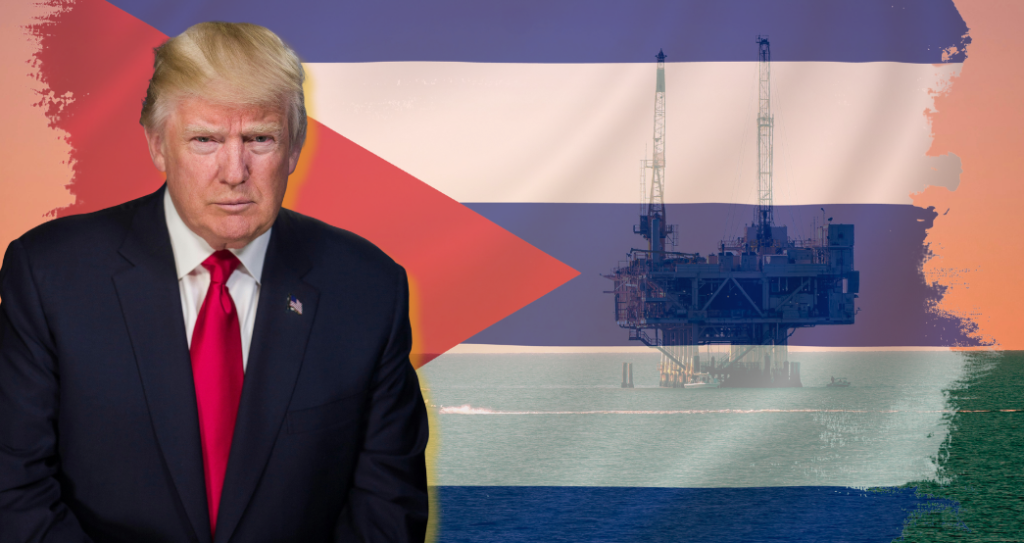
Cuba is signaling flexibility to ease the oil blockade and possibly negotiate better terms with the Trump administration. For Washington, it’s leverage: more releases (especially of political prisoners) could lead to further sanctions relief.
However, experts warn this is a short-term tactic. Without deeper economic reforms or political opening, Cuba’s crisis will continue. The island remains heavily dependent on external fuel, and the U.S. “maximum pressure” strategy shows no signs of ending soon.
Why This Story Matters
Cuba’s prisoner release is a textbook example of how economic warfare, humanitarian gestures, and backchannel diplomacy collide in 2026. It raises bigger questions:
- Can sanctions actually force regime change?
- Is Cuba using prisoner releases as bargaining chips?
- What does this mean for other countries facing similar pressure (think Venezuela or Iran)?
The “Why” is clear: Cuba is releasing 2,000 prisoners right now because it desperately needs breathing room from the U.S. oil blockade — even if it won’t admit it publicly.
What do you think? Is this a genuine humanitarian move or pure political calculation? Drop your thoughts in the comments below.
Last updated: April 11, 2026
Sources: BBC, CNN, Reuters, The New York Times, Human Rights Watch, Granma, Al Jazeera