
Last Updated on 5 months ago by TodayWhy Editorial
In a groundbreaking discovery that’s generating excitement in neuroscience and health circles, researchers at Penn State have uncovered a hidden “brain cleaning” mechanism triggered by everyday body movements. Published on April 27, 2026, in the prestigious journal Nature Neuroscience, the study reveals how contractions of your abdominal muscles can act like a hydraulic pump to help clear toxic waste from the brain.
This Penn State brain cleaning study offers fresh insight into why physical activity is so beneficial for long-term brain health and may help reduce the risk of neurodegenerative diseases like Alzheimer’s.
What Is the Penn State Brain Cleaning Study?
The research, led by Patrick Drew, professor of engineering science and mechanics, neurosurgery, biology, and biomedical engineering at Penn State, demonstrates a direct mechanical link between the body and the brain.
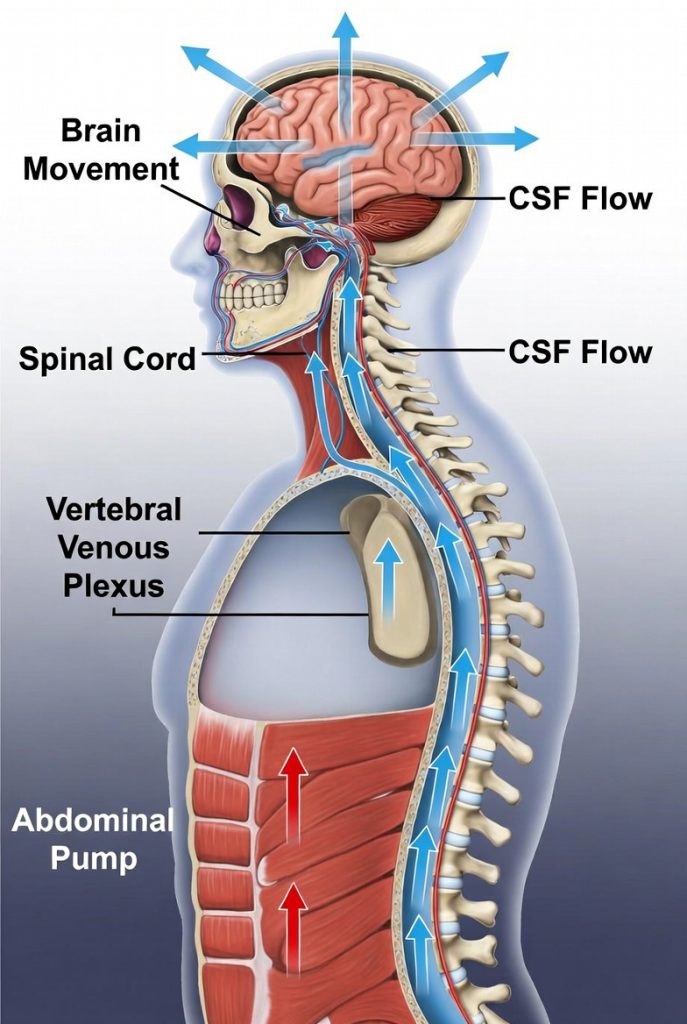
Using high-resolution imaging in awake mice and advanced computer simulations, the team found that when abdominal muscles contract — even mildly — they create pressure changes that ripple upward, causing the brain to gently sway inside the skull. This subtle movement enhances the flow of cerebrospinal fluid (CSF), which washes away metabolic waste products that accumulate during normal brain activity, according to Science Alert.
Key mechanism explained:
- Abdominal muscle contractions compress blood vessels in the abdomen.
- This pushes blood into the spinal cord’s venous plexus (a network of veins).
- The pressure travels upward, causing the brain to shift slightly.
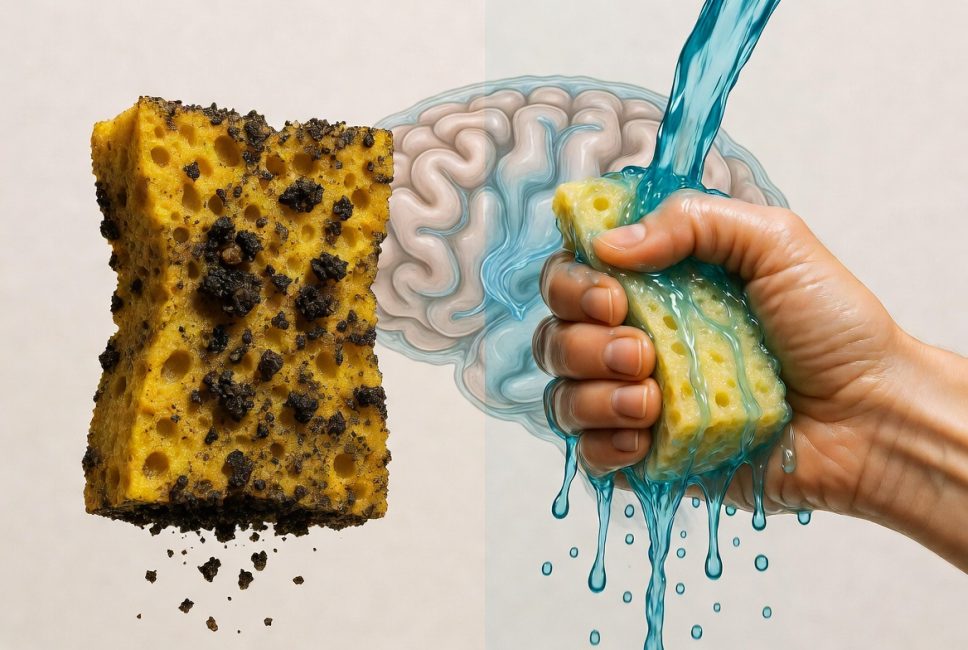
- The motion drives cerebrospinal fluid over and through the brain, flushing out waste — similar to squeezing a sponge.
The researchers described this as a hydraulic system, with the core muscles acting as the pump.
Why Brain Waste Clearance Matters
The brain produces waste proteins and metabolic byproducts throughout the day. If not properly cleared, these can build up and contribute to inflammation and diseases such as Alzheimer’s and other dementias.
For years, scientists have known about the glymphatic system, the brain’s waste-removal network that works most efficiently during deep sleep. The Penn State study adds a new daytime dimension: everyday movement provides an additional cleaning boost, complementing sleep-based clearance.
Major Findings from the Study
- Brain movement is tightly synchronized with abdominal contractions, occurring even before limb movements in some cases.
- Even light activities — such as standing up, walking, or lightly bracing your core — can trigger this effect.
- Computer simulations confirmed that these micro-movements of the brain significantly increase cerebrospinal fluid flow.
- The effect is rapid and reversible: when abdominal pressure is released, the brain returns to its baseline position quickly.
The study was conducted primarily in mice, with simulations to model fluid dynamics. While more human research is needed, the authors believe the mechanism likely applies to humans due to similar anatomy.
Practical Implications: How to Use This Discovery
This research reinforces the importance of staying active throughout the day. Here’s how you can support your brain’s natural cleaning system:
- Incorporate regular movement — Short walks, standing breaks, or household chores can provide repeated “cleaning cycles.”
- Strengthen your core — Exercises that engage abdominal muscles (planks, yoga, Pilates, or even good posture) may enhance the effect.
- Combine with quality sleep — Movement during the day + deep sleep at night creates a powerful one-two punch for brain health.
- Stay consistent — The study suggests that frequent, everyday activity may be as important as intense workouts for brain waste clearance.
Expert Quotes
“Our research explains how just moving around might serve as an important physiological mechanism promoting brain health.” — Patrick Drew, Penn State
“Keeping with the idea of the brain as a sponge… how do you clean a dirty sponge? You run it under a tap and squeeze it out.” — Francesco Costanzo, co-researcher
Future Research Directions
Scientists are now eager to explore:
- How this mechanism works in humans (using non-invasive imaging).
- Its potential role in preventing or slowing cognitive decline.
- Interactions with other factors like age, fitness level, and sleep quality.
Final Thoughts
The Penn State brain cleaning study shines a spotlight on a beautifully simple truth: your daily movements aren’t just good for your body — they’re quietly keeping your brain clean and healthy too. By understanding this hydraulic connection between your core and your brain, we gain a deeper appreciation for why an active lifestyle is one of the best investments in long-term cognitive health.
As research continues, this discovery could influence everything from exercise recommendations to new therapies for brain diseases.
Stay active. Sleep well. Keep your brain sparkling clean.