
Last Updated on 5 months ago by TodayWhy Editorial
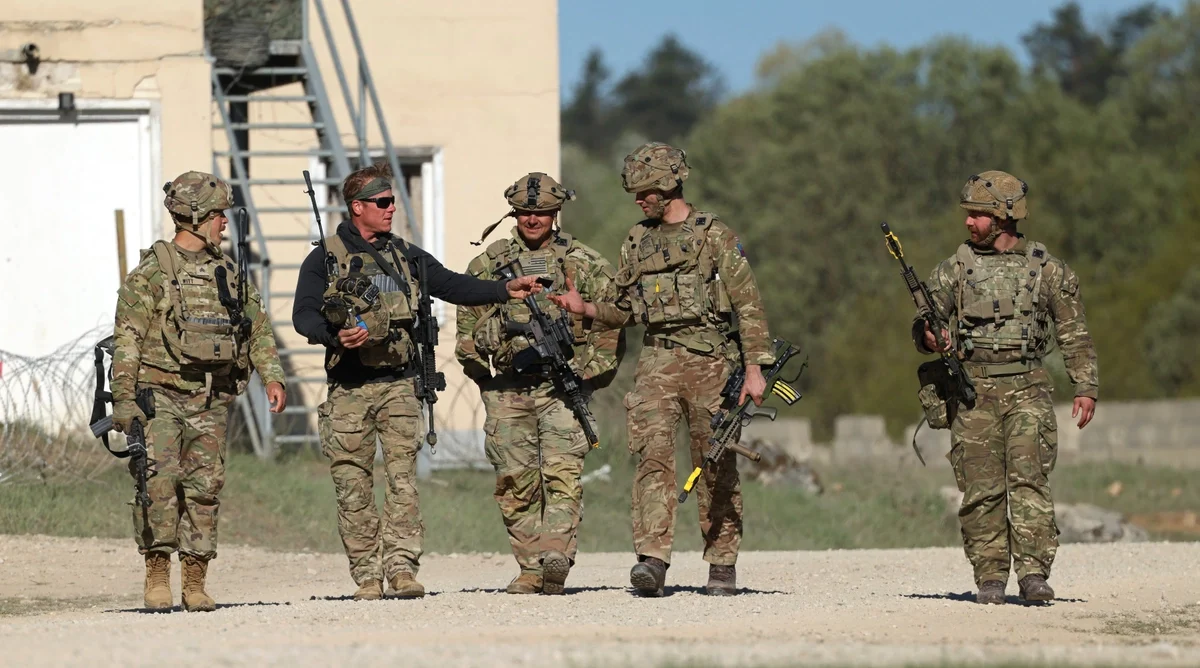
The United States announced on May 1, 2026, that it will withdraw approximately 5,000 troops from Germany over the next 6 to 12 months. This decision reduces the U.S. military presence in the country from around 36,000 to roughly 31,000–33,000 troops. While framed as part of a broader review of U.S. force posture in Europe, the move is widely seen as a direct response to escalating tensions between President Donald Trump and German Chancellor Friedrich Merz over the ongoing U.S. involvement in the Iran conflict.
TodayWhy explores the key reasons behind the withdrawal, its historical context, strategic implications, and what it means for U.S.-Europe relations and global security.
The Immediate Trigger: Tensions Over the Iran War
The withdrawal fulfills a threat made by President Trump earlier in the week. German Chancellor Friedrich Merz criticized the U.S. approach to the Iran conflict, suggesting that Iranian negotiators were “humiliating” the United States and that Washington lacked a clear exit strategy.
Trump and U.S. officials viewed these remarks as “inappropriate and unhelpful,” especially amid broader frustrations with NATO allies’ limited support for U.S. operations. Pentagon statements emphasized that the decision followed a review of theater requirements, but the timing aligns closely with the public feud.
This is not an isolated incident. Trump has long criticized European allies for insufficient defense spending and reliance on U.S. security guarantees. The Iran-related spat served as the catalyst for action in 2026.
Historical Context: Long-Standing Grievances
U.S. troops have been stationed in Germany since the end of World War II, evolving from post-war occupation to a Cold War bulwark against the Soviet Union. Germany remains home to major U.S. facilities, including:
- Ramstein Air Base — A critical hub for U.S. operations in Europe, Africa, and the Middle East.
- Headquarters for U.S. European Command (EUCOM) and Africa Command (AFRICOM).
- Training areas like Grafenwöhr and Hohenfels.
- Medical facilities, such as Landstuhl Regional Medical Center.
During his first term, Trump announced plans to withdraw around 9,500–12,000 troops from Germany, citing Germany’s failure to meet NATO’s 2% GDP defense spending target and perceived “delinquency.” That plan faced congressional resistance and was halted under the Biden administration.
The current drawdown is smaller but signals a continuation of the “America First” policy: reducing U.S. subsidies for European defense so that allies can shoulder more responsibility. The move is expected to return troop levels in Europe closer to pre-2022 figures, before Russia’s invasion of Ukraine prompted reinforcements.
Strategic and Logistical Reasons
1. Force Posture Optimization
The Pentagon describes the withdrawal as based on “theater requirements and conditions on the ground.” With shifting global priorities—including operations in the Middle East—reallocating forces may enhance flexibility.
2. Burden-Sharing and NATO Spending
Trump has repeatedly highlighted that the U.S. bears a disproportionate share of NATO’s defense burden. While Germany has increased spending (aiming for higher percentages of GDP), critics argue it remains insufficient relative to the protection provided.
3. Retaliation for Lack of Support
Beyond rhetoric on Iran, there is frustration over limited European contributions to U.S.-led initiatives, including naval support in the Strait of Hormuz and broader Middle East operations.
Potential Impacts of the Troop Withdrawal
On Germany and Europe
- Economic Effects: Thousands of U.S. troops and families contribute significantly to local economies through spending, jobs, and infrastructure.
- Security Concerns: Reduced U.S. presence could pressure Europe to accelerate its own defense capabilities, especially amid ongoing threats from Russia. Critics worry it signals weakening transatlantic unity.
- NATO Cohesion: Allies may view this as encouragement to reduce reliance on Washington, potentially leading to greater European strategic autonomy.
On the United States
- Cost Savings and Reallocation: Funds and personnel could support other priorities.
- Operational Risks: Germany’s bases are vital logistics hubs. A significant drawdown could complicate rapid response in Europe or the Middle East, though officials maintain ~31,000 troops will preserve core capabilities.
- Political Messaging: It reinforces a tough negotiating stance with allies.
Broader Geopolitical Ramifications
This decision occurs against a backdrop of U.S. focus on Indo-Pacific challenges (e.g., China) and selective engagement elsewhere. It may accelerate debates about the future of NATO and encourage countries like Germany to invest more heavily in their militaries.
Reactions and Criticisms
- Supporters see it as a pragmatic “America First” move that ends unnecessary subsidies and pushes allies to contribute fairly.
- Critics, including some U.S. lawmakers and analysts, call it shortsighted, arguing it undermines NATO deterrence, strains alliances at a sensitive time, and could embolden adversaries. Figures like Rep. Don Bacon have expressed concerns about damaging unity.
Germany has stated it is “prepared” for adjustments, while emphasizing the enduring strength of the partnership.
Conclusion: A Pivotal Shift in Transatlantic Relations?
The withdrawal of 5,000 U.S. troops from Germany reflects a mix of immediate diplomatic friction over Iran, long-term burden-sharing disputes, and strategic repositioning. While not a full-scale exit—Germany will retain a substantial U.S. presence—it underscores evolving U.S. priorities under the Trump administration.
As the drawdown unfolds over the coming year, its full effects on European security, NATO effectiveness, and U.S. global posture will become clearer. For now, it serves as a strong signal: alliances must deliver mutual benefits, or Washington is willing to recalibrate its commitments.
This situation is developing rapidly. Troop movements and diplomatic responses will shape the U.S.-Germany relationship in the months ahead.