

Last Updated on 4 months ago by TodayWhy Editorial
The Iran ceasefire April 2026, also known as the US-Iran two-week ceasefire or temporary Hormuz ceasefire, is a conditional 14-day truce agreement reached on April 7, 2026, between the United States (along with Israel) and Iran. Announced by President Donald Trump just hours before a self-imposed deadline, the deal pauses major military strikes in exchange for Iran reopening the Strait of Hormuz to safe international shipping.
This breakthrough came after more than five weeks of intense conflict in the 2026 US-Israel-Iran war, which began on February 28, 2026. The war caused significant casualties, infrastructure damage, and global economic disruption, particularly due to threats to one of the world’s most critical oil chokepoints.
Background Leading to the April 2026 Ceasefire
The conflict escalated when US and Israeli forces launched large-scale strikes on Iranian nuclear facilities, military sites, and leadership targets. Iran responded with waves of missiles and drones targeting Israel and regional allies.
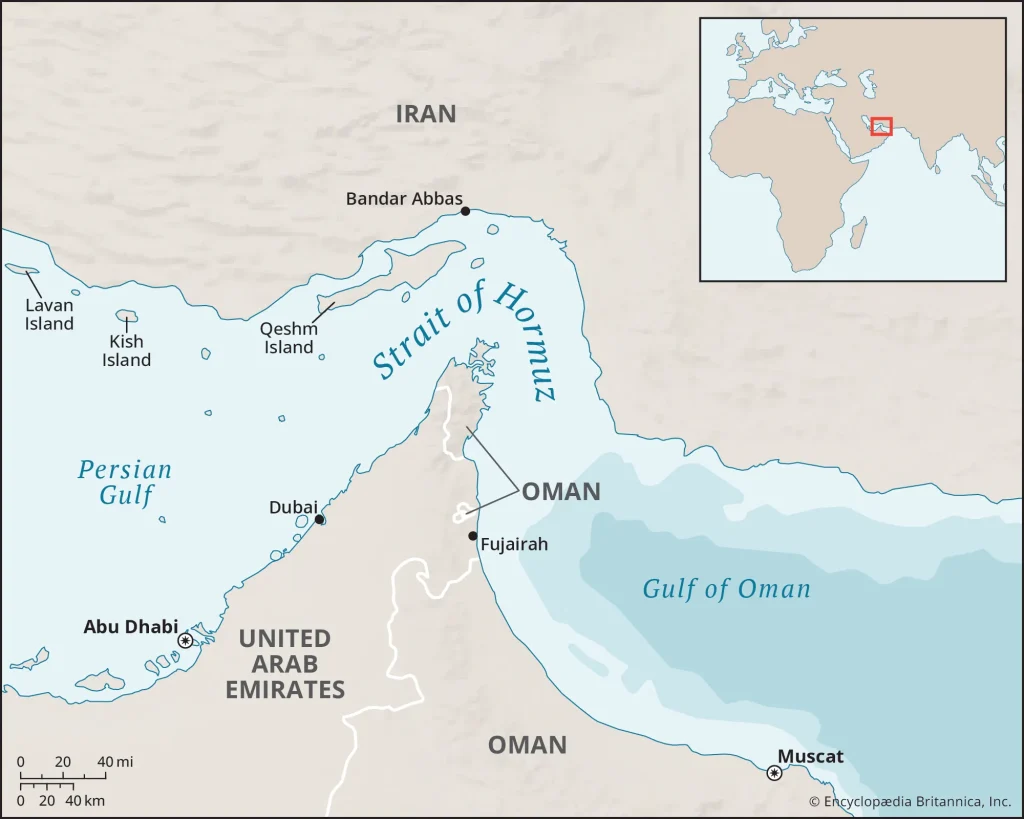
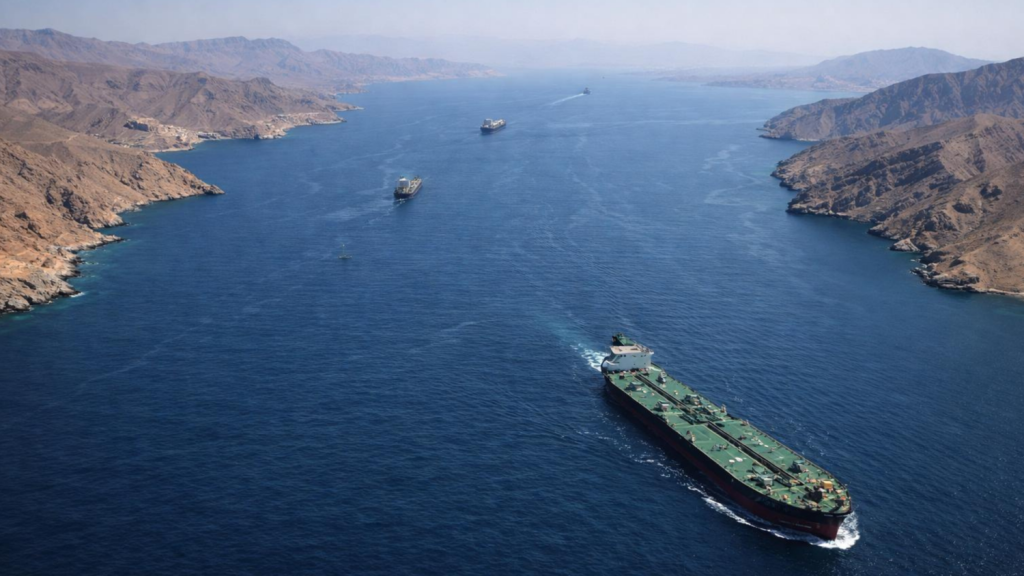
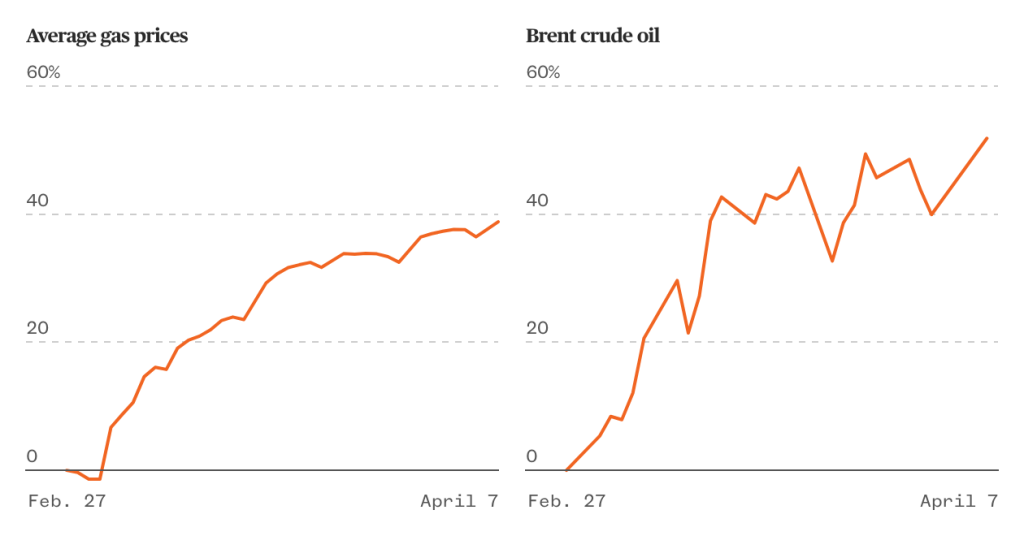
A major flashpoint was Iran’s closure or severe restriction of the Strait of Hormuz, through which roughly 20% of global oil supplies pass. This action threatened energy markets worldwide, causing oil prices to spike and raising fears of broader economic fallout.

President Trump issued a firm ultimatum: Iran must allow safe passage through the Strait of Hormuz by 8:00 PM EDT on April 7, 2026, or face devastating US strikes on Iranian infrastructure, including power plants, bridges, and other targets — described by Trump as potentially “ending civilization in Iran,” Reuters reports.
Iran initially rejected temporary ceasefire proposals mediated by Pakistan, insisting on a permanent end to the war. Tehran presented its own 10-point plan, which included lifting sanctions, guarantees against future attacks, and regional de-escalation (potentially covering Lebanon and Hezbollah). Trump called the Iranian counterproposal “not good enough.”
Key Details of the Two-Week Ceasefire Agreement
On the evening of April 7, 2026, with the deadline approaching, President Trump announced via social media that the US had agreed to a two-week suspension of bombing and attacks on Iran. In return, Iran committed to the complete, immediate, and safe reopening of the Strait of Hormuz.
Main terms of the deal include:
- The United States and Israel will halt all major airstrikes and military offensives against Iran for 14 days.
- Iran will ensure safe passage for commercial shipping through the Strait of Hormuz, with its armed forces coordinating traffic management.
- Formal negotiations between US and Iranian delegations are scheduled to begin on Friday, April 10, 2026, in Islamabad, Pakistan, with Pakistan acting as the primary mediator.
- The agreement is described as mutual (“two-sided”), and the White House has confirmed Israel’s alignment with the core terms (though nuances exist regarding Lebanon).
- Iran’s Foreign Minister Abbas Araghchi and the Supreme National Security Council stated that Iran accepts the ceasefire if attacks against the country are halted.
Some minor violations (missile or drone activity) were reported in the immediate hours after the announcement, but the overall truce has largely held so far. Celebrations broke out in parts of Iraq and elsewhere in the region.
Immediate Impacts of the Iran Ceasefire
Economic Effects:
- Global oil prices dropped sharply following the news, easing fears of prolonged disruption to energy supplies.
- US and Asian stock futures rebounded, reflecting investor relief over reduced geopolitical risk.
Political and Military Effects:
- Both sides have claimed elements of victory. The US views it as securing the reopening of Hormuz without immediate further escalation, while Iran sees it as forcing a pause and opening the door to broader talks.
- Analysts note that neither side has fully achieved its core objectives: the US has not completely dismantled Iran’s nuclear program, and Iran has not secured a permanent ceasefire or full sanctions relief.
- The two-week window provides breathing room for diplomacy but also risks allowing rearmament or renewed tensions if talks fail.
Global Implications:
- Reduced chance of immediate wider conflict, though risks remain high.
- The deal highlights the role of third-party mediators like Pakistan (and indirect influence from China).
What Happens Next? Outlook After April 2026 Ceasefire
This is explicitly a temporary ceasefire, not a final peace agreement. The upcoming talks in Islamabad will address deeper issues, including Iran’s nuclear program, sanctions, regional security (Hezbollah, Lebanon), and long-term guarantees for shipping in the Strait of Hormuz.
Iran has emphasized that the truce does not mean the end of the war, while the US hopes the pause will lead to a more comprehensive deal. Markets, governments, and the public are watching closely for any signs of progress or breakdown.
Conclusion
The Iran ceasefire April 2026 represents a critical diplomatic off-ramp in a dangerous five-week war. By agreeing to pause attacks for two weeks in exchange for reopening the Strait of Hormuz, the US and Iran have averted an even more destructive escalation — at least for now.
Whether this temporary truce evolves into lasting peace will depend on the success of negotiations starting April 10 in Pakistan. The situation in the Middle East remains fluid and highly sensitive.
For the latest updates on the US-Iran ceasefire, oil market reactions, or developments in the 2026 Iran war, follow reliable sources such as Reuters, AP News, Al Jazeera, CNN, and BBC.
(This article is based on reports available as of April 8, 2026. Events are developing rapidly.)