

Last Updated on 3 months ago by TodayWhy Editorial
Ancient Iran, often synonymous with ancient Persia, is home to one of the world’s oldest and most influential civilizations. Centered on the Iranian plateau, this region gave rise to empires that shaped global history through conquest, administration, cultural tolerance, and innovation. The most iconic era is the Achaemenid Empire (c. 550–330 BCE), founded by Cyrus the Great — widely regarded as the first “world empire” due to its vast scale, multicultural governance, and lasting impact on art, religion, and governance.
From the majestic ruins of Persepolis to the simple yet profound Tomb of Cyrus, ancient Persia’s archaeological treasures reveal a sophisticated society that balanced power with respect for diversity. This guide dives into the key civilizations, rulers, achievements, and enduring legacy of ancient Iran — perfect for history enthusiasts, travelers, or anyone curious about the roots of modern Iranian identity.
The Rise of Ancient Persia: From Tribes to Empire
The story begins long before the Achaemenids. Early Iranian peoples, including the Medes and Persians, emerged around the 2nd millennium BCE as Indo-Iranian migrants settled the plateau.
- Pre-Achaemenid Foundations: The Elamites (c. 2700–539 BCE) in southwestern Iran developed advanced urban centers and interacted with Mesopotamia. By the 7th century BCE, the Medes established a powerful kingdom in northwestern Iran.
- Cyrus the Great (r. 559–530 BCE): In 550 BCE, Cyrus II overthrew the Median king Astyages, uniting Persians and Medes. He then conquered Lydia (546 BCE), Babylon (539 BCE), and much of Central Asia, creating an empire spanning three continents.
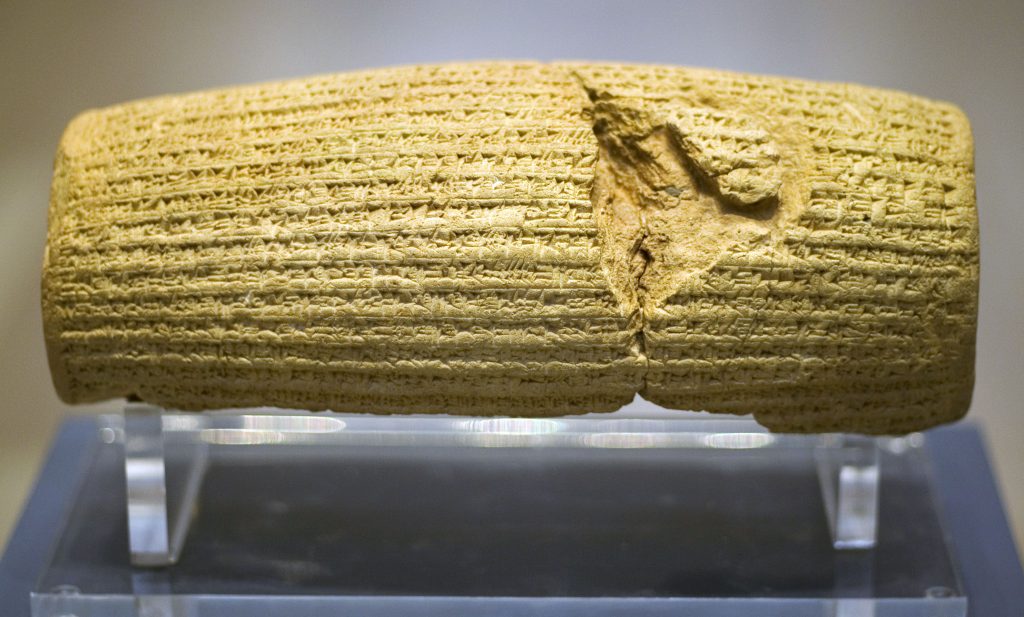
Cyrus earned his “Great” title through humane policies: he respected local religions, freed captives (including Jews from Babylonian exile), and issued the Cyrus Cylinder — often called the world’s first human rights charter.
The Achaemenid Empire at Its Peak: Innovation and Grandeur
Under successors like Darius I (r. 522–486 BCE) and Xerxes I (r. 486–465 BCE), the empire reached its zenith, covering about 5.5 million square kilometers and ruling over 44% of the world’s population.
- Administrative Genius: Darius organized the realm into satrapies (provinces) with local governors, standardized coinage (the daric), and built the Royal Road — a 2,500 km highway for fast communication.
- Cultural Tolerance: The empire embraced diverse languages, faiths (including Zoroastrianism as the royal religion), and customs, fostering stability across ethnic groups.
- Architectural Marvels: Persepolis, the ceremonial capital built by Darius, featured grand palaces adorned with intricate reliefs showing tribute-bearers from 28 nations.

Iconic Sites: Persepolis and the Tomb of Cyrus
Persepolis (Parsa) symbolizes Persia’s imperial splendor.
- Reliefs at the Apadana staircase depict delegations from across the empire bringing gifts — a testament to unity and diversity.
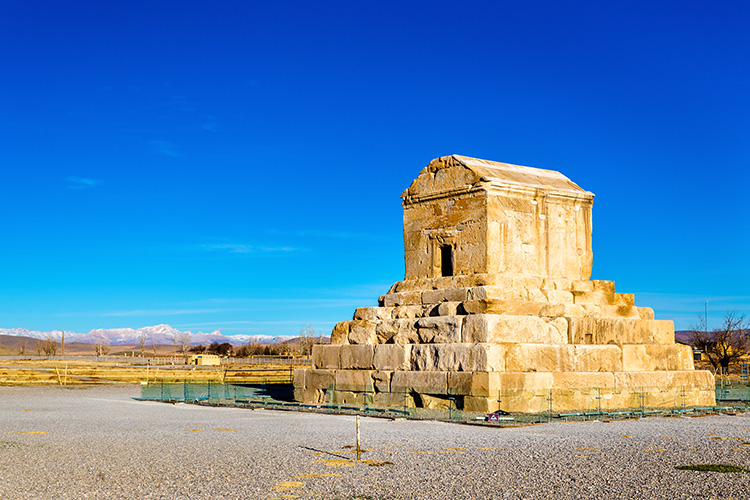
The Tomb of Cyrus at Pasargadae remains a simple yet majestic monument.
Military Might: The Immortals and Beyond
The empire’s army included the elite “Immortals” — 10,000 elite Persian troops renowned for discipline.
The Fall and Lasting Legacy
The Achaemenid Empire fell to Alexander the Great in 330 BCE, who burned Persepolis. Yet Persian culture endured, influencing the Parthian and Sasanian empires, and later Islamic civilizations.
Today, ancient Persia’s emphasis on tolerance, infrastructure, and grandeur inspires modern Iran and global heritage studies. Sites like Persepolis and Pasargadae are UNESCO World Heritage treasures, drawing visitors to explore this cradle of civilization.
Whether through the Cyrus Cylinder’s message of freedom or Persepolis’s grand staircases, ancient Iran reminds us of humanity’s capacity for empire-building with wisdom and respect.
Keywords: ancient Persia history, Achaemenid Empire facts, Cyrus the Great, Persepolis ruins, Tomb of Cyrus, ancient Iranian civilizations, Zoroastrianism origins.