
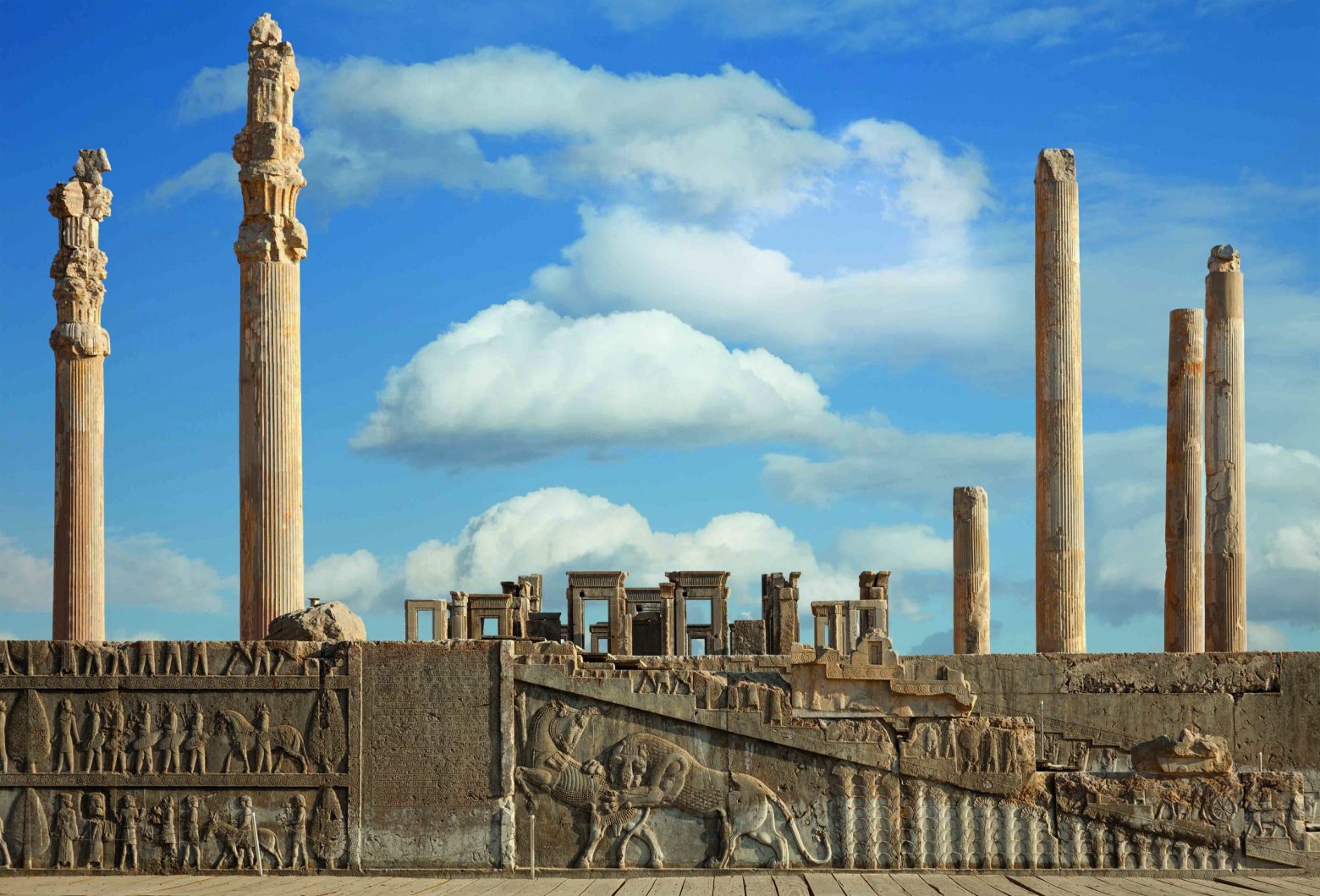
What is Persia? This simple question opens the door to one of history’s most fascinating civilizations. Persia refers to the ancient name for the land and people of what is now modern-day Iran. It is far more than a geographic label — it represents a powerful empire that shaped the ancient world, a rich cultural heritage that still thrives today, and a legacy of innovation, art, and governance that continues to influence global civilization.
Whether you’re a history enthusiast, a traveler planning a trip to Iran, or simply curious about the roots of the Middle East, this in-depth guide answers “what is Persia” in full detail. We’ll explore its origins, empires, geography, culture, contributions, and its transformation into modern Iran.
The Origins of Persia: From Ancient Roots to a World Power
The word “Persia” comes from the ancient Greek Persís, which the Greeks used to describe the region and people of southwestern Iran. The Persians themselves called their land Pārsa (or Parsa), centered in the province still known today as Fars (or Pars).
Persia’s story begins long before the famous empires. Archaeological evidence shows sophisticated settlements in the Iranian plateau dating back to 6000 BCE, with early civilizations like the Elamites flourishing around 2700 BCE in what is now southwestern Iran. These pre-Persian cultures laid the groundwork for the later Persian identity.
By the 7th century BCE, nomadic Iranian tribes, including the Medes and Persians, migrated into the region. The Persians eventually rose to dominance under the Achaemenid dynasty, marking the birth of the first true Persian Empire.
Video: Cyrus the Great and the Birth of the Persian Empire
The Achaemenid Persian Empire: The Greatest Ancient Superpower (550–330 BCE)
When people ask “what is Persia,” they are often referring to the mighty Achaemenid Empire — the first Persian Empire and one of the largest empires in ancient history.
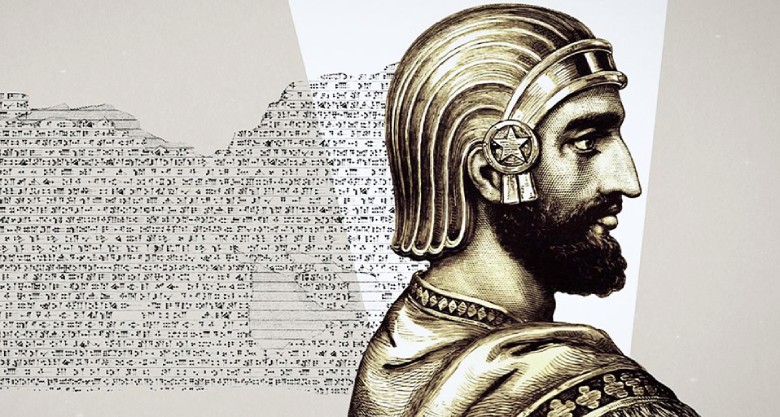
- Founder: Cyrus the Great (Cyrus II) established the empire in 550 BCE by defeating the Median Empire and uniting the Persian tribes.
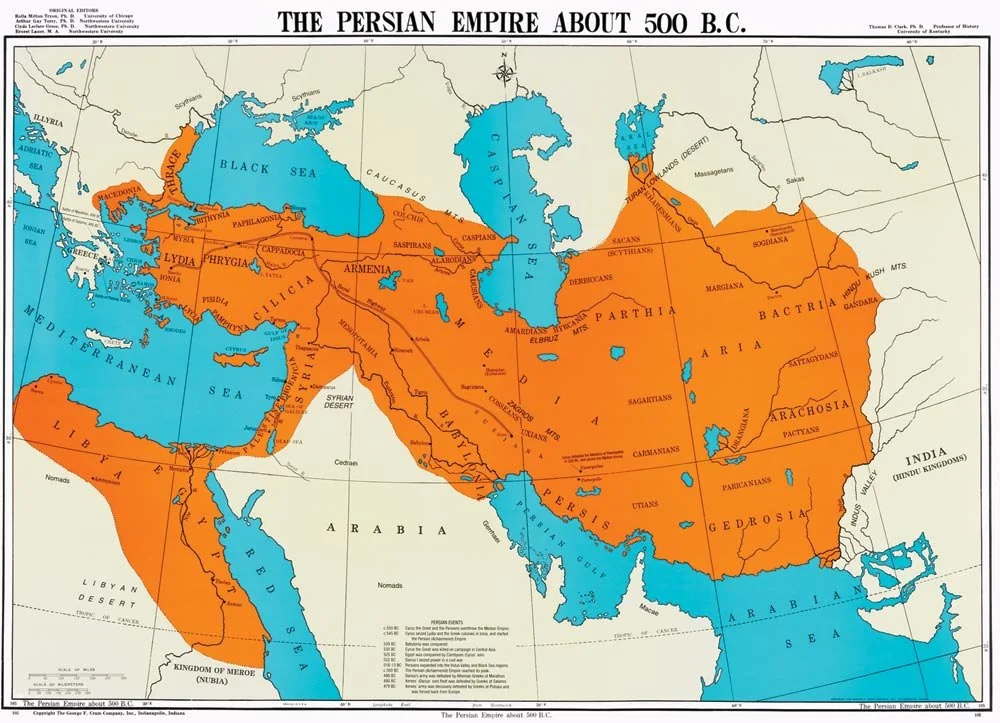
- Peak Extent: At its height under Darius I and Xerxes I, the empire stretched from the Indus Valley in the east to Egypt and Libya in the west, and from the Black Sea in the north to the Arabian Sea in the south. It covered approximately 5.5 million square kilometers — larger than the Roman Empire at its peak.
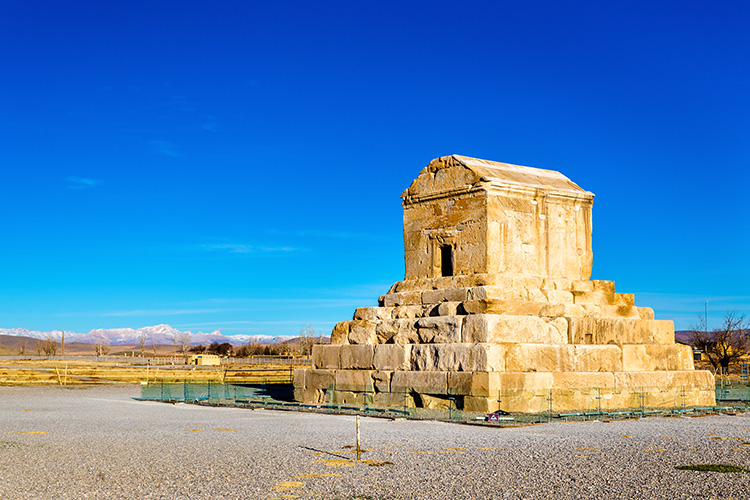
- Capital Cities: Pasargadae (Cyrus’s capital), Persepolis (ceremonial capital built by Darius I), Susa, and Ecbatana.
The Achaemenids were masters of administration. They divided the empire into 20–30 satrapies (provinces) governed by satraps, created the Royal Road (a 2,700 km highway system), and established the world’s first postal service using horse relays. Their tolerance for local customs and religions was revolutionary for the time.
Key Achievements:
- The Cyrus Cylinder (539 BCE) is often called the world’s first charter of human rights, proclaiming freedom for conquered peoples.
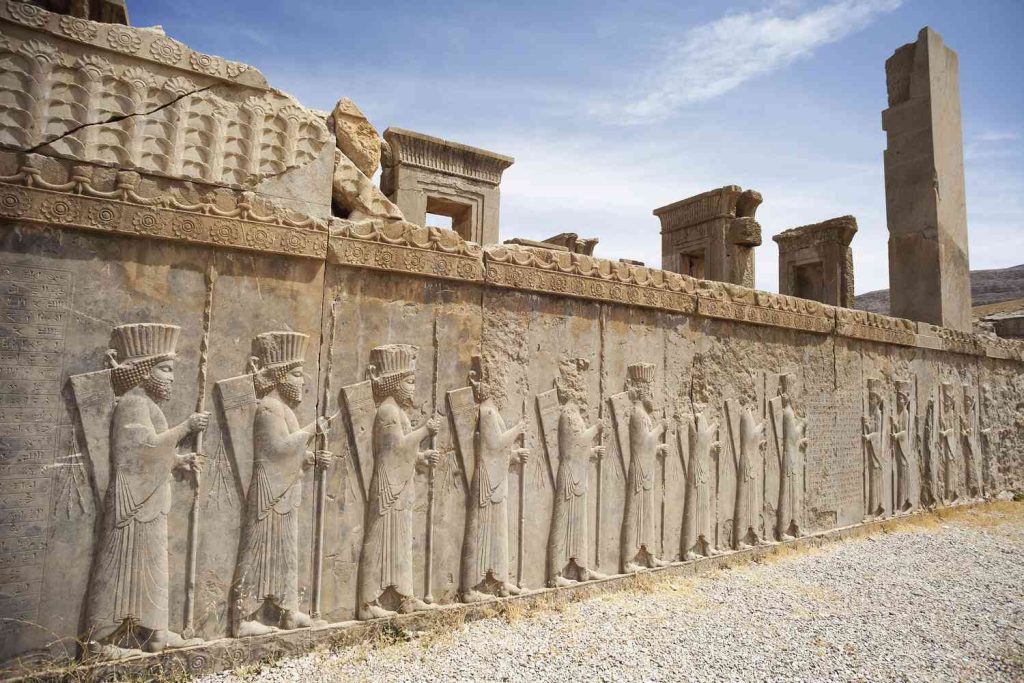
- Monumental architecture: The grand palaces and staircases of Persepolis still stand as UNESCO World Heritage sites.
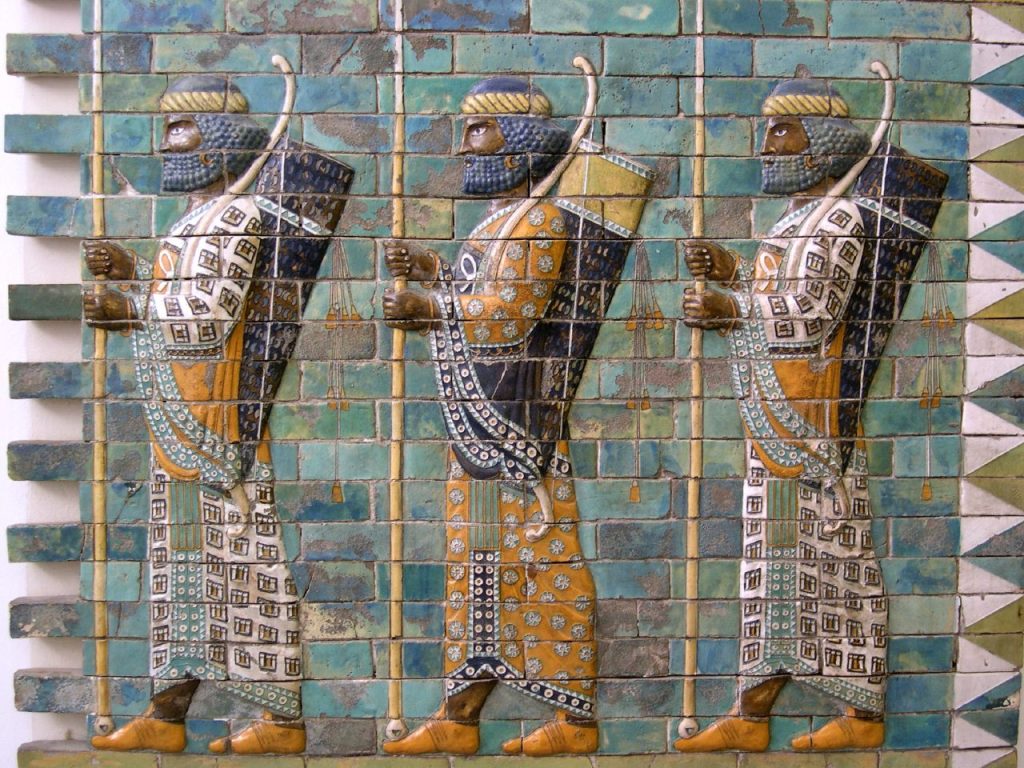
- Military innovation: The Immortals, an elite 10,000-strong force, and a diverse navy drawn from subject peoples.
The empire fell in 330 BCE when Alexander the Great of Macedon defeated Darius III and burned Persepolis. Yet Persian culture survived and later reemerged.
Successor Persian Empires: Parthian and Sassanid Eras
Persia did not disappear after Alexander. Two more great Persian-led empires rose:
- Parthian Empire (247 BCE – 224 CE): Also known as the Arsacid Empire, the Parthians were Iranian nomads who restored Persian independence from the Seleucid (Greek) successors of Alexander. They were famous for their skilled horse archers and clashed repeatedly with the Roman Empire.
- Sassanid Empire (224–651 CE): The last pre-Islamic Persian Empire. Founded by Ardashir I, the Sassanids revived Zoroastrianism as the state religion, expanded trade along the Silk Road, and produced stunning silverware, textiles, and architecture. They fought prolonged wars with the Byzantine (Eastern Roman) Empire until both were exhausted — paving the way for the Islamic conquest.
These empires kept the Persian identity alive for over 1,000 years after the Achaemenids.
Geography: Where Was Ancient Persia?
Ancient Persia was located on the Iranian Plateau in Western Asia. The core heartland was the region of Pars (modern Fars Province) in southern Iran. The empire’s vast territory included:
- Modern Iran (core)
- Parts of Iraq, Afghanistan, Pakistan, Turkey, Syria, Lebanon, Israel, Jordan, Egypt, and Central Asia
Natural features included the Zagros Mountains, the Dasht-e Kavir desert, and fertile river valleys. This strategic location made Persia a crossroads of trade between Europe, India, and China.
Persian Culture, Language, and Traditions
Persian culture is one of the oldest continuous civilizations on Earth.
- Language: Old Persian (cuneiform), then Middle Persian (Pahlavi), and today Modern Persian (Farsi). Farsi remains the official language of Iran, Afghanistan (Dari), and Tajikistan (Tajik). It belongs to the Indo-Iranian branch of the Indo-European language family.
- Literature: World-famous poets such as Ferdowsi (Shahnameh — the Persian national epic), Hafez, Saadi, and Rumi (though Rumi wrote in Persian).
- New Year: Nowruz (“New Day”) is celebrated on the spring equinox and is recognized by UNESCO as Intangible Cultural Heritage. It dates back at least 3,000 years.
- Cuisine: Famous for saffron rice, kebabs, stews (khoresh), pistachios, and pomegranates. Persian food emphasizes fresh herbs, nuts, and slow-cooked flavors.
Religion in Persia: Zoroastrianism and Its Global Influence
Zoroastrianism, founded by the prophet Zoroaster (Zarathustra) between 1500–1000 BCE, was Persia’s dominant religion for over a millennium. It is widely regarded as the world’s first monotheistic faith and introduced concepts such as:
- A single supreme god (Ahura Mazda)
- The cosmic struggle between good and evil
- Heaven, hell, and a final judgment
- Free will and ethical living
These ideas heavily influenced Judaism, Christianity, and Islam. After the 7th-century Arab conquest, Islam became the majority religion, but Zoroastrian communities (Parsis) still exist in Iran and India today.
Video: How Byzantine CRUSHED the Persian empire and ENDED the Pechenegs
Persia vs. Iran: Why the Name Changed
In 1935, Reza Shah Pahlavi asked the world to start calling the country “Iran” instead of “Persia” — a decision rooted in reclaiming the name Iranians had used for themselves for millennia.
Today, Iran is the official name of the country, while Persia remains the correct term for its ancient empires, language heritage, and culture.
For the full story — including the 1935 circular, the Nazi-era “Aryan” question, and how Britain and the West reacted — see our complete history of Iran’s name change.
Persia’s Contributions to World Civilization
Persia gave the world enduring innovations:
- Governance & Human Rights: The Cyrus Cylinder and satrapy system influenced later empires.
- Infrastructure: The Royal Road and qanat (underground irrigation) system.
- Science & Medicine: Scholars like Avicenna (Ibn Sina) wrote the Canon of Medicine, used in Europe for centuries.
- Art & Craftsmanship: Persian carpets, miniature paintings, turquoise-inlaid architecture, and garden design (the word “paradise” comes from Persian pairidaēza).
- Calendar: The solar Hijri calendar, still used in Iran.
Video: Ancient Persian art and architecture
Famous Persian Figures Through History
- Cyrus the Great — Founder, liberator of Babylon’s Jews.
- Darius I — Organizer of the empire and builder of Persepolis.
- Xerxes I — Led the invasion of Greece (Battle of Thermopylae).
- Ferdowsi — Preserved Persian identity through the Shahnameh.
- Hafez — Master of lyric poetry, still quoted daily in Iran.
Modern Persia: Iran’s Living Persian Heritage
Today, Iran is a diverse country of over 89 million people. While Persians form the majority ethnic group (about 60–65%), the nation includes Azeris, Kurds, Baloch, and others. Persian language, Nowruz celebrations, poetry, and cuisine remain central to national identity.
Iran maintains strong ties to its Persian past through UNESCO sites like Persepolis, Pasargadae, and the ancient city of Susa.
Why “What Is Persia” Still Matters Today
Understanding Persia helps explain:
- The roots of Middle Eastern geopolitics
- The Silk Road’s cultural exchanges
- Enduring artistic and literary traditions
- Why Nowruz is celebrated from the Balkans to Central Asia
Persia is not just ancient history — it is a living cultural force.
Video: Flying over Iran – Persian Wonders
FAQs About What Is Persia
What is persia now?
Persia is now the modern country of Iran. The name was officially changed from Persia to Iran in 1935 by Reza Shah, though the country was historically known as Iran locally for thousands of years. “Persia” originated from the southwestern province of Parsa (now Fars), while “Iran” means “Land of the Aryans”.
Was Persia an empire?
Yes — primarily the Achaemenid, Parthian, and Sassanid Empires.
What does the word “Persia” mean?
It comes from the ancient name Pārsa, referring to the Persian people and their homeland in southern Iran.
Is Persian the same as Iranian?
“Persian” usually refers to ethnicity/language/culture; “Iranian” refers to nationality.
Did Persia invent anything important?
Yes — postal systems, human-rights concepts, qanats, and foundational ideas in monotheistic religion.
What happened to ancient Persia?
It was conquered by Alexander the Great, revived under Parthians and Sassanids, and eventually integrated into the Islamic world while preserving its distinct Persian identity.
What is Persian culture?
Persian culture is a 5,000-year-old civilization blending ancient pre-Islamic traditions with Islamic influences, deeply rooted in art, poetry, and profound hospitality (taarof). Renowned for its rich literary history, exquisite carpet weaving, and intricate architecture, it is a major cultural force in the Middle East and Central Asia. Key elements include the celebration of the New Year, Nowruz, a high value on education, and a refined, flavor-rich cuisine centered on saffron and rice.
What is persian religion?
Persian religion is historically dominated by Zoroastrianism, an ancient monotheistic faith founded by Zoroaster in the 6th century BCE (or earlier), focusing on the worship of Ahura Mazda and ethical dualism. Following the 7th-century Islamic conquest, it transitioned, and today most Persians (Iranians) practice Shia Islam, though Zoroastrianism remains a foundational cultural influence.
What is the prince of persia?
Prince of Persia is a renowned video game franchise, created by Jordan Mechner in 1989, featuring fantasy adventures often themed around ancient Persian mythology, time manipulation, and platforming combat. The series is best known for The Sands of Time trilogy, the 2008 reboot, and the 2024 2D title The Lost Crown.
Persia’s story is one of resilience, creativity, and influence that spans millennia. Whether you’re exploring its ruins, reading its poetry, or enjoying its cuisine, the answer to “what is Persia” is clear: it is a timeless civilization whose legacy continues to enrich our world.
More stories: