
Last Updated on 3 months ago by TodayWhy Editorial
Why is Mexico called El Tri? With Mexico hosting the World Cup and now preparing to face England at a sold-out Estadio Azteca in the Round of 16, “¡Vamos, El Tri!” has been ringing around stadiums across the country all tournament. The nickname is everywhere — on shirts, in commentary, in chants — but the story behind it is less well known than the name itself, and it comes with a genuinely odd legal twist involving a rock star.
Why is Mexico called El Tri? The short answer
El Tri is short for El Tricolor, Spanish for “the tricolor” — a direct reference to the three colors of the Mexican flag: green, white and red. Mexico’s national team has worn some combination of those three colors for decades, and fans eventually shortened the more formal “El Tricolor” into the punchier, chant-friendly “El Tri.” Both versions are still used today: broadcasters and official commentary lean on “El Tricolor,” while fans, headlines and everyday conversation almost always default to “El Tri.”
Where does the tricolor look actually come from?
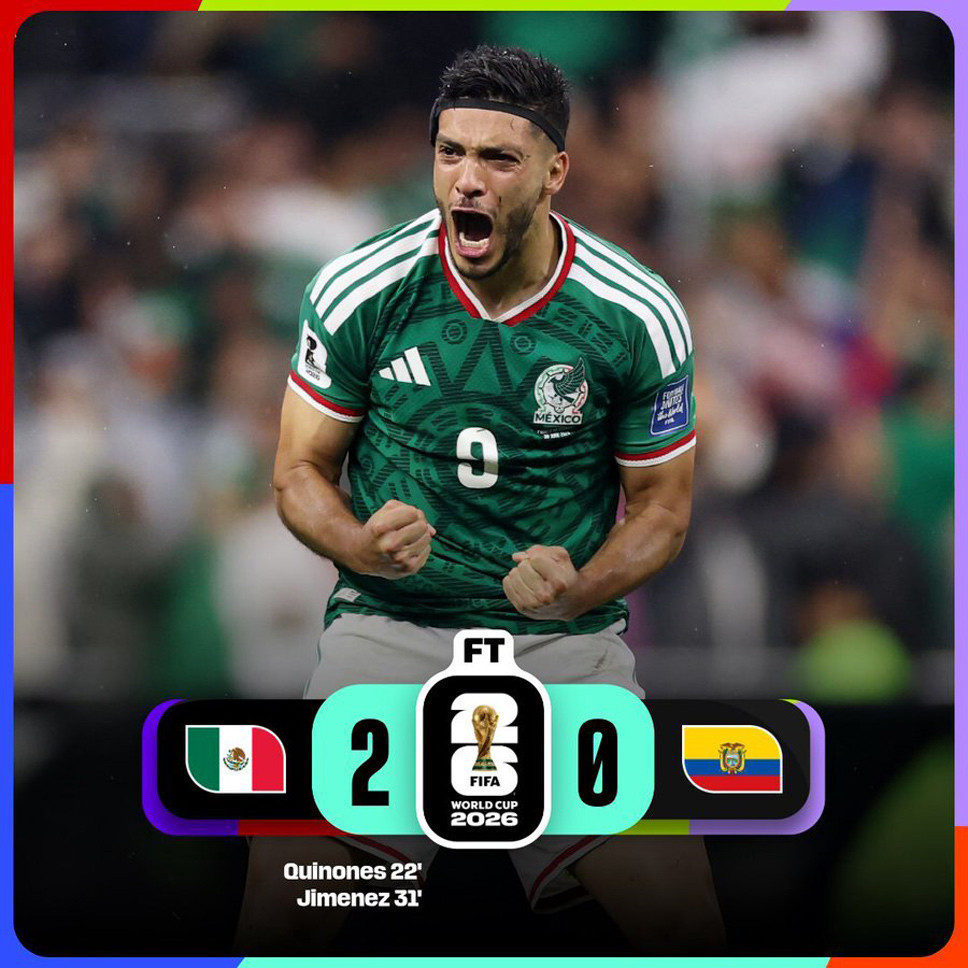
Mexico’s flag has been green, white and red since the country’s independence era in the early 19th century, and the First Mexican Empire formally declared in 1821 that national and army flags would be tricolor. The national team’s kit, however, took much longer to catch up. Mexico wore red shirts as far back as 1930, then switched to green shirts and white shorts by the late 1950s. The final piece — red socks — didn’t become a consistent fixture until the 1980s, and it was really the 1986 World Cup, hosted on Mexican soil, that cemented the full green-white-red look in the public imagination. From that tournament onward, “El Tri” stuck as the default shorthand for the national team.
Why can’t the Mexican federation officially use its own team’s nickname?
Here’s the twist: since 2023, the Mexican Football Federation hasn’t had the commercial rights to “El Tri.” Alex Lora, frontman of the long-running Mexican rock band El Tri, successfully sued over use of the name and won, meaning the federation can’t legally sell official “El Tri” merchandise or use it in paid branding without his permission. It’s a strange situation for one of the most recognizable nicknames in world football, not unlike the naming dispute behind Ivory Coast’s own name — fans, media outlets and commentators can say “El Tri” as much as they like, but the team that made the name famous on the pitch can’t cash in on it directly.
What does the logo actually show?
Mexico’s crest layers several national symbols on top of the tricolor scheme: an abstract eagle drawn from Aztec and Mayan imagery, the Piedra del Sol (the Aztec calendar stone), and a small ball based on the Telstar, the official 1970 World Cup match ball, which has appeared on the badge consistently since the 1980s. Together with the flag’s three colors, it makes the crest a fairly dense piece of national symbolism packed into a small football badge.
Why does the nickname matter so much right now?
As co-hosts of the 2026 World Cup, Mexico have played every match so far at Estadio Azteca, and El Tri have been nearly unbeatable there for decades — the venue’s history and the team’s tricolor identity have become deeply intertwined heading into a Round of 16 clash against England. For a deeper look at why that specific stadium is such a fortress, see our full breakdown of Estadio Azteca’s altitude advantage and Mexico’s unbeaten World Cup record there.
Frequently asked questions
Why is Mexico called El Tri?
El Tri is short for El Tricolor, referring to the green, white and red of the Mexican flag, which the national team’s kit has echoed since the 1980s.
Can the Mexican Football Federation use “El Tri” commercially?
No. Since a 2023 lawsuit brought by Alex Lora, frontman of the rock band El Tri, the federation lost the commercial rights to the name and cannot officially sell branded merchandise using it.
When did “El Tri” become the team’s popular nickname?
The exact origin is debated, with some tracing informal use back to the 1950s, but the nickname’s widespread popularity is generally linked to the 1986 World Cup hosted in Mexico, when the team’s tricolor kit look became fully established.
What do the colors on Mexico’s flag represent?
Mexico’s flag has featured green, white and red since a formal declaration in 1821 during the First Mexican Empire, and the colors have remained part of the flag through every subsequent redesign.