Last Updated on 1 month ago by TodayWhy Editorial
Update, August 28, 2026: The death toll has continued climbing rapidly and now stands at 579 confirmed, according to Nepal Police, with nearly 2,000 people still missing across Nepal and Tibet combined. The threat of a second flood is no longer theoretical — two barrier lakes formed by Wednesday’s debris are now rising and at risk of bursting, prompting rescue teams to retreat to higher ground. Updated figures and the new flood warning are covered in the sections below; the original reporting follows.
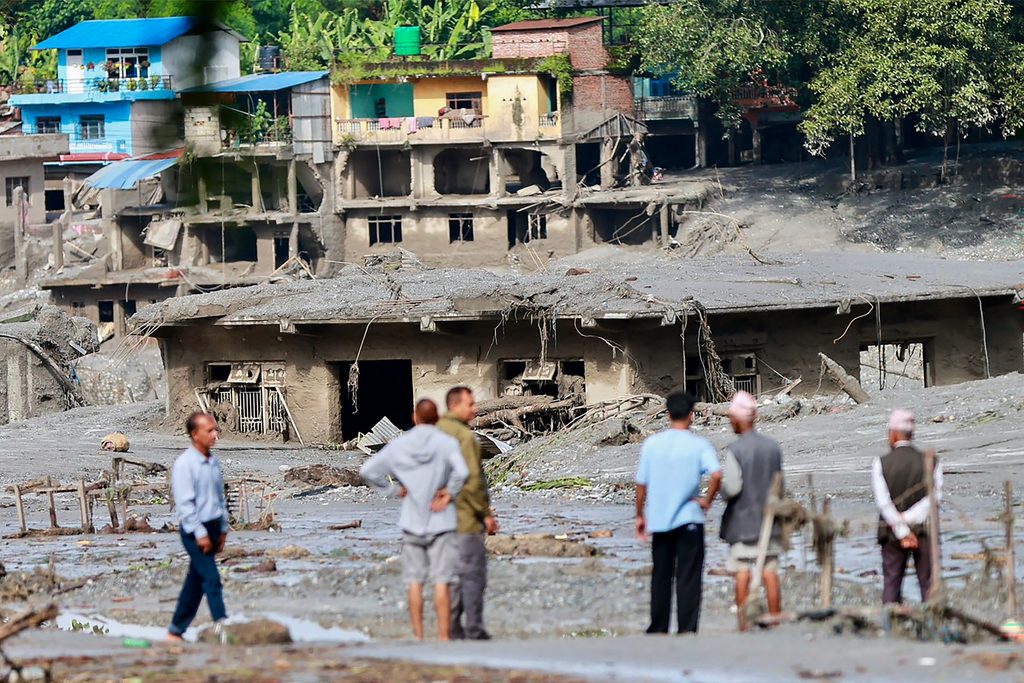
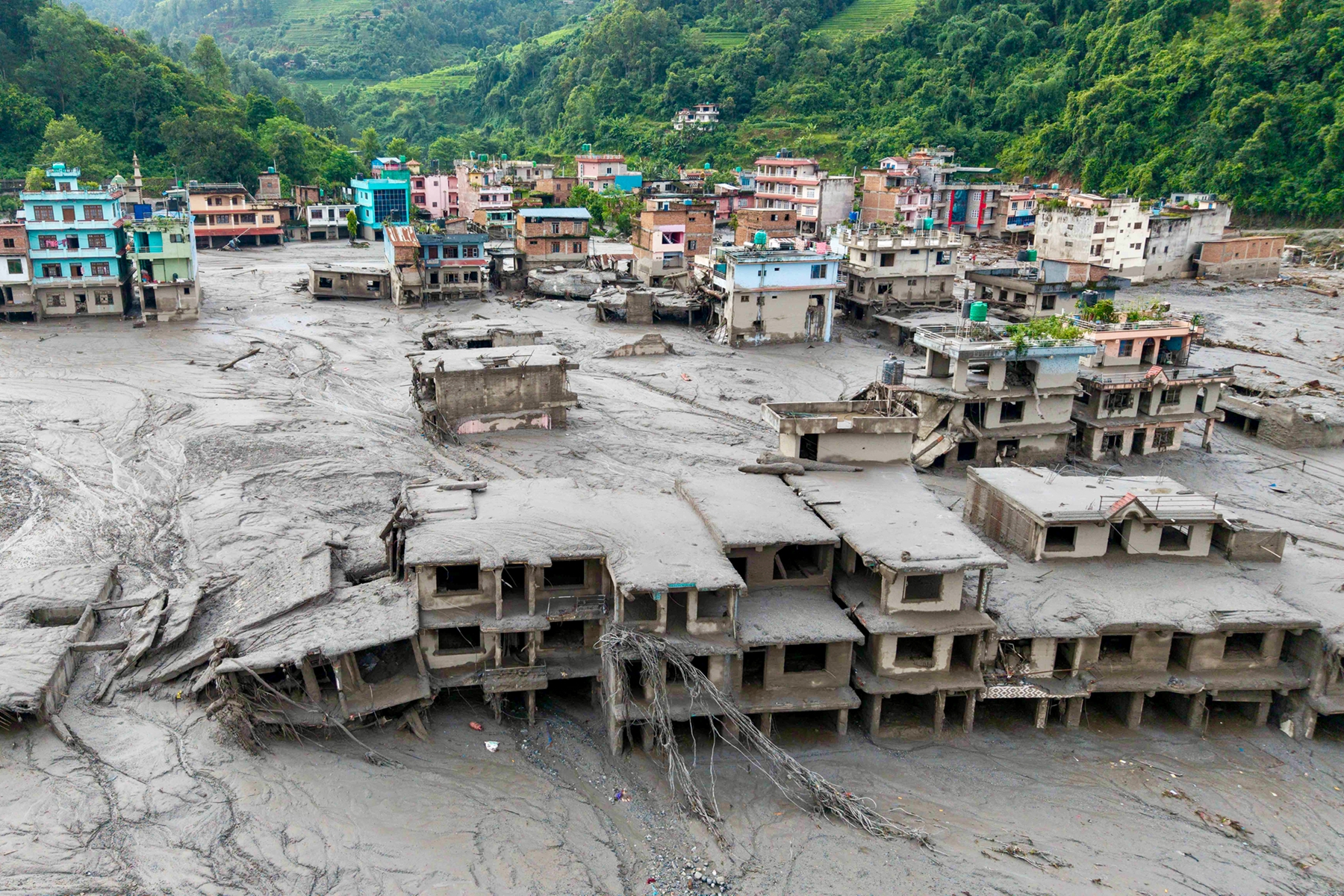
A wall of water tore through Nepal’s Rasuwa district on Wednesday morning with no warning and, oddly, almost no rain. Within hours, dozens were confirmed dead and hundreds more were reported missing, including foreign tourists. Why did the Nepal flash flood happen if it wasn’t raining? Here’s the chain of events scientists are now piecing together, and why this exact stretch of river keeps producing disasters like this.
What Happened in the Nepal Flash Flood?
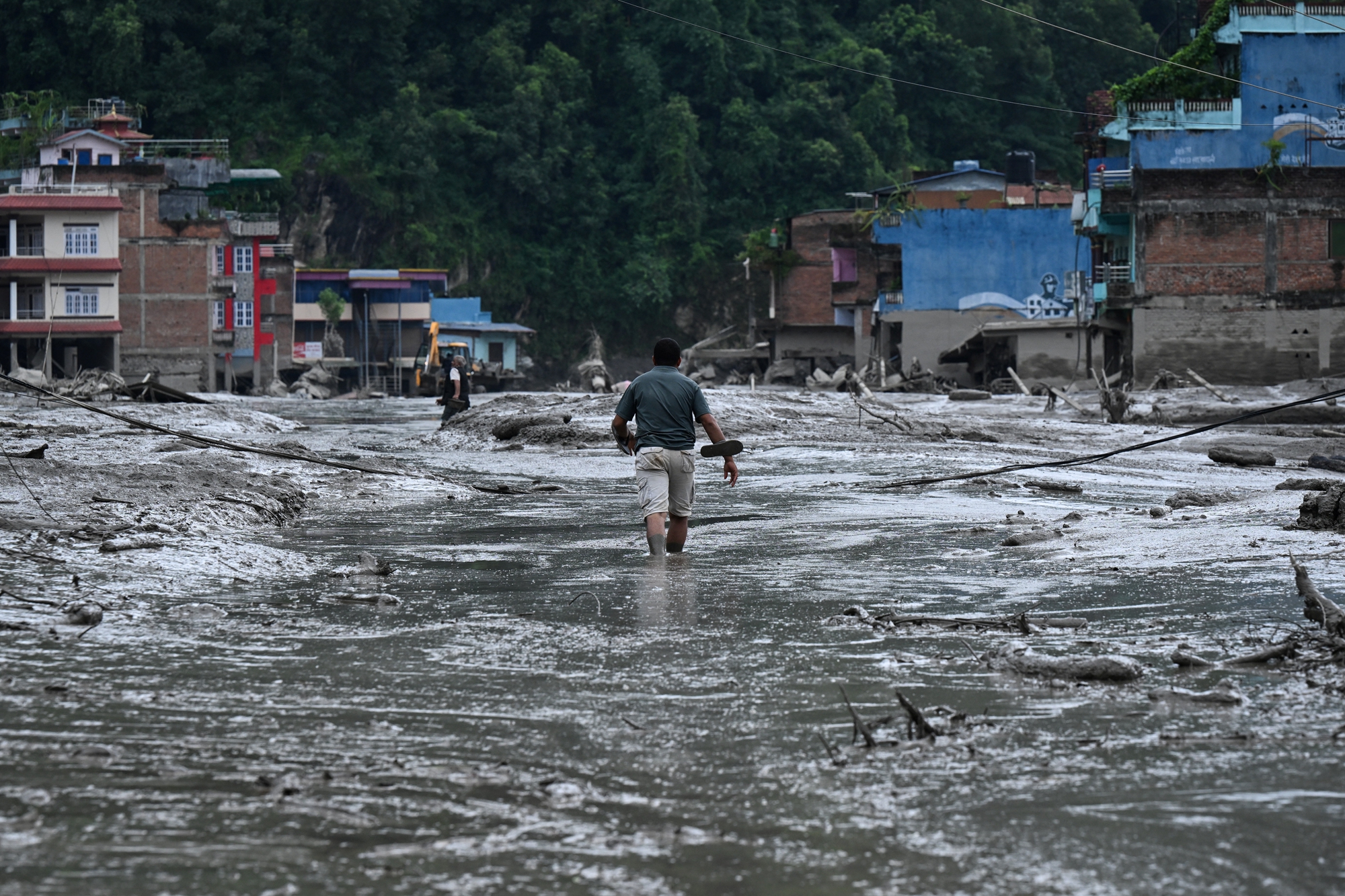
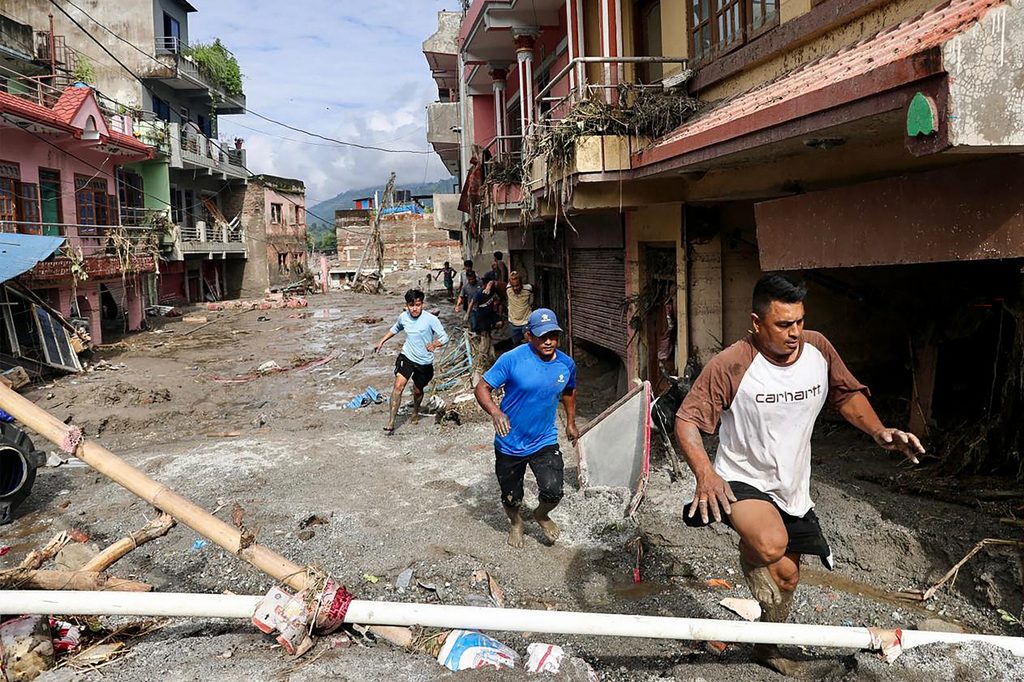
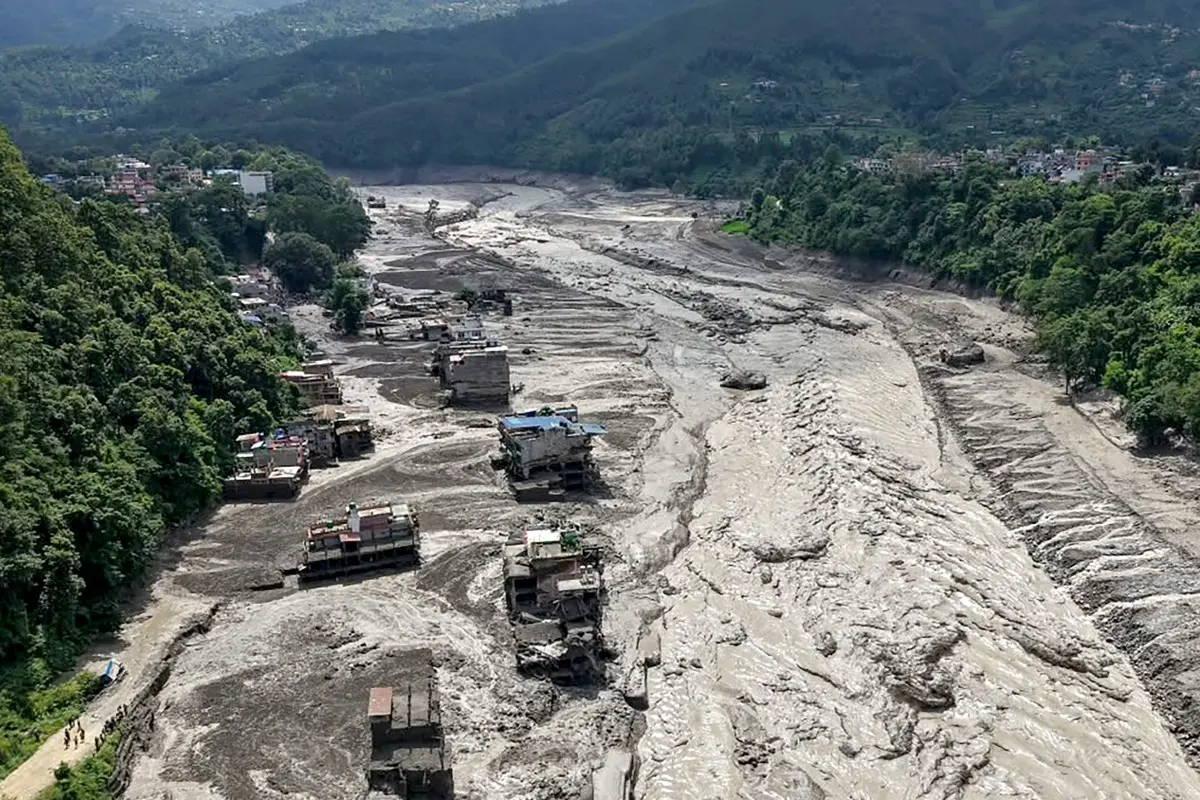
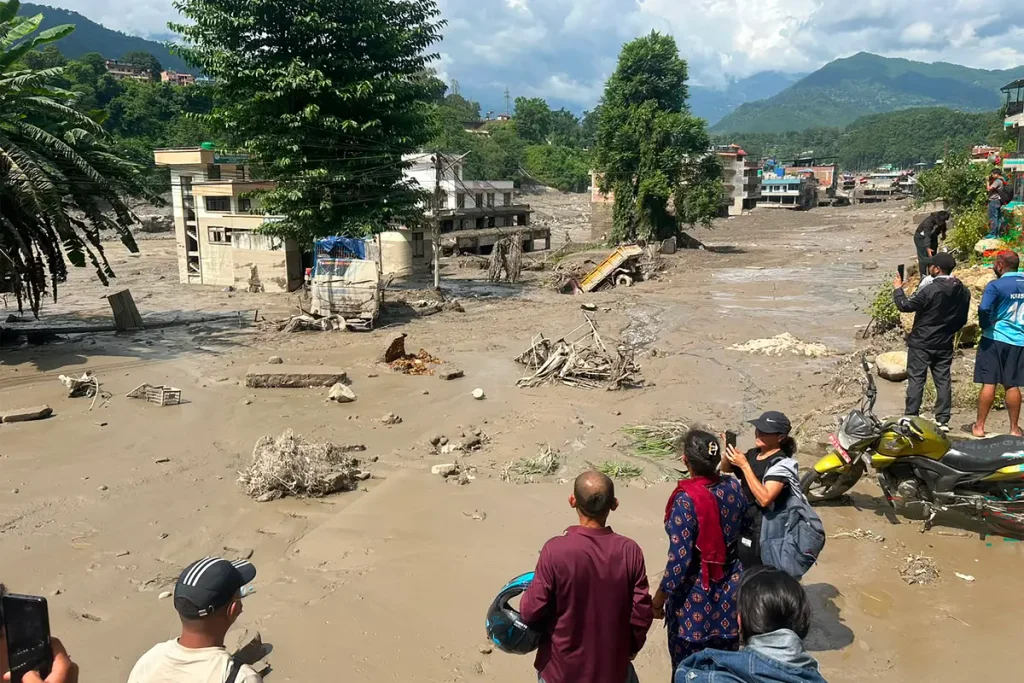
At around 9 a.m. local time on August 26, 2026, a massive surge of water and debris slammed down the Bhote Koshi River, which flows out of Tibet and into Nepal through steep mountain gorges near the China border. The flood tore through Rasuwa and Dhading districts before spreading downstream into Nuwakot and Chitwan, destroying at least four permanent bridges, damaging roads, and wrecking several hydropower facilities, according to CNN’s reporting.
The toll has continued climbing sharply in the days since the flood first hit. Nepal Police put the confirmed death toll at 579 as of Friday, up from 392 just a day earlier, with more than 1,400 people injured and nearly 2,000 still missing across both sides of the border, according to reporting from The Tribune. The International Federation of Red Cross and Red Crescent Societies estimates roughly 93,000 people have been affected overall, and has launched a $43 million emergency appeal to fund the response over the next two years.
Many of the missing were pilgrims rather than casual tourists. At least 178 people from India are unaccounted for, most of them believed to have been on pilgrimage to Mount Kailash, a peak in Tibet considered sacred across Hinduism, Buddhism, Jainism, and the Bon tradition. Indian spiritual leader Jaggi Vasudev said 77 people traveling with groups organized by his Isha Foundation were at an immigration center in Gyirong, Tibet, when the floods struck. Australia’s government said at least 35 Australians remain missing, while the US State Department has said 90 Americans are unaccounted for, with 5 confirmed rescued. On the Tibetan side of the border, Chinese officials have confirmed 5 deaths and 558 people missing after a mudslide at the Gyirong land crossing. It remains unclear whether Nepal and China are counting any of the same missing individuals in their separate tallies.
On the Tibetan side of the border, Chinese officials separately reported 5 confirmed deaths, 2 rescues, and 558 people missing after a mudslide at a land crossing in Gyirong county, including 260 foreign nationals. It remains unclear whether Nepal and China are counting any of the same missing individuals in their separate tallies, according to NBC News’s live reporting.
Why Did the Nepal Flash Flood Happen If It Wasn’t Raining?
This is the detail that confused people first: Rasuwa’s chief district officer said there had been no rainfall at the district headquarters when the flood hit. That ruled out the most common cause of Himalayan flash floods, and pointed investigators upstream, into Tibet, where the water actually came from.
The leading explanation involves a chain reaction rather than one single cause. A large section of glacier or unstable rock face broke away high in the mountains and crashed into the Lhende Khola, a tributary that feeds into the Bhote Koshi. That impact blocked the river, creating a temporary natural dam and a pool of water behind it. When the blockage gave way, it released a sudden, violent surge of water and debris downstream, arriving in Nepal with no warning and, from the ground, no obvious rain to explain it.
How Is the International Community Responding?
The scale of the disaster has drawn a rapid international response. The United States said it is deploying a disaster response advisor to the region and providing $500,000 in assistance for emergency shelter, relief supplies, water, sanitation, and hygiene support. India, which has the largest single group of missing foreign nationals, has already sent nearly 50 tonnes of humanitarian aid, including medicine and food. China said it has coordinated emergency supplies and cash assistance for Nepal, and Chinese Premier Li Qiang, the country’s second-highest-ranking official, visited the affected Gyirong area to meet rescue workers and displaced residents. The European Union said it is ready to mobilize assistance, while the United Nations and World Health Organization are supporting Nepal’s government-led response.
Why Did Reports First Call This an Earthquake?
Seismic monitors initially recorded shaking equivalent to a magnitude 4.4 earthquake at 8:37 a.m., right around the time the flood began, and early reports treated the quake as the flood’s trigger. The US Geological Survey later corrected that account: the shaking wasn’t an earthquake that caused a landslide, but a landslide powerful enough to register as one, equivalent to roughly magnitude 5.2.
In other words, investigators now believe the sequence ran backward from initial assumptions. The landslide caused the earthquake-like shaking, not the other way around. Nepal’s foreign minister, Shishir Khanal, told parliament authorities were still working to confirm the exact sequence, and scientists say it could take weeks to fully reconstruct what happened, since much of it occurred in remote, high-altitude terrain that’s difficult to reach.
Why Were So Many Foreign Tourists in the Area?
Rasuwa district sits on one of the main overland routes between Nepal and Tibet, home to the Rasuwagadhi border crossing and the trailhead for treks into the Langtang Himal region, a popular destination for foreign trekkers. That’s why the missing list reads more like an international incident than a purely domestic disaster, with dozens of Americans and hundreds of other foreign nationals among those unaccounted for.
Why Does This Keep Happening in the Same River System?
This is not the first time the Bhote Koshi and its tributaries have produced a disaster like this. A similar flood hit the same general area in July 2025, which Nepali and regional monitoring bodies attributed to a supraglacial lake outburst on the Tibetan side, washing away a border bridge and leaving nearly 20 people missing. Another Bhote Koshi flood struck in August 2025. Rasuwa, in other words, has become a recurring flashpoint rather than a one-off tragedy.
The pattern fits a broader phenomenon scientists call a glacial lake outburst flood, or GLOF, in which meltwater trapped behind ice, rock, or debris suddenly breaks free. Nepal sits in one of the most GLOF-prone regions on Earth, home to thousands of glaciers that are melting and destabilizing as regional temperatures rise. It’s a different mechanism from the seismic earthquake risk that devastated Japan’s Kumamoto region earlier this year, but both disasters share a common thread: mountainous terrain where geology can turn deadly with almost no warning.
The pattern fits a broader phenomenon scientists call a glacial lake outburst flood, or GLOF, in which meltwater trapped behind ice, rock, or debris suddenly breaks free. Nepal sits in one of the most GLOF-prone regions on Earth, home to thousands of glaciers that are melting and destabilizing as regional temperatures rise. It’s a different mechanism from the seismic earthquake risk that devastated Japan’s Kumamoto region earlier this year, but both disasters share a common thread: mountainous terrain where geology can turn deadly with almost no warning. Scientists increasingly describe events like this one as a warning sign for the wider Himalayas — a signal that similar unstable glacial systems elsewhere in the range could produce the same kind of disaster, not an isolated incident confined to one valley.
Why Are Authorities Worried About a Second Flood?
That risk has since become concrete. Two barrier lakes formed high in the mountains from Wednesday’s debris, one on the Nepal side and one in China, and both are continuing to fill with water. Nepal’s disaster authority warned Thursday that the debris-blocked lake on its side is rising and at risk of bursting, while Chinese officials say roughly 3 million cubic metres of water are expected to flow into the already-dammed lake on their side within three days, with more rain in the forecast. “The volume of water is continuing to increase, and so is the risk,” Zhu Jinfeng, a researcher at China’s water resources ministry, told state broadcaster CCTV. The warning has already prompted some rescue teams working near the riverbed to retreat to higher ground as a precaution.
Investigators believe the upstream blockage that unleashed Wednesday’s flood may not be fully cleared, raising the possibility of another sudden wall of water. Authorities have issued warnings downstream, including in parts of northern India, since the Bhote Koshi eventually feeds into the larger Trishuli river system. An unstable blockage that failed once can fail again, which is part of why officials are treating the area as an ongoing hazard rather than a closed incident.
Why Does Climate Change Matter to This Story?
Scientists caution it will take weeks or months to fully confirm what triggered this specific event, but they’re clear about the broader trend. Warmer temperatures let meltwater seep into cracks in glaciers and mountain rock, weakening structures that once stayed frozen and stable year-round. Nepal’s location in the rapidly warming Himalayan region, combined with thousands of glaciers already in retreat, makes this kind of sudden, rain-free flood more likely, not less, in the years ahead.
Frequently Asked Questions
Why did the Nepal flash flood happen?
Investigators believe a large glacier or rock collapse blocked a tributary river high in the mountains near the Nepal-Tibet border, creating a temporary dam that suddenly burst and sent a violent surge of water down the Bhote Koshi River.
Was the Nepal flood caused by an earthquake?
Not directly. Initial reports described a magnitude 4.4 earthquake, but the US Geological Survey later clarified the shaking was actually caused by the landslide itself, registering at a level equivalent to magnitude 5.2.
Why were so many tourists missing after the flood?
Rasuwa district is a major route between Nepal and Tibet and the gateway to the popular Langtang trekking region, so it typically has a significant number of foreign visitors passing through at any given time.
Why wasn’t there rain before the flood?
Because the flood didn’t originate from local rainfall. It came from an upstream blockage-and-release event, which is why the disaster caught people off guard despite dry conditions on the ground in Nepal.
Why does this area keep flooding?
The Bhote Koshi River system has experienced similar glacial lake outburst floods in July and August 2025, making Rasuwa a recurring hotspot rather than a single unusual event.
Why are officials worried about another flood?
The upstream blockage that triggered this flood may not be fully cleared, and authorities have warned communities downstream, including in parts of northern India, about the risk of another sudden wall of water.
How many people have died in the Nepal flash flood?
Nepal Police confirmed 579 deaths as of Friday, August 28, with nearly 2,000 people still missing across Nepal and the Tibetan side of the border combined. Officials say the toll is expected to keep rising as search teams reach more downstream areas, and the risk of a second flood from two newly formed barrier lakes remains active.