
Last Updated on 1 month ago by TodayWhy Editorial
Britain has gone through prime ministers faster than almost any other stable democracy in modern history. Since 2016 alone, the country has had five different occupants of 10 Downing Street — and a sixth change is now underway, with Keir Starmer having confirmed his resignation on 22 June 2026 and Andy Burnham the clear favourite to succeed him. The pattern raises an obvious question: why does the UK churn through leaders so much faster than, say, the United States or Germany? The answer lies less in any one scandal and more in how the British system is built.
The numbers: a decade of churn
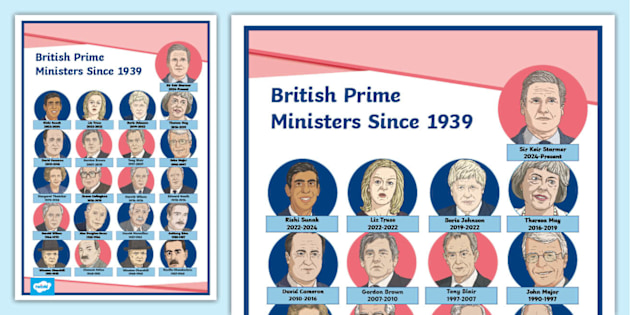
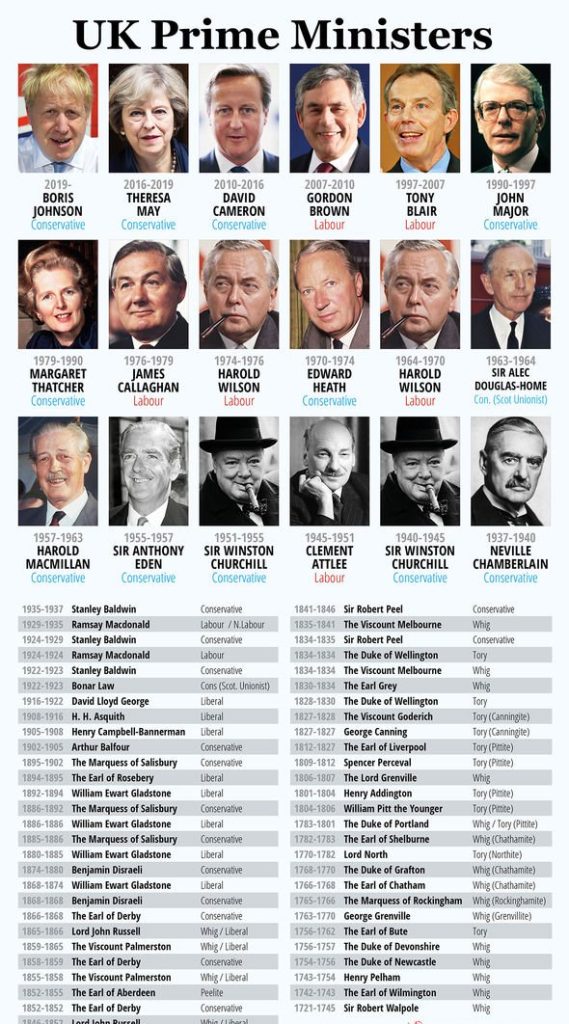
Since David Cameron’s resignation in July 2016, the UK has been led by five further prime ministers: Theresa May (2016–2019), Boris Johnson (2019–2022), Liz Truss (2022, for just 49 days — the shortest tenure in British history), Rishi Sunak (2022–2024), and Keir Starmer (since July 2024). If Starmer steps down as currently expected, he would be the sixth leadership change in under a decade. For comparison, the United States has had three presidents and Germany three chancellors over the same period.
Why the system allows it: the UK doesn’t elect a president
The single biggest structural reason is that British voters never directly elect a prime minister. The role belongs to whoever can command the confidence of the House of Commons — in practice, the leader of the largest party. That means a party can remove and replace its prime minister entirely through internal mechanisms, without a general election and without the public having any direct say. Boris Johnson and Liz Truss were both forced out by pressure from their own MPs and party structures, not by voters at the ballot box.
This is structurally different from a presidential system like the United States, where the head of government is elected directly for a fixed term and can only be removed through impeachment or death. In the UK, a change of prime minister is, constitutionally, just a change of party leader who happens to also run the government.
Why Labour’s rules made the Starmer situation slower to unfold
Not every party makes leadership change equally easy. The Conservative Party’s so-called 1922 Committee can trigger a confidence vote relatively quickly, which is part of why Johnson and Truss fell so fast. Labour’s internal rules are more rigid: a serious leadership challenger must already be a sitting MP. That single rule is the reason Andy Burnham, the Greater Manchester mayor widely seen as Starmer’s most likely successor, could not move against him directly — he first needed a parliamentary seat. The vacancy was created when Makerfield MP Josh Simons resigned specifically to let Burnham contest the seat, which Burnham won decisively on 18 June 2026. For the full story of how that pressure built and who Burnham is, see TodayWhy’s coverage on why Starmer is under pressure to resign and who Andy Burnham is.
Brexit: the fault line that started the modern era of churn
The current run of short-lived premierships traces back to a single event: the 2016 Brexit referendum. David Cameron resigned the morning after the result because he had campaigned to remain in the EU and lost. Theresa May then spent three years trying and failing to get a withdrawal agreement through a fractured Parliament before resigning in 2019. Boris Johnson won a large majority on a promise to “get Brexit done,” but his premiership later collapsed under a wave of ethics scandals, not Brexit itself. Brexit didn’t just trigger one resignation — it permanently weakened party discipline by splitting both major parties into rival factions that have never fully reunified.
A fragile economy lowers the threshold for revolt
A second, reinforcing factor is economic. Persistent low growth, a cost-of-living crisis, and strained public services have meant that British prime ministers since 2016 have rarely had a financial buffer to absorb mistakes. Liz Truss’s fall is the starkest example: her September 2022 mini-budget triggered a bond market crisis severe enough to force her resignation within weeks. Starmer’s own situation follows the same pattern — Labour’s heavy losses in the May 2026 local elections, where the party lost more than 1,100 council seats while Nigel Farage’s Reform UK surged, hardened backbench MPs’ belief that change was necessary before economic discontent cost the party the next general election.
Is this likely to continue?
There’s no constitutional fix on the horizon. The mechanisms that make rapid leadership change possible — no direct election of the prime minister, internal party confidence mechanisms, and a fragmented post-Brexit party landscape with Reform UK and the Greens pulling votes from both flanks — are all still in place. Political scientists generally point to one stabilizing factor: a prime minister who wins a large, fresh general election mandate (as Starmer did in 2024, and as Johnson did in 2019) typically buys a longer grace period than one who inherited the job mid-term, as May, Truss, and Sunak all did. Starmer’s case suggests even a large mandate isn’t enough to guarantee stability if a government’s economic delivery falls short.
What happens next: the Labour leadership timeline
Starmer’s resignation triggered an automatic Labour leadership contest. Candidates need backing from at least 81 MPs (20% of the parliamentary party) to stand. Andy Burnham is currently the only declared candidate, and former Health Secretary Wes Streeting has endorsed him rather than run himself. If no rival emerges, Burnham could be sworn in as prime minister as early as 17 July 2026. If the contest is challenged, party members vote in August, with a result announced on 29 August — in time for the new leader to take over before Parliament returns from recess on 1 September.
Frequently Asked Questions
How many UK prime ministers have there been since 2016?
Five, not counting a potential further change: Theresa May, Boris Johnson, Liz Truss, Rishi Sunak, and Keir Starmer.
Why can the UK change prime ministers without a general election?
Because the prime minister is not directly elected by voters. The role goes to whoever leads the party that can command a majority in the House of Commons, so a change of party leader is constitutionally enough to change the prime minister.
Was Brexit the main cause of the UK’s leadership instability?
It was the starting point. The 2016 referendum forced out David Cameron and consumed Theresa May’s premiership, and it split both major parties into factions whose divisions outlasted the Brexit process itself.
Who was the shortest-serving UK prime minister?
Liz Truss, who served 49 days in 2022 before resigning after her mini-budget triggered a market crisis.
Does the Labour Party remove leaders the same way as the Conservatives?
No. The Conservative Party’s 1922 Committee can trigger a relatively fast confidence vote. Labour’s rules require any serious challenger to already hold a parliamentary seat, which slows down leadership change considerably.
Is Keir Starmer confirmed to have resigned?
Yes. Starmer confirmed his resignation as Labour leader and prime minister on 22 June 2026, informing King Charles III of his decision. He remains in post as caretaker prime minister until a successor is chosen. Nominations for the new Labour leader open on 9 July and close on 16 July; if Andy Burnham runs unopposed, he could become prime minister around 17 July. If the contest is challenged, a winner will be announced by 29 August.