
Last Updated on 6 months ago by TodayWhy Editorial
Learn about hantavirus symptoms, from early flu-like signs to life-threatening respiratory distress. Understand the two stages of HPS, how it spreads, and when to seek emergency care.
What Is Hantavirus?
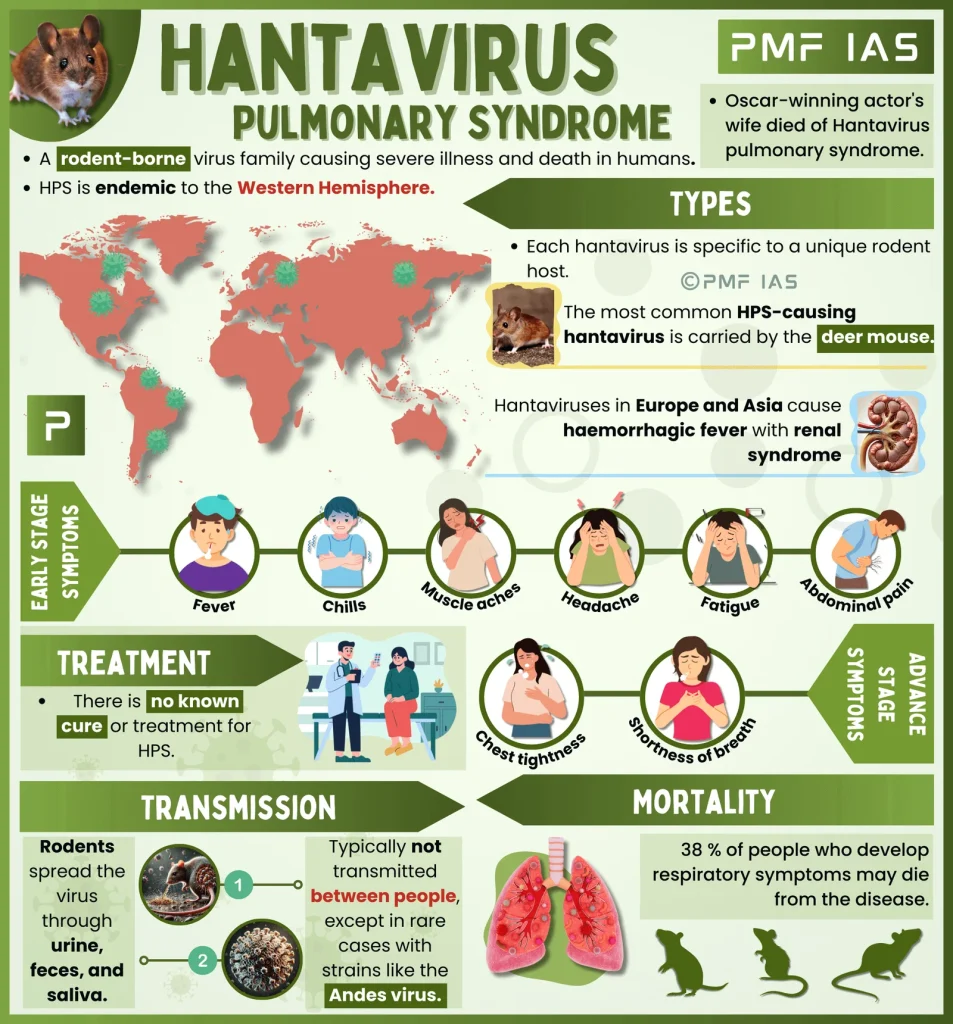
Hantavirus is a group of viruses transmitted primarily through contact with infected rodents — particularly through inhaling airborne particles from rodent urine, droppings, or saliva. While relatively uncommon globally, hantavirus infections can be deadly, especially the strains found in the Americas.
There are two main diseases caused by hantaviruses:
- Hantavirus Pulmonary Syndrome (HPS) — the form found in North and South America, which severely affects the lungs and heart
- Hemorrhagic Fever with Renal Syndrome (HFRS) — the form predominant in Europe and Asia, which primarily damages the kidneys and blood vessels
Understanding hantavirus symptoms early is critical: without prompt medical care, HPS carries a fatality rate of up to 38–50% in severe cases.
How Does Hantavirus Spread?
Most people contract hantavirus by breathing in aerosolized particles from infected rodent excrement. The most common carrier in North America is the deer mouse. Other routes include:
- Direct contact with rodent urine, droppings, or saliva
- Bites from an infected rodent
- Touching contaminated surfaces and then touching your face
Important: Almost all hantavirus strains do not spread person-to-person. The one exception is the Andes virus (found in South America), which can spread through very close contact with an infected person.
Hantavirus Symptoms: Two Distinct Stages
⏱ Incubation Period
After exposure to the virus, symptoms typically appear within 1 to 8 weeks, though the most common range is 2 to 3 weeks. In rare cases, it may take up to 8 weeks for symptoms to develop.
Early symptoms closely resemble those of influenza, making early diagnosis challenging.
Stage 1: Early Symptoms (Days 1–5)
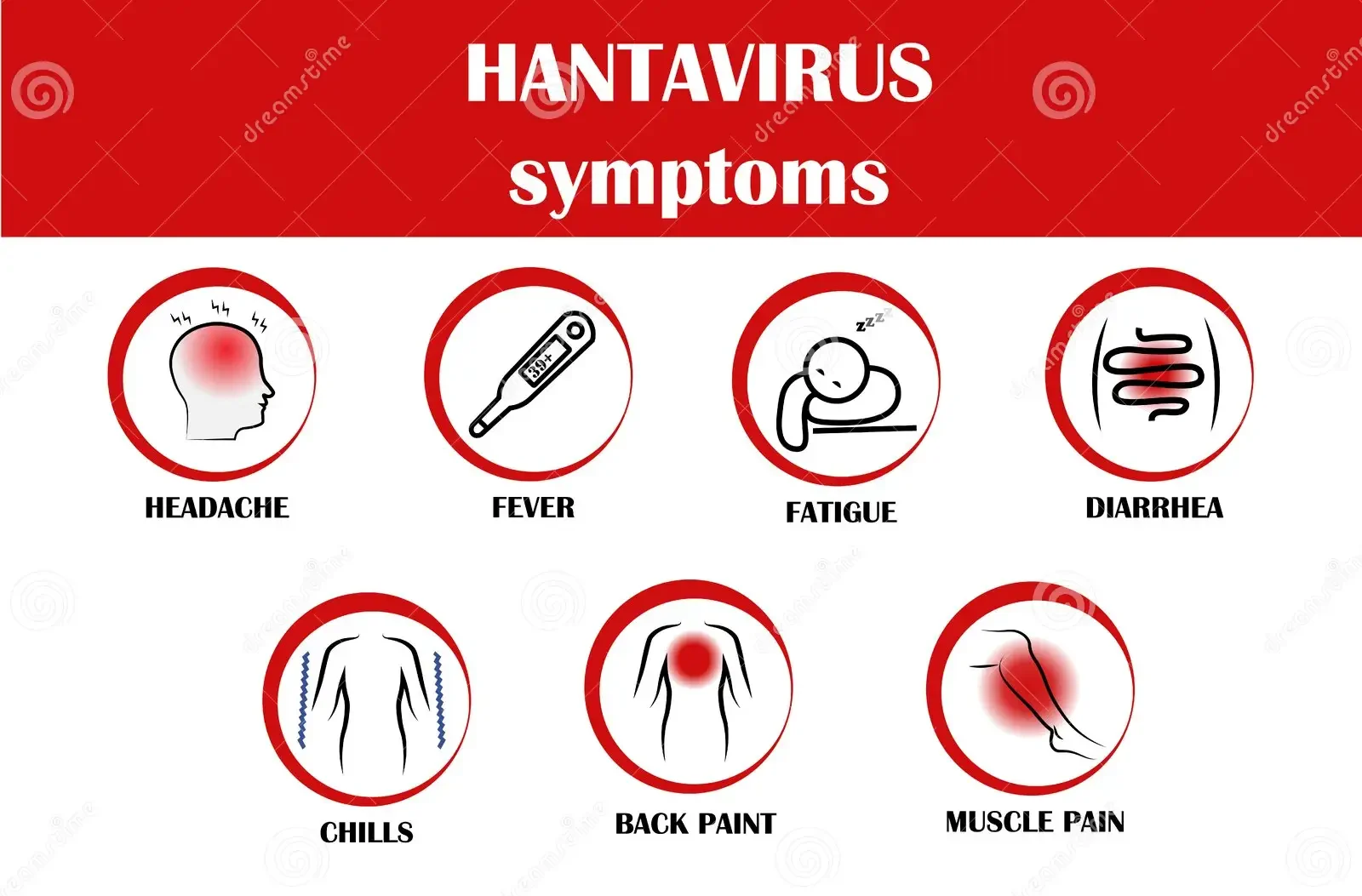
The first phase of HPS is characterized by non-specific, flu-like symptoms that can last several days. These include:
| Symptom | Notes |
|---|---|
| Fever | Often high (above 38.5°C / 101.3°F) |
| Fatigue | Profound tiredness and weakness |
| Muscle aches | Especially in the thighs, hips, back, and shoulders |
| Headaches | Present in about half of all patients |
| Dizziness | May accompany fever |
| Chills | Common early sign |
| Nausea | Gastrointestinal involvement is common |
| Vomiting | Affects about half of patients |
| Diarrhea | Abdominal pain may also occur |
| Abdominal pain | Often reported in early stage |
⚠️ Warning: Because these symptoms so closely mimic the flu, many patients delay seeking care. If you’ve had any recent exposure to rodents and develop these symptoms, see a doctor immediately and mention the potential exposure.
Stage 2: Late Symptoms — The Critical Phase (Days 4–10)
This is where hantavirus becomes life-threatening. Four to ten days after the initial symptoms, the disease can progress rapidly into severe cardiopulmonary distress. Late symptoms include:
- Coughing — often dry or with phlegm
- Shortness of breath — the lungs begin to fill with fluid (pulmonary edema)
- Difficulty breathing — may escalate to respiratory failure
- Low blood pressure — the heart is increasingly compromised
- Rapid heart rate — as the cardiovascular system struggles
At this point, hantavirus invades the tiny blood vessels (capillaries) in the lungs, causing them to leak fluid. This leads to pulmonary edema and can result in acute respiratory distress syndrome (ARDS).
🚨 Medical Emergency: If you or someone around you develops progressive breathing difficulty after flu-like symptoms — call emergency services immediately. Without treatment in an ICU, most HPS deaths occur within 24 to 48 hours of cardiopulmonary onset.
Hemorrhagic Fever with Renal Syndrome (HFRS) Symptoms
HFRS — the form more common in Europe and Asia — presents differently from HPS. Symptoms develop within 1 to 2 weeks of exposure and include:
Early signs:
- Sudden, intense headache
- Back and abdominal pain
- High fever and chills
- Nausea and vomiting
- Blurred vision
- Facial flushing and red eyes
- Skin rash
Later stage signs:
- Low blood pressure and shock
- Acute kidney failure (reduced or no urine output)
- Internal bleeding
- Severe abdominal and lower back pain
Severity varies by virus strain. Hantaan and Dobrava viruses cause the most severe forms (5–15% fatality), while Puumala virus (common in Scandinavia) tends to produce milder disease with less than 1% fatality.
How Is Hantavirus Diagnosed?
Diagnosing hantavirus in the first 72 hours is difficult, as the virus may not yet be detectable. Doctors use:
- Serological blood tests — detect hantavirus-specific IgM antibodies or a rising level of IgG antibodies
- RT-PCR (Reverse Transcription Polymerase Chain Reaction) — detects viral RNA in the blood during the acute phase
- Chest X-ray or imaging — may show bilateral lung infiltrates (fluid in both lungs)
- Clinical history — recent rodent exposure is a critical diagnostic clue
If early tests come back negative but symptoms persist, repeat testing is recommended 72 hours after symptom onset.
Hantavirus Treatment
There is currently no specific antiviral cure for hantavirus infection. Treatment is supportive, meaning it focuses on managing symptoms and preventing complications:
- Hospitalization — often in an intensive care unit (ICU)
- Oxygen support — supplemental oxygen or mechanical ventilation for respiratory failure
- Fluid management — careful IV hydration
- Blood pressure support — medications to stabilize cardiovascular function
- Dialysis — for HFRS patients with kidney failure
- Rest and monitoring — close clinical observation is essential
The antiviral drug ribavirin has shown some effectiveness for certain HFRS-causing strains but has not been proven effective for HPS.
The earlier a patient receives supportive ICU care, the better the chance of survival.
Who Is at Risk?
Anyone can contract hantavirus, but certain activities and environments increase risk:
- Hikers and campers — sleeping in or near rodent-infested areas
- Rural homeowners — especially those in areas with deer mouse populations
- Farm and agricultural workers — regular exposure to barns and storage areas
- People cleaning old or abandoned buildings — disturbing dust that contains dried rodent waste
- Travelers to endemic areas — South America (Andes virus), rural Asia, and parts of Europe
Even clean-looking homes and cabins can harbor infected rodents. Risk is not limited to dirty or neglected environments.
How to Prevent Hantavirus Infection
Since there is no vaccine, prevention is your best defense:
At Home
- Seal holes and gaps where rodents could enter
- Store food in rodent-proof containers
- Keep woodpiles and debris away from the house
- Use traps to control rodent populations
When Cleaning
- Never dry-sweep areas with rodent droppings — this aerosolizes the virus
- Wet-clean surfaces with a bleach solution (1 part bleach to 9 parts water)
- Wear rubber or plastic gloves, and consider an N95 respirator mask
- Ventilate the area for at least 30 minutes before cleaning
Outdoors
- Avoid sleeping directly on the ground in rodent-prone areas
- Use sealed tents and food containers when camping
- Do not handle dead or live rodents
When to See a Doctor
Seek immediate medical attention if you:
- Have been in contact with rodents or rodent-infested areas and develop flu-like symptoms
- Experience rapidly worsening fatigue, muscle aches, and fever over several days
- Begin coughing or feel shortness of breath after a flu-like illness
- Have traveled to areas with known hantavirus activity (South America, rural Asia, etc.)
Tell your doctor about any possible rodent exposure — this is the most important piece of diagnostic information you can provide.
Key Takeaways
- Hantavirus symptoms start like the flu: fever, fatigue, muscle aches, nausea
- The disease progresses to a critical stage 4–10 days later, with coughing and difficulty breathing
- HPS has a fatality rate of up to 38–50% in severe cases; early ICU care is life-saving
- There is no specific treatment — supportive care is the standard approach
- Prevention centers on avoiding rodent contact and safely cleaning contaminated areas
- Always inform your doctor of rodent exposure if you develop symptoms
Frequently Asked Questions (FAQ)
Q: What are the first signs of hantavirus? The first symptoms are fever, extreme fatigue, and muscle aches — particularly in the thighs, hips, and back. Nausea, vomiting, and headaches are also common. These early signs appear 1–8 weeks after exposure.
Q: How quickly does hantavirus progress? After the initial flu-like phase (days 1–5), the disease can escalate rapidly. Respiratory symptoms may appear just 4–10 days after the first signs, and critical deterioration can occur within 24–48 hours of the cardiopulmonary phase.
Q: Can hantavirus spread between people? Almost no hantavirus strains are transmitted person-to-person. The Andes virus (South America) is the only known exception, and even then, transmission requires close, sustained contact.
Q: Is there a vaccine for hantavirus? No. As of 2026, there is no approved vaccine for hantavirus infection available in most parts of the world.
Q: What is the survival rate for hantavirus? Fatality rates range widely: less than 1% for mild HFRS strains (like Puumala), 5–15% for severe HFRS strains (Hantaan, Dobrava), and up to 38–50% for HPS (Americas). Early hospital care significantly improves outcomes.
This article is for informational purposes only and does not constitute medical advice. If you suspect hantavirus infection, seek emergency medical care immediately.
Sources: CDC (2025–2026), WHO Fact Sheet on Hantavirus, Mayo Clinic, Harvard Health, University of Florida Health Sciences