
Last Updated on 6 months ago by TodayWhy Editorial
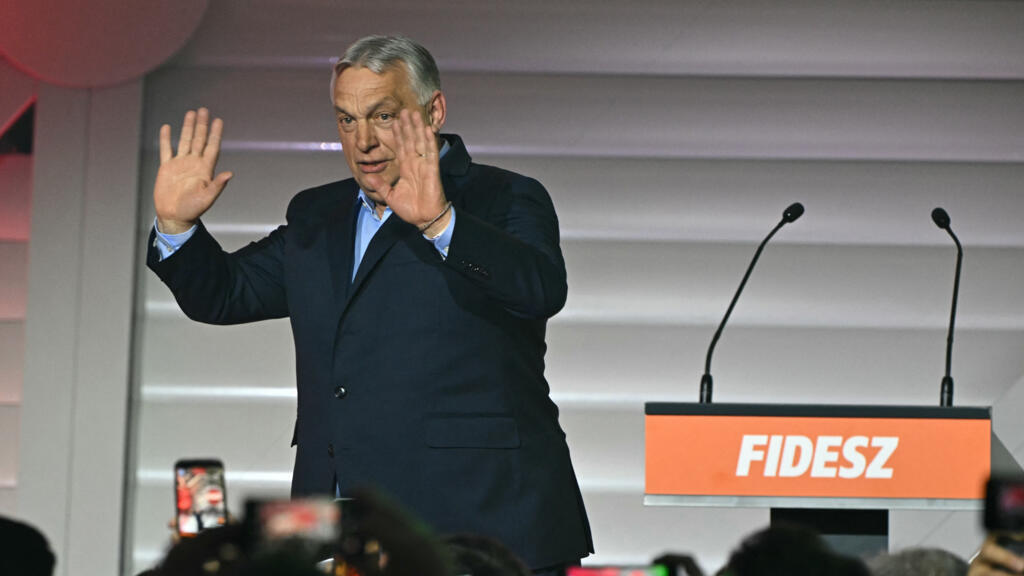
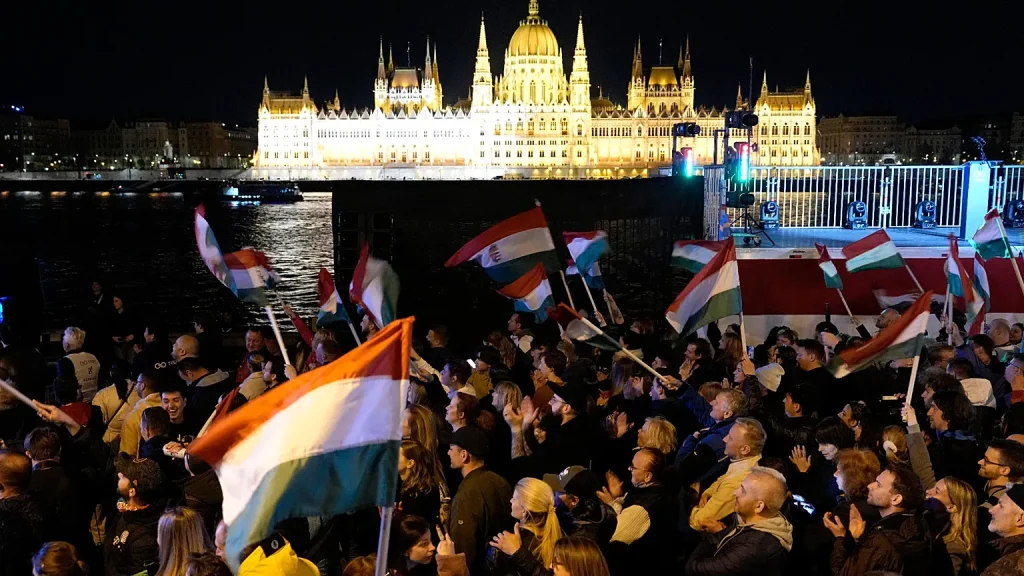
The 2026 Hungarian parliamentary election on April 12 marked a historic turning point. After 16 years of uninterrupted rule, Prime Minister Viktor Orbán and his Fidesz–KDNP alliance suffered a crushing defeat. Péter Magyar’s centre-right Tisza Party secured a landslide victory with a projected supermajority of 138 seats in the 199-seat National Assembly, while Fidesz won only 54.
Voter turnout hit a record 79.42%, reflecting massive public mobilization. Orbán conceded defeat as partial results (over 91% counted) confirmed the outcome. TodayWhy examines the key factors behind Orbán’s failure and Magyar’s success, offering insights for anyone interested in Hungarian politics, European populism, or democratic shifts in Central Europe.
Background: The 2026 Election Context
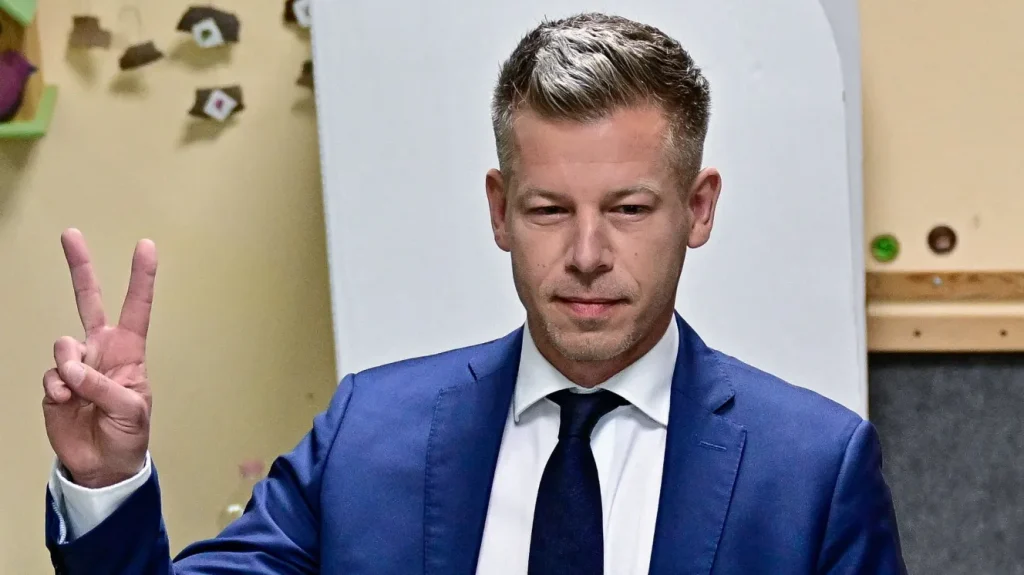
Hungary’s parliamentary elections occur every four years. The 2022 vote gave Fidesz a supermajority despite receiving just over 54% of the vote, thanks to gerrymandering and a mixed electoral system favoring the incumbent.
By 2026, Orbán—Europe’s longest-serving current leader—faced his toughest challenge. His “illiberal democracy” model featured tight control over media, judiciary, and state institutions, alongside close ties to Russia and resistance to EU integration. Key issues included:
- Economic stagnation and rising living costs.
- Allegations of cronyism and corruption.
- Hungary’s role in blocking EU support for Ukraine.
Péter Magyar, a former Fidesz insider, emerged as the credible alternative. His Tisza Party (Tisztelet és Szabadság – Respect and Freedom) transformed from a minor entity into a powerful movement.

The Rise of Péter Magyar: From Insider to Game-Changer
Péter Magyar, a 45-year-old lawyer and former diplomat, once admired Orbán as a child and worked within Fidesz circles. He was married to Judit Varga, Orbán’s former justice minister. His dramatic break came in early 2024 after a presidential pardon scandal involving a convicted child abuse case. Magyar publicly denounced the regime’s hypocrisy in a viral interview that drew millions of viewers.
He revived the dormant Tisza Party and, in the June 2024 European Parliament elections, stunned observers by winning nearly 30% of the vote—Fidesz took 44.8%, but Tisza became the strongest opposition force ever outside Fidesz since 2006.
Magyar’s appeal stemmed from:
- Credibility as an insider — He knew the system’s weaknesses and exposed them without the baggage of fragmented left-liberal parties.
- Charismatic, grassroots campaigning — He built “Tisza islands” (local activist groups) and held massive rallies, including one drawing tens of thousands in Budapest’s Heroes’ Square.
- Broad coalition-building — He refused alliances with the old opposition, pressuring smaller parties to stand down and positioning Tisza as a fresh, centre-right, pro-European alternative.
By late 2025, independent polls showed Tisza consistently ahead. Magyar framed the election as a “now or never” choice between East and West, corruption and clean governance.
Why Viktor Orbán Failed: Key Reasons for the Downfall
Orbán’s defeat ended one of Europe’s most durable populist eras. Several interconnected factors explain the loss:
- Voter Fatigue After 16 Years of Dominance
Long-term incumbency bred resentment. Many Hungarians, especially younger voters who came of age under Orbán, viewed his rule as stagnant. Polls showed widespread desire for change, with some young people threatening to emigrate if he won another term. - Economic Dissatisfaction and Everyday Struggles
Hungary faced an ailing economy, inflation, and housing affordability crises. Voters blamed cronyism—Fidesz-linked oligarchs controlled key assets—and corruption scandals. These domestic pains outweighed Orbán’s nationalist rhetoric. - Foreign Policy Missteps and Pro-Russia Stance
Orbán’s blocking of €90 billion in EU aid to Ukraine, close Putin ties, and perceived drift toward the East alienated pro-EU voters. Leaked audio of officials offering documents to Russia further damaged credibility. International endorsements from Donald Trump and the Kremlin backfired domestically. - Authoritarian Governance and Democratic Backsliding
The EU labeled Hungary a “hybrid regime of electoral autocracy.” Control over media (80% aligned with Fidesz), judiciary, and electoral rules created an uneven playing field. However, record turnout showed voters rejected this model. - The 2024 Scandal Spark and Opposition Unification
The presidential pardon controversy galvanized Magyar’s movement. Unlike previous fragmented opposition efforts (e.g., 2022), Tisza unified anti-Orbán sentiment as a single, credible force.
Despite gerrymandering and government-aligned media, Fidesz could not overcome these headwinds. Government polls showed a tighter race, but independent surveys proved accurate.
Péter Magyar’s Winning Formula: What Made Tisza Unstoppable
Magyar’s success combined strategy, timing, and authenticity:
- Anti-Corruption and Reform Platform — Promises to unlock frozen EU funds (€17+ billion), reform the judiciary, reclaim media control, and dismantle crony foundations resonated deeply.
- Populist Yet Pro-European Messaging — He blended national-conservative tones with strong EU alignment, appealing across the spectrum without alienating centre-right voters.
- Digital and Grassroots Mobilization — Effective use of social media countered state media dominance. High turnout (up nearly 10 points) reflected his ability to energize urban and younger demographics.
- Learning from Past Failures — Magyar studied previous opposition defeats and avoided their pitfalls: no deals with “stupid or traitorous” old parties, and a focus on building a new movement from scratch.
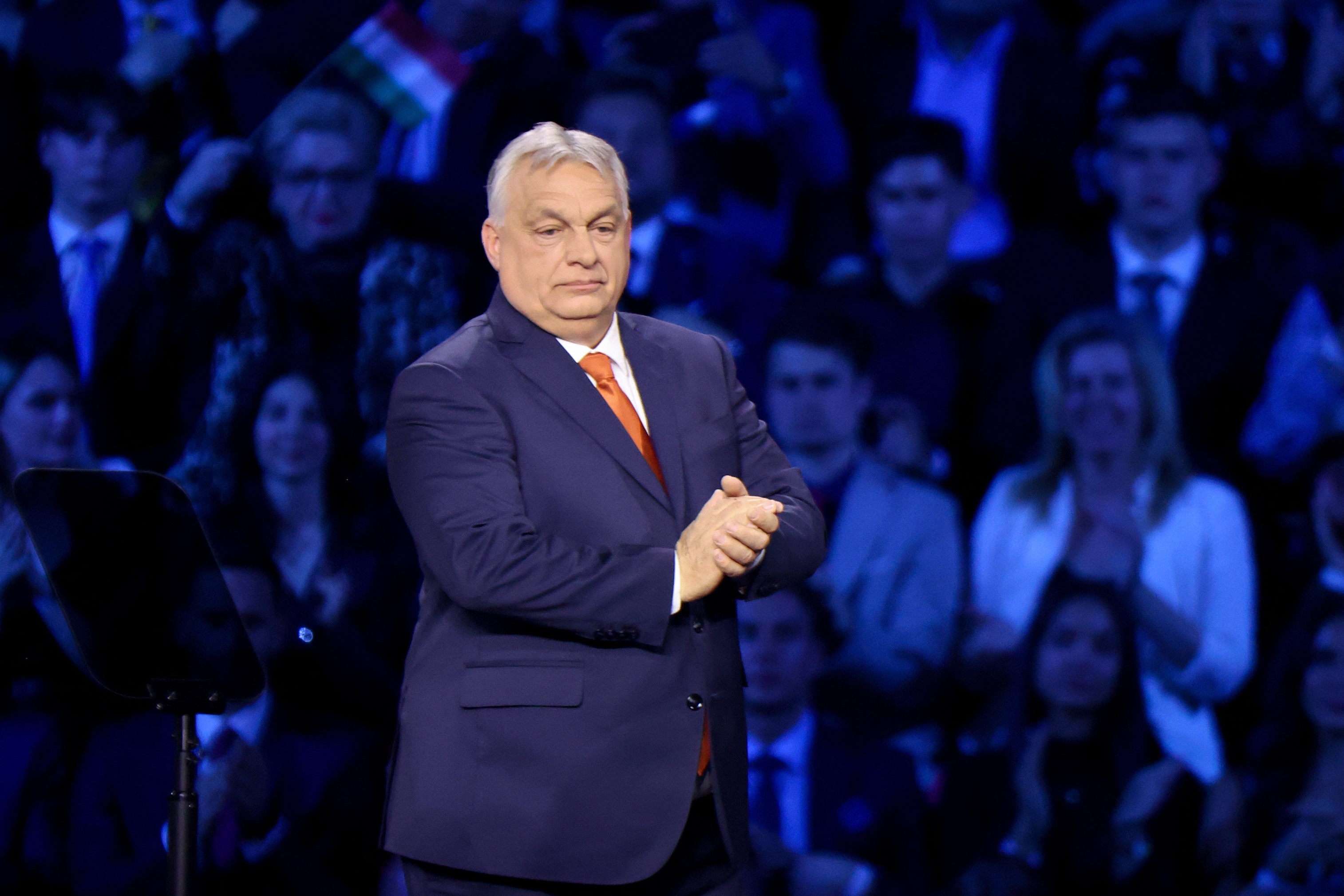
- Personal Leadership — Younger, polished, and confrontational, he outshone the 62-year-old Orbán in charisma and relatability. Polls showed him preferred as prime minister by a wide margin.
Immediate Implications of the 2026 Results
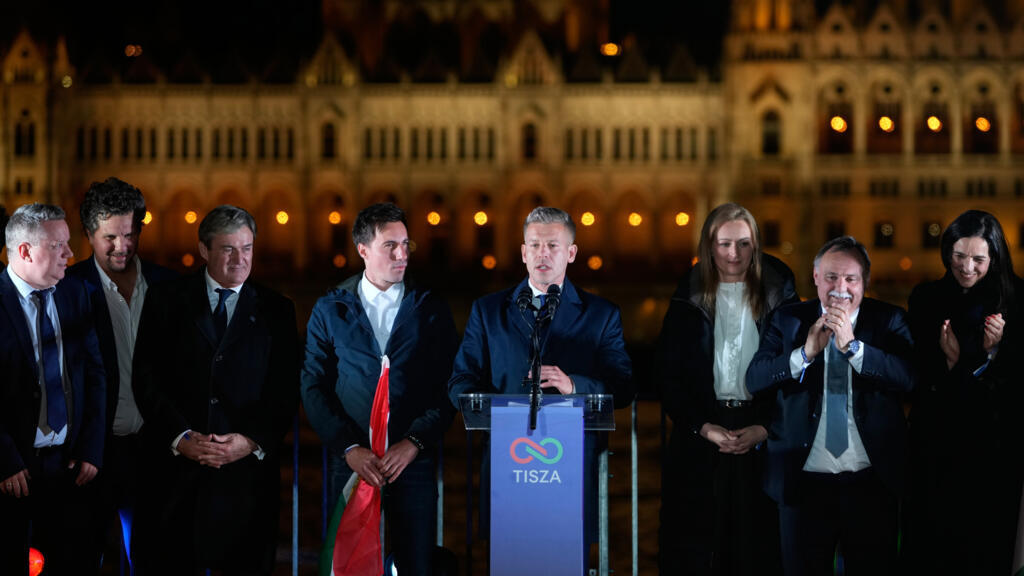
Tisza’s supermajority (two-thirds) gives Magyar sweeping powers:
- Constitutional reforms and institutional cleanup.
- Reversal of media and asset control.
- Reset of EU relations, potentially unlocking billions in funds.
- Shift in foreign policy toward stronger Ukraine support and Western alignment.
The outcome sends shockwaves: a blow to global populist movements, relief in Brussels, and questions for Trump’s allies. Hungary’s voters have chosen change, ending what critics called an “illiberal laboratory.”
Conclusion: A New Chapter for Hungary?
Viktor Orbán’s failure was not inevitable but the result of accumulated grievances—economic pain, corruption fatigue, authoritarian overreach, and foreign policy isolation. Péter Magyar succeeded by offering a credible, insider-driven alternative that unified discontented voters around hope, reform, and European values.
This election proves that even entrenched systems can fall when public will aligns with effective leadership. As Hungary writes a new page in its democratic history, the world watches to see whether Magyar’s Tisza can deliver the “regime change” it promised—or whether Orbán’s legacy proves harder to dismantle than expected.
For ongoing coverage of Hungarian politics, EU affairs, and populist trends, stay tuned. What do you think drove this historic shift? Share your thoughts below.