
Last Updated on 3 months ago by TodayWhy Editorial
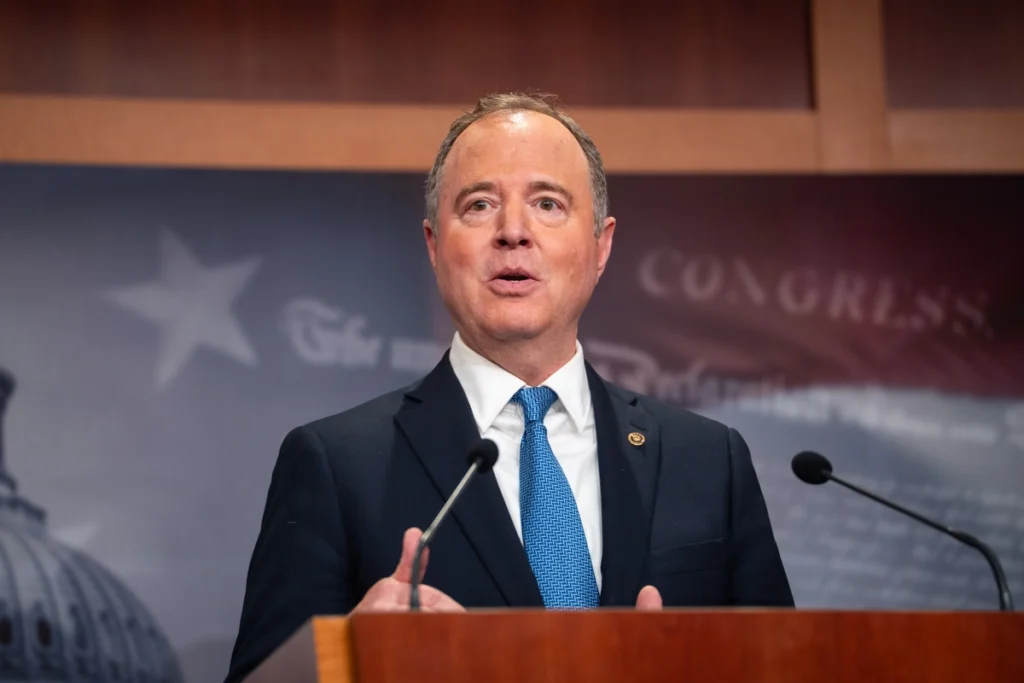
Why did senators introduce the Stop Transnational Repression Act? Because U.S. law has never actually defined the crime it targets. Sens. Adam Schiff (D-CA) and John Curtis (R-UT) introduced the bipartisan bill (S.4967) on July 14, 2026, to create the first federal definition of “transnational repression” and add up to 10 years to prison sentences for foreign agents who threaten, harass, or harm people on U.S. soil.
The bill lands two weeks after China’s new “ethnic unity” law took effect, and Reuters reported Senate staffers confirmed that law was a direct trigger for the legislation. Here’s what the bill would actually do, why it’s arriving now, and how it fits into a broader wave of Congressional action against Beijing’s reach into American communities.
What Would the Stop Transnational Repression Act Actually Do?
The bill amends the federal criminal code to define transnational repression for the first time. It covers any effort by a foreign government’s agent or proxy “to harass, coerce, or threaten a person, including by force or reasonable fear of death,” according to the bill text. Once that definition exists in law, prosecutors gain a sentencing enhancement: anyone convicted of a federal offense involving transnational repression could face up to 10 additional years in prison and a fine of up to $100,000. Supporters say this closes a real gap. Because no legal definition currently exists, the bill argues, law enforcement officials struggle to “identify and address” this kind of conduct in the first place. The legislation was referred to the Senate Judiciary Committee on July 14, where Schiff sits. Curtis serves on the Senate Foreign Relations Committee.
Why Now? China’s Ethnic Unity Law
The immediate trigger was China’s “Promoting Ethnic Unity and Progress Law,” which took effect July 1, 2026. The law bans acts that “undermine ethnic unity” or “incite ethnic divisions” — language the Chinese Communist Party says gives it legal authority to hold organizations and individuals accountable for such acts even when they’re outside China’s borders. Fifty-four human rights and diaspora organizations, including Freedom House and the Committee for Freedom in Hong Kong Foundation, issued a joint statement on July 13 urging governments to strengthen legal protections against the law’s extraterritorial reach. A month earlier, a bipartisan group of senators including Curtis had already introduced a resolution (S.Res.791) condemning the ethnic unity law, with Curtis warning it would give Beijing a “pretext to intimidate critics far beyond China’s borders.”
The Evidence Behind the Bill
The senators aren’t starting from a blank slate. Freedom House’s most recent report names China as the world’s leading perpetrator of transnational repression, documenting 319 cases originating from the country since 2014. Federal prosecutors have already built cases around some of them. Two Chinese men were accused of running a secret police station out of Manhattan on behalf of the Chinese Communist Party; one was convicted in May 2026 of acting as an unregistered foreign agent.
In a separate case in 2024, two Chinese nationals were sentenced for participating in a Beijing-directed bribery scheme aimed at pressuring the IRS to revoke the nonprofit status of Shen Yun Performing Arts, the New York-based dance company. China isn’t the only country named in the bill’s rationale. This year, two men were sentenced to 10 and 15 years in prison for a plot directed by Iran’s government to stalk and kill an Iranian-American human rights activist — a case senators have cited as evidence that the threat extends beyond any single country. The FBI’s Philadelphia office opened the bureau’s first task force dedicated specifically to this threat in January 2025, now coordinating 22 federal, state, local, and community partner agencies.
China’s Response
Beijing rejects the entire premise. Liu Chang, a spokesperson for China’s embassy in Washington, called the underlying concept “completely fabricated,” telling Reuters that the Chinese government “strictly abides by international law and fully respects the law enforcement sovereignty of other countries.” That denial is consistent with China’s long-standing position on similar allegations, including past claims about overseas “police service stations” that Beijing has described as administrative outposts helping citizens renew documents, not surveillance operations.
How This Differs from the Falun Gong Protection Act
This isn’t the only China-focused bill moving through Congress this summer, and it’s easy to confuse it with a different one. TodayWhy has covered S.4009, the Falun Gong and Victims of Forced Organ Harvesting Protection Act, which the Senate Foreign Relations Committee advanced on June 17, 2026.
The two bills are not the same, and they don’t overlap. S.4009 is narrower and sponsored by different senators (Ted Cruz and Jeff Merkley); it targets forced organ harvesting specifically, building a sanctions list against individuals involved and requiring a State Department assessment of whether the practice constitutes an atrocity crime. S.4967, the Stop Transnational Repression Act, is broader. It doesn’t target one form of abuse or one victim group — it creates a general legal definition of transnational repression and a criminal sentencing enhancement that would apply to conduct by agents of any hostile government, not just China. Together, the two bills reflect the same summer of bipartisan momentum against Beijing’s reach into the U.S. — just through different legal tools aimed at different problems.
What Happens Next
Introduction is only the first step. The bill still needs to clear the Senate Judiciary Committee, pass a full Senate vote, pass the House, and receive a presidential signature before it becomes law. Schiff has urged colleagues to “quickly pass” the legislation, but similar past proposals — including a 2023-2024 House version and a separate Senate bill, the Transnational Repression Policy Act — have not yet become law, so timing remains uncertain.
Frequently Asked Questions
What is the Stop Transnational Repression Act?
It’s a bipartisan Senate bill (S.4967), introduced July 14, 2026, by Sens. Adam Schiff (D-CA) and John Curtis (R-UT). It would create the first federal legal definition of transnational repression and add up to 10 years to prison sentences for foreign agents convicted of related federal offenses.
Is this the same as the Falun Gong Protection Act?
No. That’s a separate bill, S.4009, sponsored by different senators and focused specifically on sanctions for forced organ harvesting. The Stop Transnational Repression Act is broader and covers any form of foreign government harassment, intimidation, or violence against people on U.S. soil.
Why was the bill introduced now?
Senate staffers told Reuters that China’s new “ethnic unity” law, which took effect July 1, 2026, was a direct factor. The law claims to give Beijing legal authority over critics of the Chinese government even outside China’s borders.
Has this bill become law yet?
No. As of introduction on July 14, 2026, it has only been referred to the Senate Judiciary Committee. It still needs committee approval, a full Senate vote, House passage, and a presidential signature.