
Last Updated on 5 months ago by TodayWhy Editorial
President Donald Trump has made bold statements about Cuba, including references to a potential “friendly takeover,” “taking Cuba in some form,” and ushering in a “new dawn” for the island nation. These comments, combined with aggressive sanctions and an oil embargo, have sparked intense speculation about U.S. intentions toward Cuba in 2026.
TodayWhy breaks down the reasons behind Trump’s Cuba policy, the historical context, current strategies, and potential implications.
Trump’s Rhetoric: “Taking Cuba” Explained
Trump has repeatedly used provocative language regarding Cuba. In March 2026, he stated he believed he would have “the honor of taking Cuba” and that he could “do anything I want with it,” whether to “free it” or otherwise. Similar remarks followed in April and May 2026, often framing Cuba as the “next” target after operations in Venezuela and Iran.
These statements do not necessarily signal a full military invasion. Instead, they reflect a strategy of maximum pressure aimed at forcing regime change, economic liberalization, or a negotiated “deal” that aligns with U.S. interests. Officials have emphasized removing or sidelining President Miguel Díaz-Canel while pushing for systemic reforms.
Key Reasons Behind Trump’s Cuba Policy
1. National Security and Countering Malign Influence
The Trump administration views the Cuban regime as a threat to U.S. national security. Cuba is accused of:
- Aligning with adversaries like Russia, China, Iran, and supporting groups such as Hamas and Hezbollah.
- Acting as a state sponsor of terrorism.
- Undermining regional stability in Latin America.
An executive order in January 2026 declared a national emergency regarding Cuba, enabling new sanctions and tariffs on countries supplying oil to the island.
2. Humanitarian and Economic Crisis as Leverage
U.S. actions, including blocking Venezuelan oil shipments after the U.S. intervention in Venezuela, have exacerbated Cuba’s energy shortages, leading to widespread blackouts, fuel crises, and economic hardship. Trump sees this as accelerating the regime’s collapse or forcing concessions.
The goal is to pressure Cuba into dramatic political and economic changes, as Secretary of State Marco Rubio has stated that Cuba’s system “doesn’t work” and must change.
3. Support for Cuban-Americans and Anti-Communist Stance
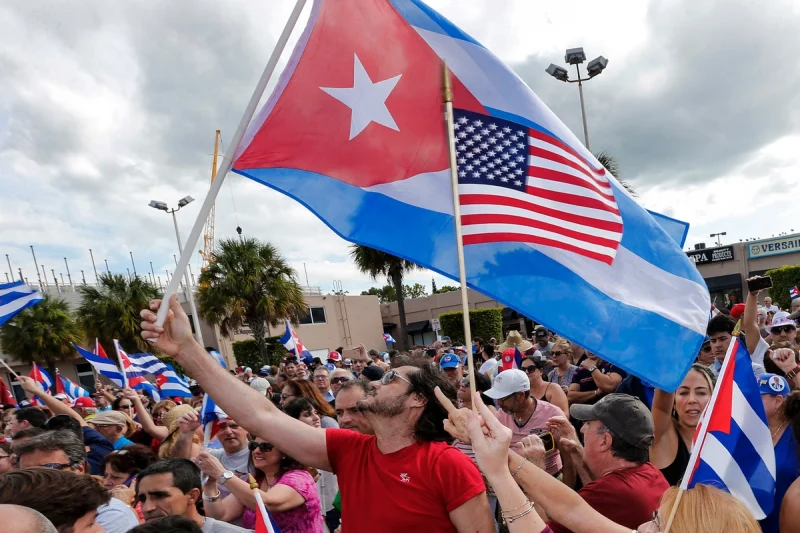
Trump draws strong support from the Cuban-American community in Florida. His policy reverses more conciliatory approaches (like parts of the Obama era) and fulfills promises to crack down on the communist regime, which many exiles view as repressive.
4. Broader “America First” Foreign Policy
Following successes (or perceived successes) in Venezuela and amid the Iran conflict, Cuba fits into a pattern of assertive U.S. action against hostile regimes in the Western Hemisphere. Trump has framed it as finishing the job of promoting freedom in the region.
5. Economic Opportunities
A “friendly takeover” or major deal could open Cuba to U.S. investment, resolve property claims from the 1959 revolution, and boost American businesses in tourism, energy, and mining.
Tools of Pressure: Sanctions and Diplomacy
- Oil Embargo and Secondary Sanctions — Recent executive orders target foreign entities doing business with Cuba in key sectors, aiming to isolate the regime economically.
- Negotiations — Despite tough talk, the U.S. is engaged in talks with Cuba on issues like prisoner releases, economic reforms, and political openings. Some reports suggest deadlines for gestures of good faith.
- Travel and Financial Restrictions — Tightened rules on travel and remittances.
Historical Context
U.S.-Cuba relations have been hostile since Fidel Castro’s 1959 revolution. Key moments include the Bay of Pigs invasion (1961), the Cuban Missile Crisis (1962), and decades of embargo. Trump previously tightened policies in his first term. The current approach builds on this legacy but leverages Cuba’s current vulnerabilities.
Potential Outcomes and Implications
Possible Scenarios:
- Regime Collapse or Major Reforms: Economic pain leads to leadership changes and liberalization.
- Negotiated Deal: Cuba agrees to reforms in exchange for sanctions relief and investment.
- Prolonged Stalemate: Cuba resists with support from allies like Russia or China.
- Military Options: Discussed in theory but considered highly risky and not the primary focus.
Impacts:
- On Cuba: Deepening humanitarian crisis but potential for long-term change.
- On the U.S.: Strengthened regional influence, political wins domestically, but risks of migration surges or instability.
- Regionally: Signals to other leftist governments in Latin America.
Conclusion: Maximum Pressure for a “New Dawn”?
Trump’s approach to Cuba combines economic coercion, diplomatic maneuvering, and bold rhetoric to achieve what previous policies have not: fundamental change on the island. Whether this leads to a peaceful transition, a deal, or further confrontation remains to be seen as talks continue and pressure mounts.
For now, the policy reflects a core belief that the Cuban regime is unsustainable and that U.S. leverage can accelerate its end or transformation. Observers will watch closely for the next developments in this high-stakes chapter of U.S.-Cuba relations.
This is a rapidly evolving situation. Policies and statements can shift based on negotiations and ground conditions.