
Last Updated on 5 months ago by TodayWhy Editorial
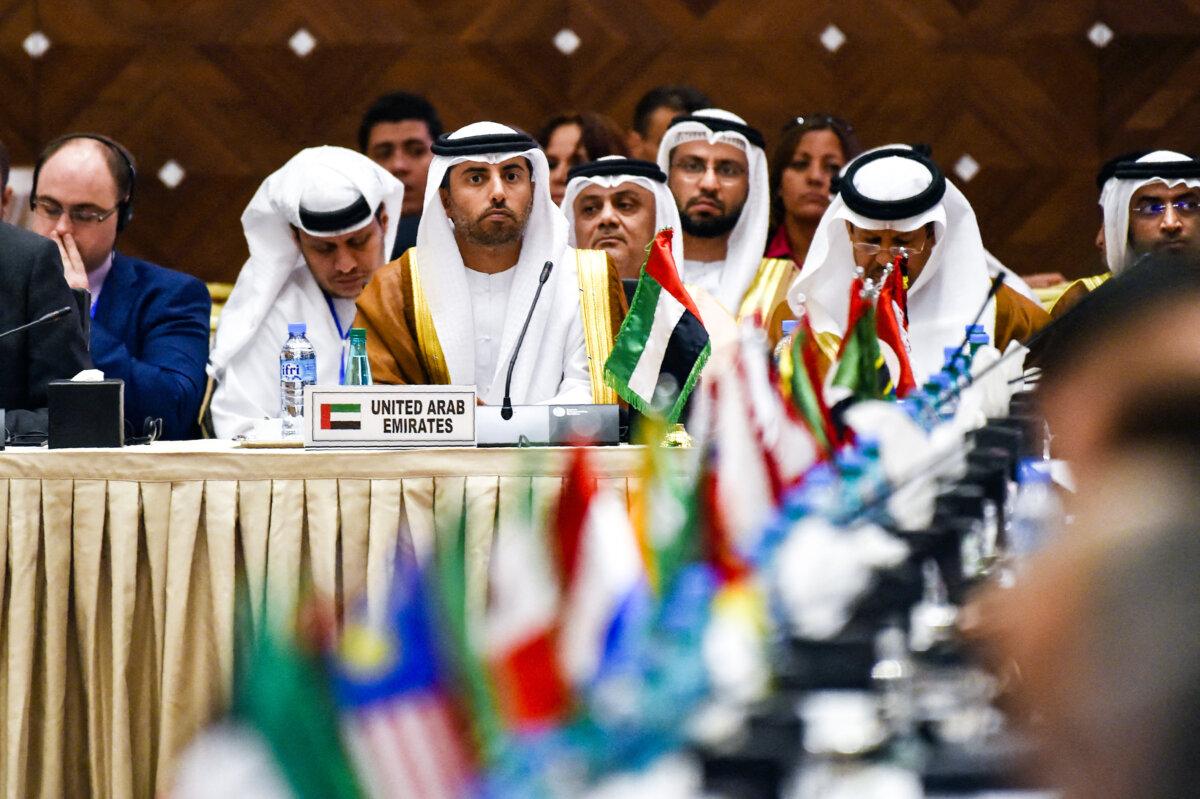
The United Arab Emirates (UAE) has announced its departure from the Organization of the Petroleum Exporting Countries (OPEC) and the broader OPEC+ alliance, effective May 1, 2026, after nearly 60 years of membership since joining in 1967. This move represents a significant blow to the oil cartel, particularly its de facto leader Saudi Arabia, and signals a new era of independent energy policy for one of the world’s top oil producers.
UAE Energy Minister Suhail Al Mazrouei emphasized that the decision allows the country to respond more flexibly to global energy demand without constraints from any group. “The world needs more energy, the world needs more resources, and the UAE wanted to be unconstrained by any groups,” he stated.
What is OPEC and OPEC+?
OPEC is a cartel founded in 1960 to coordinate petroleum policies among member countries, aiming to stabilize oil markets and influence prices through production quotas. Saudi Arabia traditionally holds the most sway as the largest producer with significant spare capacity. OPEC+ expanded this in 2016 by including non-OPEC producers like Russia to manage global supply more effectively.
The UAE, with substantial oil reserves (over 100 billion barrels) and production capacity around 4.8–5 million barrels per day (bpd), has long been a key player. However, it has frequently chafed under production limits that capped its output at roughly 3–3.5 million bpd, despite heavy investments in expanding infrastructure.
Main Reasons Why the UAE is Leaving OPEC
The exit stems from a combination of long-standing economic frustrations and recent geopolitical developments:
- Production Quotas and Lost Revenue Opportunities
The UAE has invested heavily (around $150 billion in recent years) to boost its oil production capacity toward 5 million bpd by 2027. OPEC+ quotas, often influenced heavily by Saudi priorities, restricted the UAE from fully utilizing this capacity. Officials argued that these limits disproportionately burdened the UAE, forcing it to forgo potential revenues while other members sometimes overproduced. Leaving OPEC frees Abu Dhabi to pump more in line with market demand and its national development goals. - National Interest and Economic Diversification
The UAE’s economy is more diversified than many OPEC peers, with massive sovereign wealth funds tied to global growth rather than solely oil prices. Prioritizing “national interests” means maximizing oil sales now to fund its transition toward a post-oil future, including investments in renewables, tourism, finance, and technology. By exiting, the UAE can align production with customer needs (e.g., major Asian importers like China and India) and its own long-term vision. - Geopolitical Tensions and Rift with Saudi Arabia
Relations between the UAE and Saudi Arabia have cooled over issues like the Yemen conflict (where the two have backed different factions), regional influence in Africa and the Horn of Africa, and broader foreign policy (including the UAE’s Abraham Accords with Israel). The Saudi-dominated quota system exacerbated these strains. The ongoing Iran war and disruptions in the Strait of Hormuz have further highlighted diverging interests, with the UAE seeking greater autonomy in energy and security matters. - Timing Amid Global Energy Crisis
The decision comes during an unprecedented energy shock caused by the Iran conflict and related closure of key shipping routes. UAE officials believe exiting now minimizes market disruption while positioning the country to ramp up supply once conditions stabilize. This move also reflects preparation for a world of potentially peaking oil demand, where maximizing near-term production becomes critical.
What Happens Next: Impacts on Oil Markets, OPEC, and the Region
- For the UAE: Greater flexibility to increase output (potentially by 1+ million bpd once logistics allow), higher revenues in the short-to-medium term, and stronger bilateral ties with major consumers. The country has alternative export routes, such as pipelines bypassing the Strait of Hormuz, reducing vulnerability.
- For OPEC and OPEC+: A notable weakening of the cartel’s cohesion and market influence. Losing a member with significant spare capacity reduces OPEC’s ability to manage global supply shocks. Analysts describe it as potentially “the beginning of the end” for OPEC as traditionally known, raising questions about whether other dissatisfied members might follow.
- Global Oil Prices and Supply: In the immediate term, the impact may be muted due to current disruptions. Longer term, increased UAE production could exert downward pressure on prices, benefiting consumers but challenging higher-cost producers. It may also improve energy security for Asia.
- Geopolitical Ripple Effects: The exit widens the rift in Gulf cooperation and could lead to more competitive dynamics between Saudi Arabia and the UAE. It has been viewed positively by some, including U.S. President Donald Trump, as a challenge to cartel power.
Broader Context: The Evolving Energy Landscape
The UAE’s move reflects broader shifts in the global energy sector. As the world transitions toward lower-carbon sources, oil producers with large reserves and spare capacity (like the UAE) are incentivized to monetize assets aggressively now rather than adhere to collective restraint. This “pump now” strategy contrasts with Saudi Arabia’s preference for price stability through managed supply.
The UAE has repeatedly signaled dissatisfaction with baselines and quota calculations in recent years. Its exit follows precedents like Angola (2024), Qatar, and Ecuador, underscoring that OPEC membership is not permanent when national priorities diverge.
Conclusion: A Calculated Bet on Independence
The UAE’s departure from OPEC is not impulsive but the culmination of years of tension over quotas, investment returns, and strategic autonomy. By prioritizing national interests in a changing energy world—especially amid regional conflicts—Abu Dhabi aims to unlock its full production potential and adapt more nimbly to global demand.
While the full market consequences will unfold once shipping routes normalize, this historic step underscores a fragmenting oil cartel and a more competitive, multipolar energy geopolitics. For the UAE, it marks confidence in its diversified economy and ability to thrive independently. For the world, it may mean more oil supply flexibility but greater volatility in an already uncertain market.
This development highlights how even long-standing alliances in energy can shift rapidly when economic realities and geopolitical ambitions no longer align. As the UAE charts its own course, the global oil industry will be watching closely for the next chapter in Gulf energy politics.
This comprehensive analysis draws on recent statements from UAE officials and expert commentary to provide clarity on a fast-evolving story.